
Most people still think blockchains are just ledgers with smart contracts stapled on. That mindset is exactly why Vanar Chain stands out right now. Vanar isn’t chasing headline TPS numbers or meme-level hype. It’s focused on something more structural: making blockchain AI-native, not AI-compatible as an afterthought. That distinction matters more than it sounds.
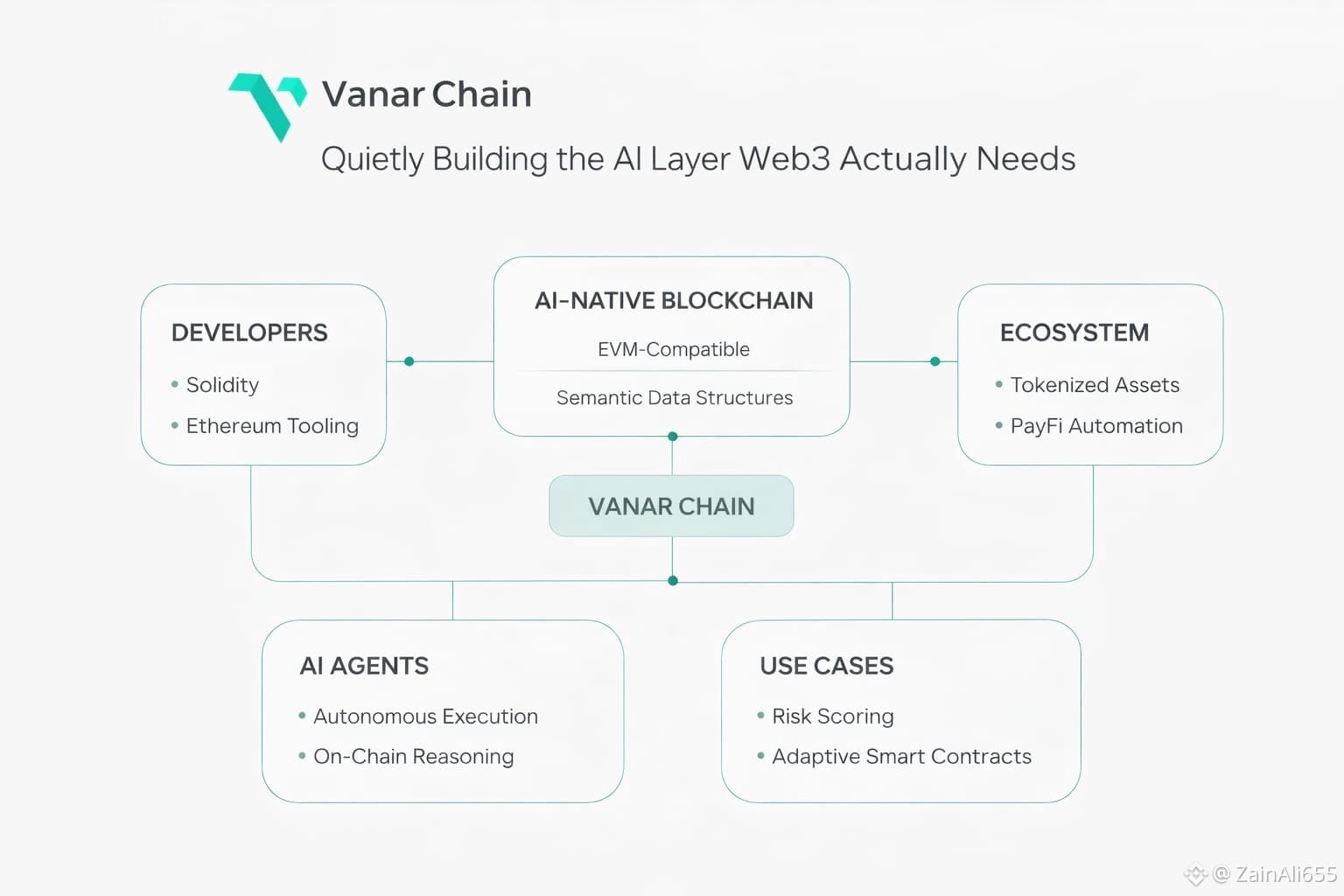
At a technical level, @Vanarchain is EVM-compatible, which means developers don’t have to relearn everything from scratch. Solidity still works. Ethereum tooling still works. That alone removes a massive adoption barrier. But where Vanar gets interesting is how it treats data. Instead of storing raw blobs and leaving interpretation off-chain, Vanar introduces semantic data structures designed for machine reasoning.
In practice, that means AI agents can read, understand, and act on on-chain data without relying heavily on external services. That’s a big deal for things like PayFi automation, risk scoring, or tokenized real-world assets where context and rules actually matter.
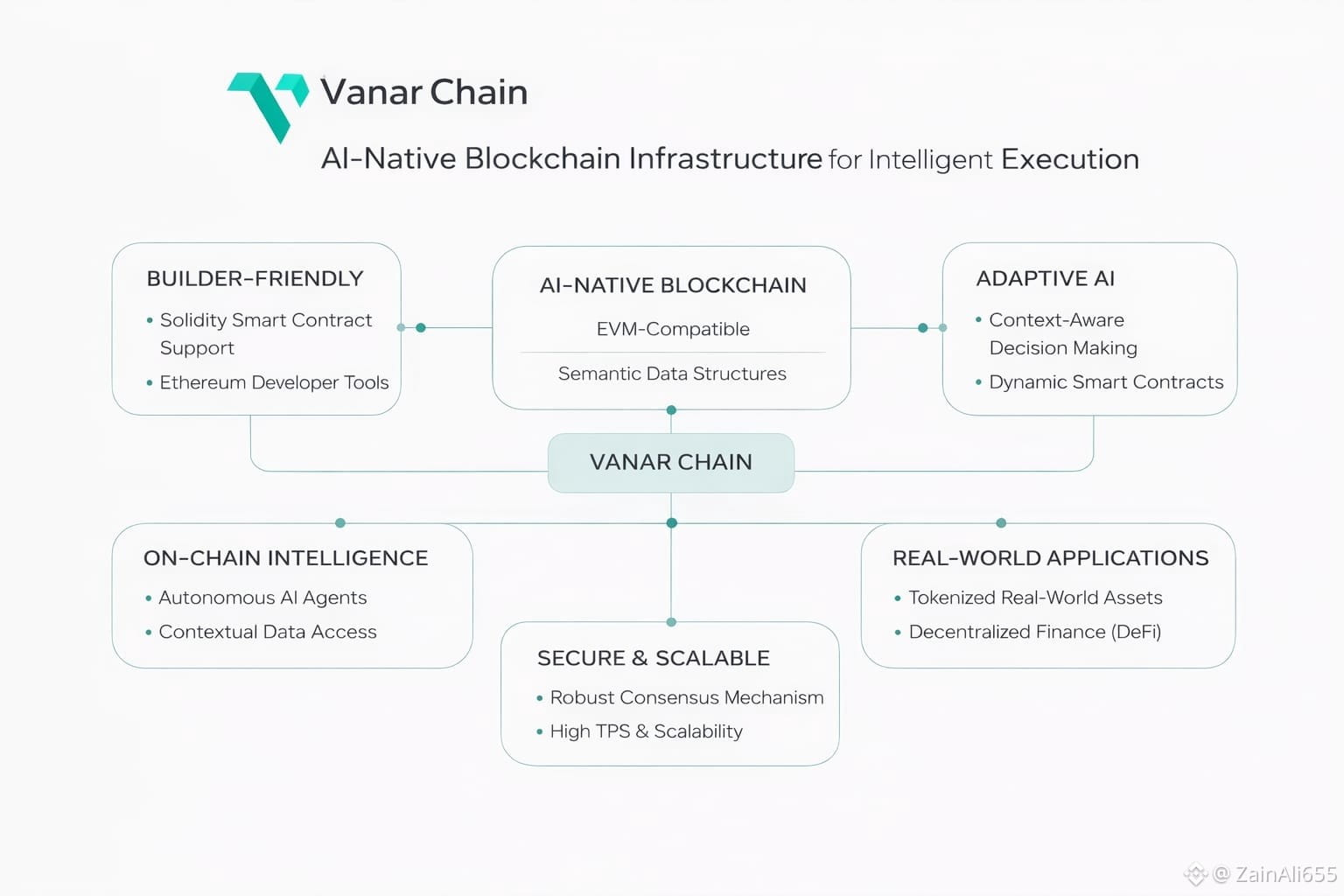
From a market perspective, $VANRY is still flying under the radar. It’s trading at early-stage valuations, with liquidity and price action reflecting a chain that’s still building rather than one already saturated with speculation. That cuts both ways. Upside exists if adoption follows, but volatility is part of the package. Anyone pretending otherwise isn’t being honest.
What is encouraging is ecosystem direction. Vanar has been leaning into builder support, partnerships, and infrastructure tooling instead of flashy marketing. You can see it in how the project talks about use cases. Less “number go up,” more “here’s how intelligent execution actually works.”
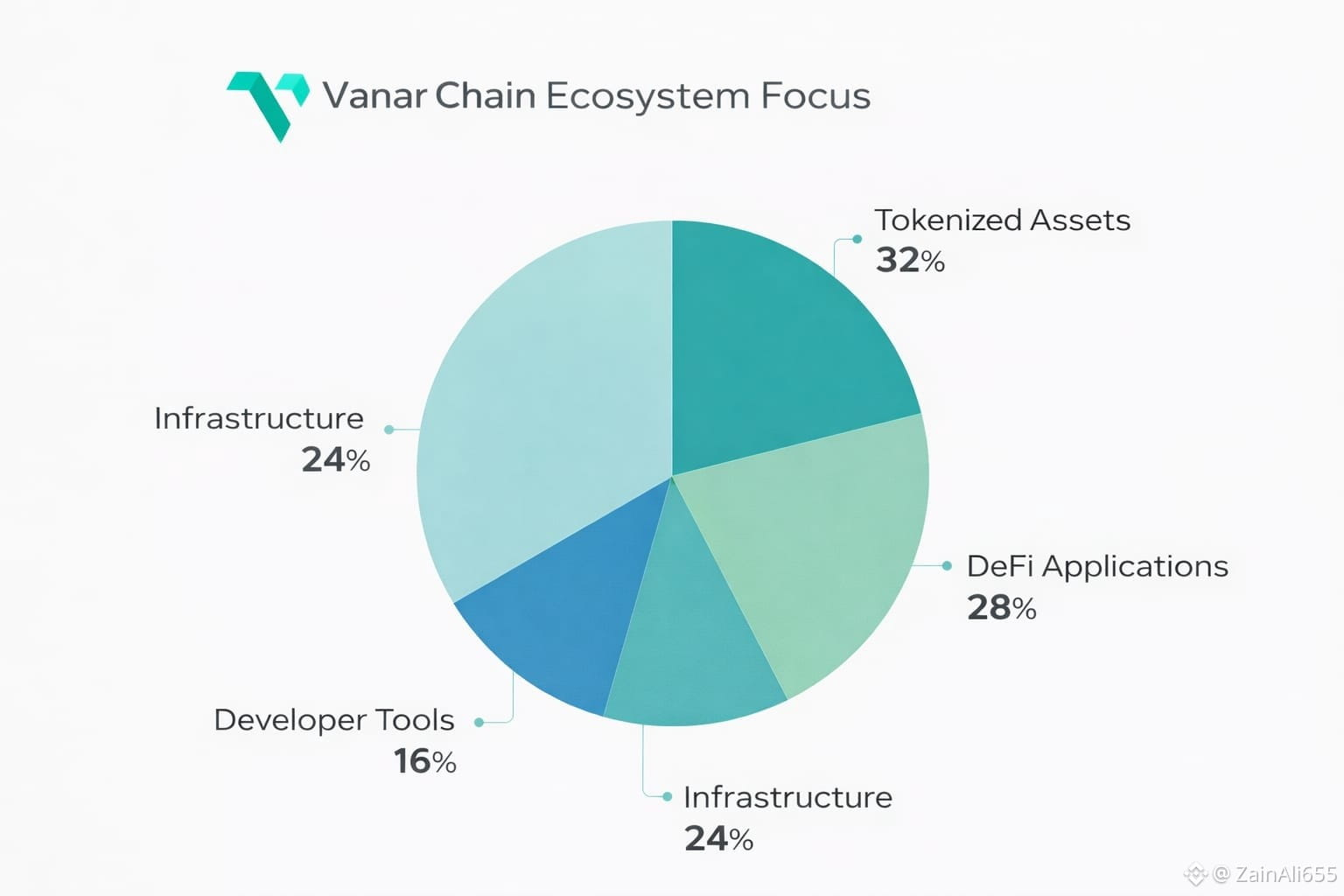
Compare that to many Layer 1s. Ethereum is the settlement backbone. Solana optimizes for speed and consumer apps. Vanar is mark out a lane around adaptive, AI-driven performance, where contracts don’t just follow static if-else logic but evolve based on data and conditions.
Of course, this path isn’t risk-free. AI-native chains face a steeper education curve. Developers need to understand new primitives. Users need real applications before narratives stick. And Vanar still has to prove that these ideas scale in production, not just whitepapers.
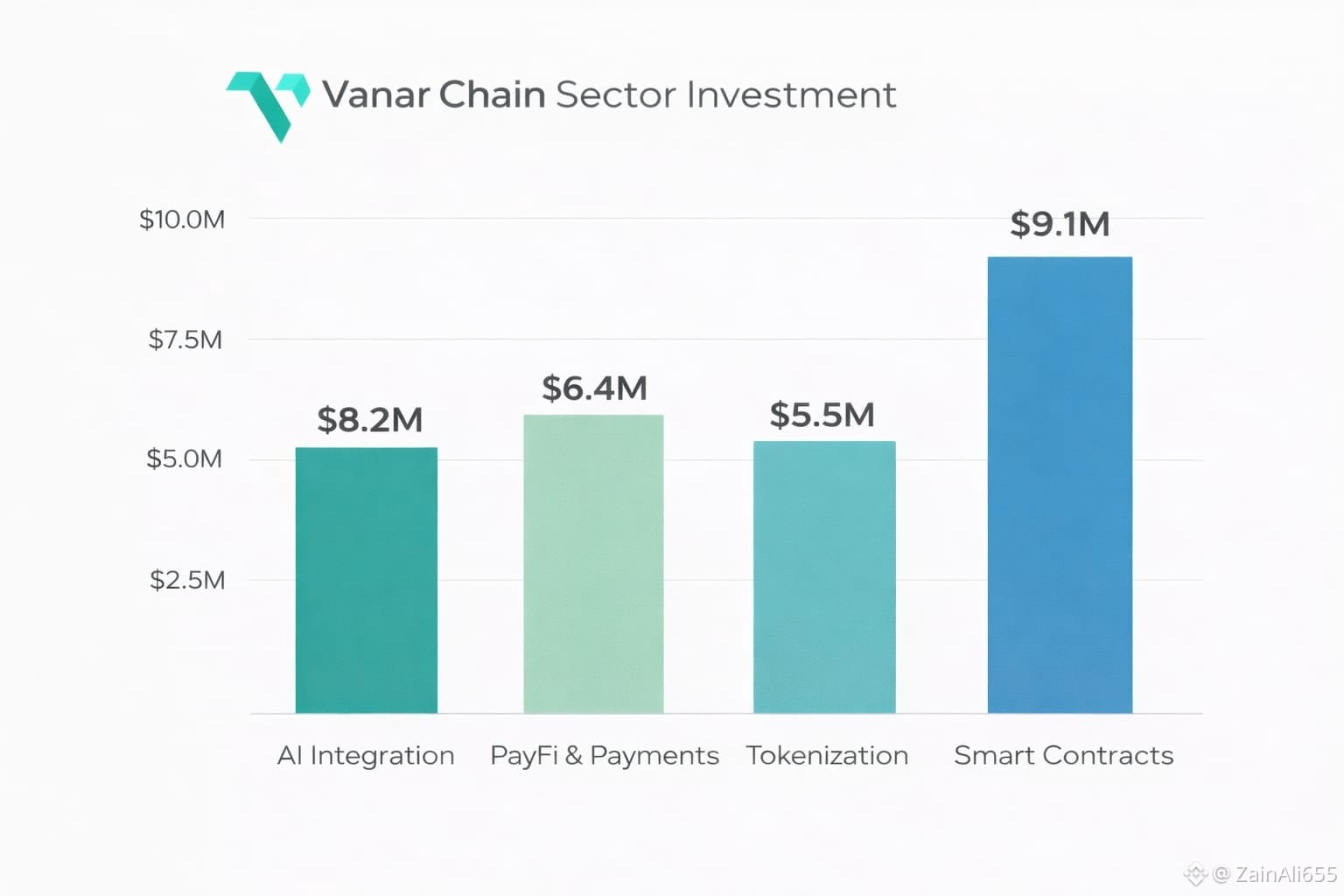
But if the next wave of Web3 apps involves autonomous agents, intelligent payments, and real-world financial logic, chains like Vanar won’t feel optional. They’ll feel necessary. That’s why I keep an eye on #vanar . It’s not the loudest project in the room. But it might be one of the more forward-looking ones.
