
You know, one of the biggest hurdles for bringing traditional finance onto blockchain has always been regulation. Institutions can’t just ignore rules around securities, anti-money laundering, or regional laws like Europe’s MiCA. Dusk Network is designed specifically to address this by embedding compliance directly into its infrastructure, making it a strong candidate for regulated decentralized finance and real-world assets (RWAs).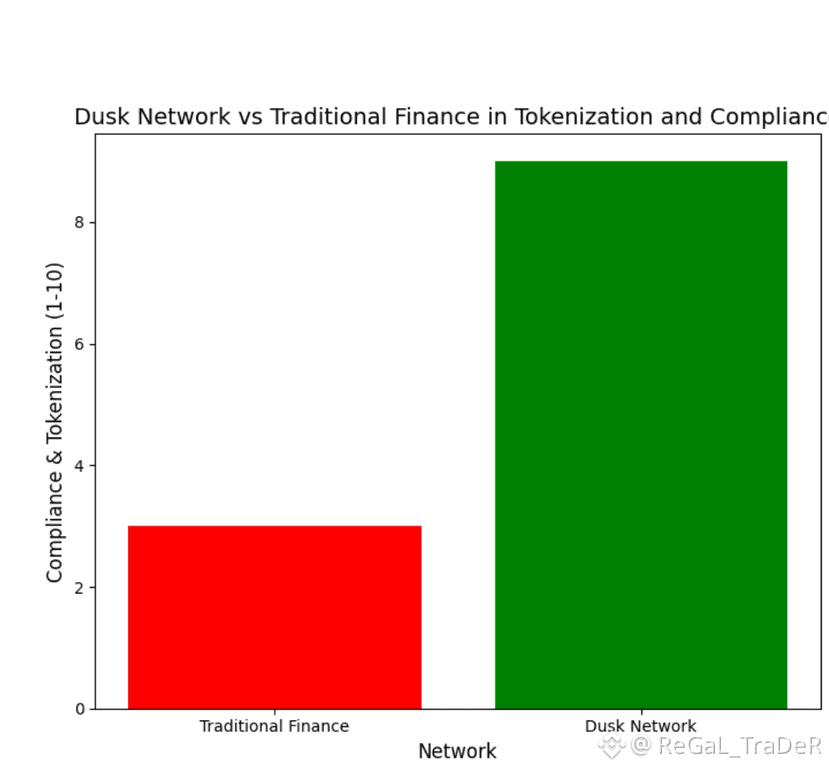
Let’s break it down step by step. Dusk allows issuers to code regulatory checks right into smart contracts – for instance, enforcing KYC/AML rules, investor accreditation, or transfer restrictions automatically. This happens alongside privacy protections, so sensitive compliance data doesn’t have to be fully public. The network supports MiCA, MiFID II, DLT Pilot Regime, and similar frameworks by providing on-chain tools for verification without exposing everything.
A practical example is asset tokenization. Institutions can represent bonds, equities, or funds as tokens on Dusk with built-in compliance. Settlement is near-instant and atomic, reducing counterparty risk and liquidity issues common in legacy systems. No need for multiple custodians; users hold assets in self-custodial wallets while rules are enforced programmatically.
Key partnerships highlight this focus. In November 2025, Dusk teamed up with NPEX, a licensed European exchange managing significant assets, to build regulated RWA trading. More recently, integrating Chainlink’s CCIP, Data Feeds, and Data Streams enables secure cross-chain movement of tokenized securities, real-time compliant data oracles, and composability with other DeFi protocols – all while maintaining issuer controls like rate limits.
This setup benefits everyone: issuers reach global liquidity without fragmenting markets, regulators get verifiable audit trails (via zero-knowledge attestations if needed), and users gain access to diversified assets privately. Dusk’s confidential contracts let businesses automate corporate actions, matching, or clearing privately, then execute transparently where required.
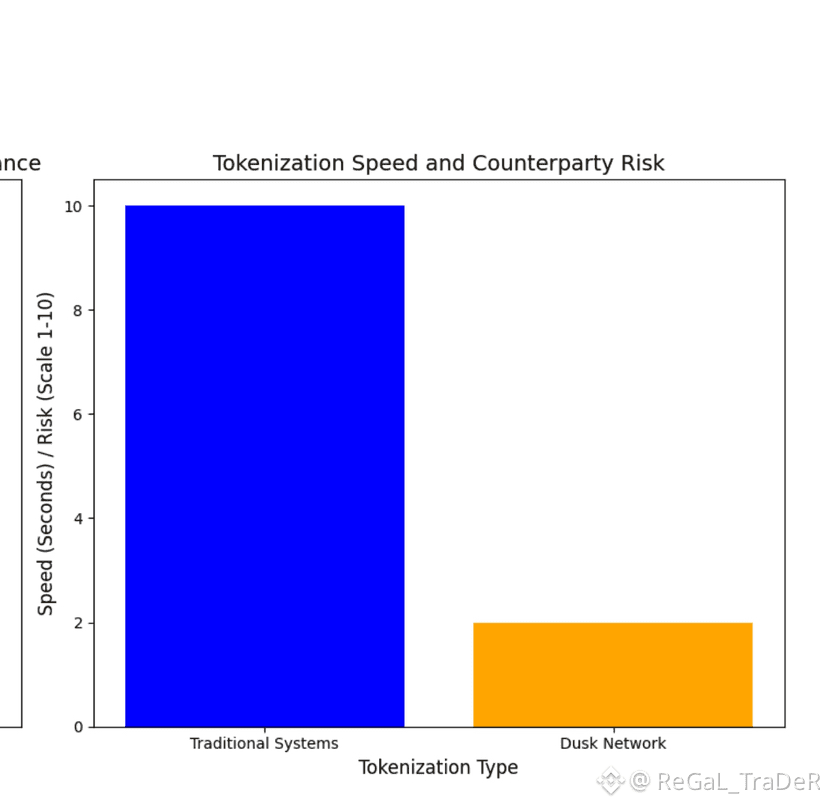
From my perspective, Dusk stands out by treating regulation as a feature, not an obstacle. Many projects chase speed or DeFi yields but overlook that institutions need provable compliance to move billions. By combining privacy, programmability, and compliance tools, Dusk positions itself as infrastructure for the next phase of tokenized markets. It’s a pragmatic path forward in a world where crypto must coexist with existing financial oversight.
