
Speed is among the most often occurring challenges slowing blockchain usage. Slow confirmation times, delayed finality, and erratic responsiveness plague most current blockchains. For end users, this means interfaces that lag, actions that take a long time, and a big difference between how Web3 apps work and how quickly people get feedback on Web2 platforms. This performance difference cannot be overlooked as blockchain uses spread to gaming, entertainment, banking, artificial intelligence, and consumer services. Vanar Chain is meant as a straight reaction to this difficulty.
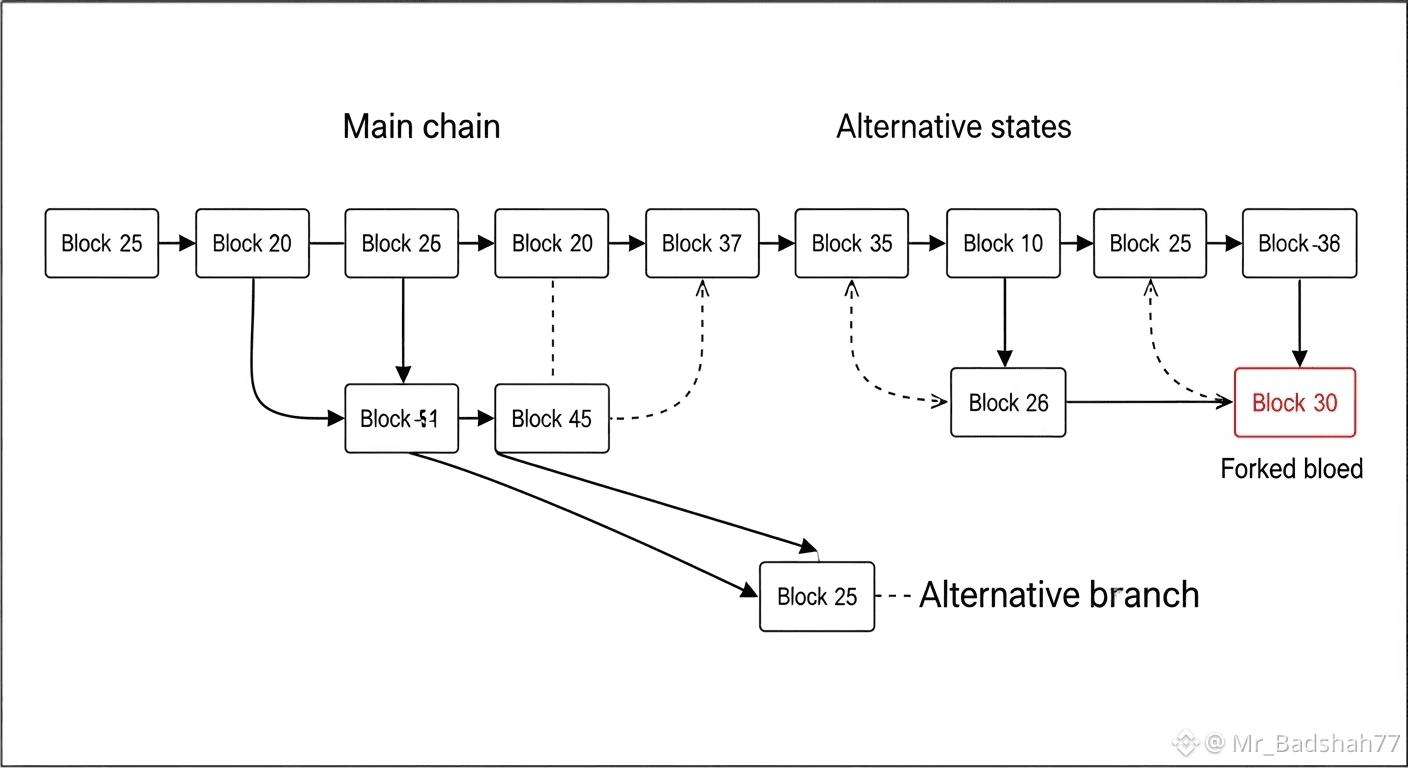
Vanar looks at blockchain performance from the user experience first. Speed is fundamentally incorporated into the protocol rather than seen as a subordinate optimization. The network is built with a maximum block time of three seconds, which guarantees that transactions are quickly and regularly confirmed. This brief block rhythm significantly lowers consumer waiting time, so enabling apps to seem interactive as opposed to transactional. The feedback loop stays tight when consumers click, trade, mint, move assets, or engage with on-chain logic, which produces an experience more like real-time systems than conventional blockchains.
For uses where responsiveness and timing are absolutely essential, this focus on rapid block completion is particularly important. Long confirmation times are unacceptable for games, metaverse settings, AI-driven experiences, and real-time financial systems as they lower user trust. Vanar's design allows these programs to handle many state changes without overloading the network or requiring users to wait through several confirmation loops. The outcome is a blockchain world where, instead of delayed and broken, actions seem quick and seamless.
Vanar also keeps EVM compatibility, which is very important for faster adoption. Developers may move programs, use current tools, and deploy well-known smart contracts without having to rewrite their whole stack. This compatibility lets Vanar add protocol-level improvements that boost throughput and responsiveness while lowering friction. Vanar portrays itself as approachable as well as sophisticated by fusing a known execution environment with ambitious performance goals.
Apart from sheer speed, Vanar is set up as an artificial intelligence-first blockchain. Modern programs depend more and more on smart systems like recommendation engines, adaptive game logic, autonomous agents, and data-driven customization. Vanar includes native support for artificial intelligence-related tasks including semantic data-optimized data structures and AI-friendly computing flows. This design decision simplifies the construction of smart applications on-chain and matches the network with the following wave of decentralized software, when artificial intelligence and blockchain interact rather than clash.
The ecological emphasis strengthens this course even more. Vanar focuses on gaming, entertainment, virtual worlds, and brand-driven digital experiences—industries where user interaction depends on seamless, continuous interaction. Projects constructed on Vanar profit from quick ownership changes, almost instantaneous asset transfers, and reactive gameplay features. These features enable Web3 to feel useful rather than experimental since they radically affect how users view and engage with distributed apps, not simply improve their appearance.
The VANRY token sustains network security, validator incentives, and transaction fees, therefore driving the network's economic activity. The token model encourages participation from validators and ecosystem contributors while also promoting long-term sustainability. This economic layer is intended to grow with throughput and application demand as network usage increases, therefore enhancing stability rather than limiting development.
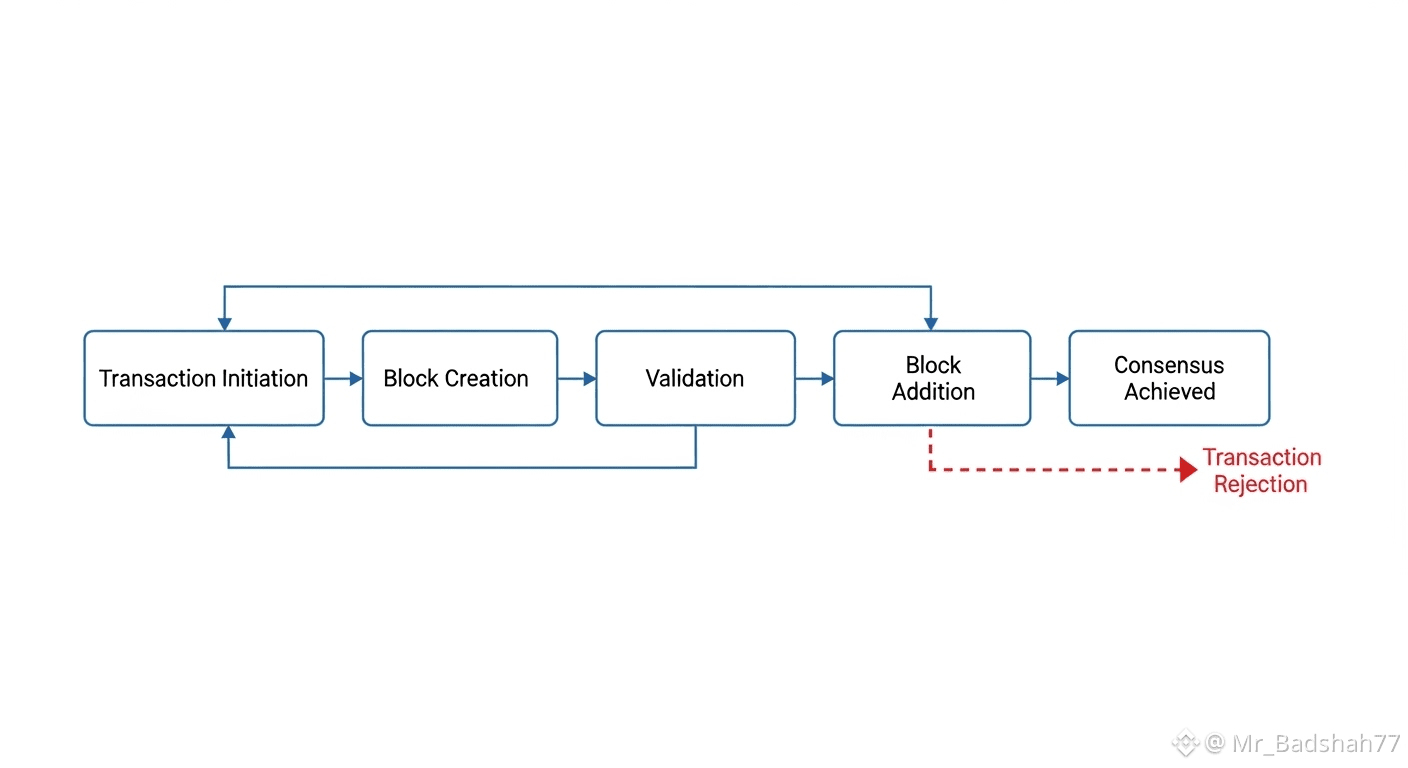
From a strategic perspective, Vanar's emphasis on speed goes beyond merely succeeding in comparison with benchmarks. It's all about mindshare. Vanar sees performance in a market overflowing with Layer-1 blockchains promising scalability as a way to an end: to provide experiences users really like using. Fast block times make actual goods, actual participation, and actual acceptance possible. Without that base, even the most sophisticated blockchain technologies find it difficult to get off the ground.
Fundamentally, Vanar is a reaction to the fact that for blockchains to support mainstream applications, they have to go beyond sluggish, confirmation-heavy systems. Vanar helps decentralized applications finally fulfill modern user expectations by limiting block times to three seconds, giving fast finality top priority, preserving developer familiarity via EVM compatibility, and welcoming AI-native design. Speed is seen as a need for relevance rather than a luxury item; therefore, Vanar is prominently included in the discussion about the next generation of high-performance blockchain infrastructure.
