
Crypto is gradually transitioning from an experimental ecosystem into a regulated financial layer. This shift is forcing blockchains to confront challenges they were not originally designed to solve — particularly around privacy, compliance, and institutional usability.
This is where @Dusk Network becomes relevant.
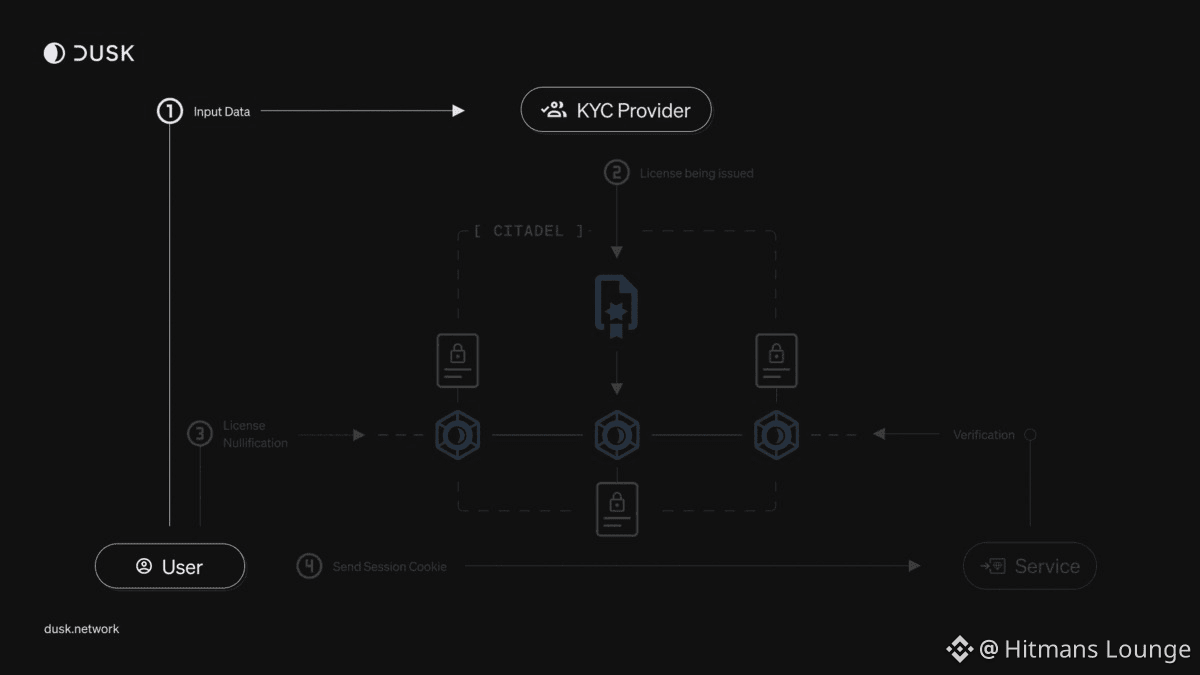
Most blockchains operate under radical transparency. While this strengthens decentralization, it creates friction with data protection laws and financial regulations. Institutions cannot operate effectively on networks where sensitive data is permanently exposed.
DUSK addresses this gap by enabling selective disclosure — allowing data to remain confidential while still being verifiable when legally required. This design is especially suited for regulated financial instruments such as tokenized securities and on-chain compliance workflows.
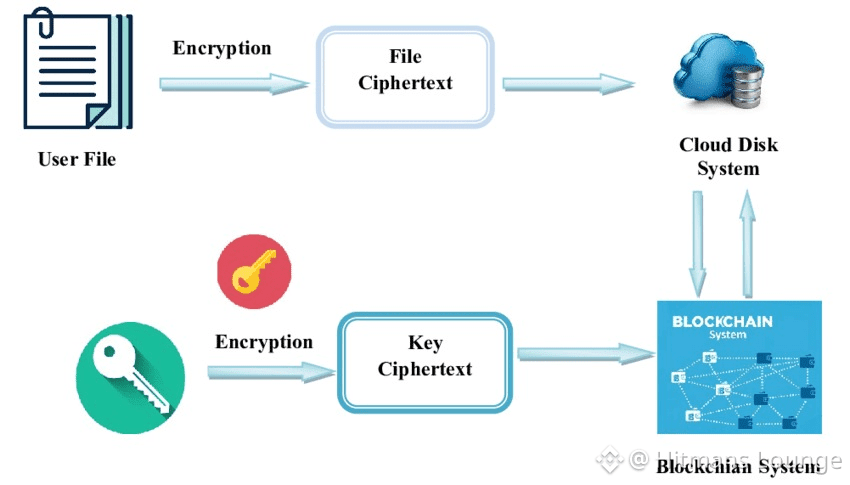
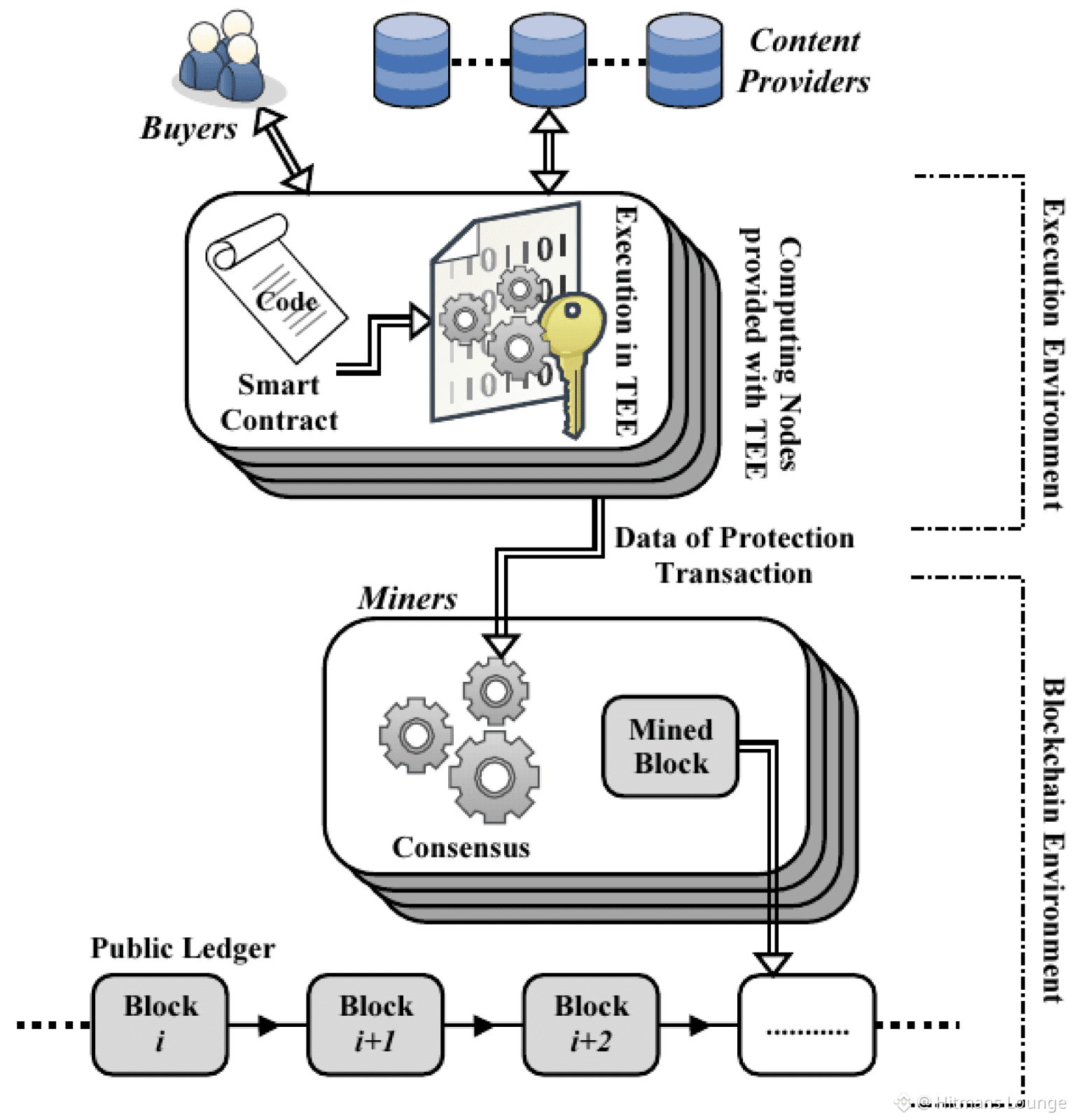
Another defining feature of DUSK is its support for confidential smart contracts. These contracts execute logic on-chain without revealing sensitive inputs or business strategies. This opens the door to enterprise and institutional use cases that are simply not feasible on fully transparent networks.
Rather than retrofitting privacy, $DUSK embeds it at the protocol level. This architectural choice positions it well for a future where blockchain adoption must align with existing legal frameworks.
DUSK is not designed for short-term speculation. It is designed for durability — and historically, durability outperforms hype over longer market cycles.
