
The year 2025 was one of quiet but decisive consolidation, where capital migrated decisively toward foundational assets and a new wave of institutional players entered the arena. This maturation sets the stage for 2026, a year poised to be defined by the deepening integration of cryptocurrency into the very fabric of global finance.
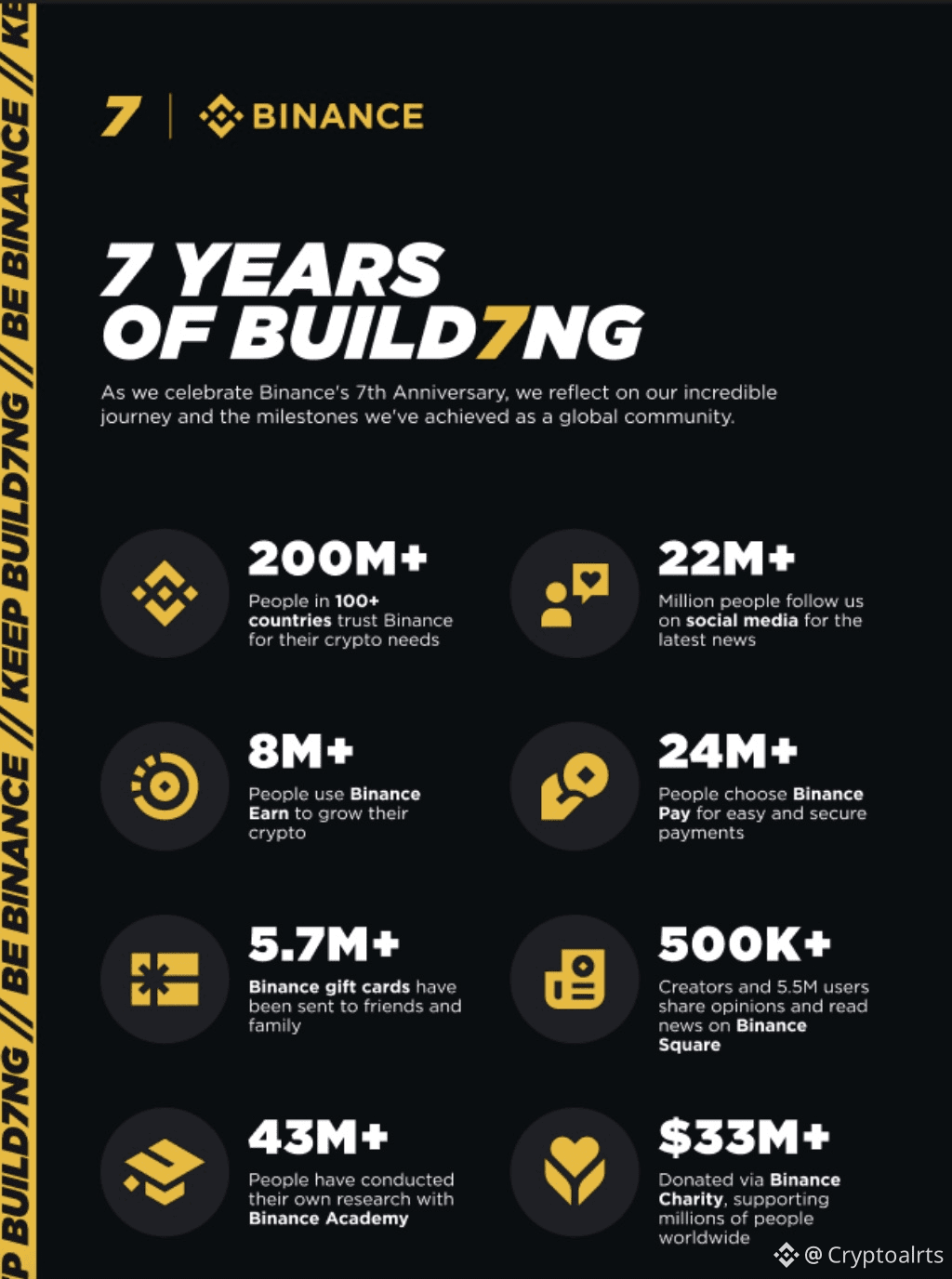
The most telling signal of this shift comes from the platforms at the center of the action. Binance, the world's leading crypto exchange, has reached a staggering 300 million global users. Perhaps more significant than the total is the velocity: the last 100 million users were onboarded in just 18 months, a surge driven significantly by businesses and institutional clients. This isn't just a retail story anymore.
🏛️ The Institutional Stamp of Approval
The data confirms a decisive turn. Binance has reported a 14% year-over-year increase in institutional users and a corresponding 13% rise in institutional trading volume. This movement reflects a broader validation of crypto as a legitimate asset class.
"Bitcoin is definitely a $1 trillion asset class. That’s indisputable now," states Matt Poblocki, General Manager of Binance Australia & NZ. He emphasizes that "more than 200 public companies globally are holding Bitcoin on their balance sheets". This corporate treasury trend has moved from fringe experimentation to a strategic balance sheet consideration for firms worldwide.
Ethereum is witnessing a similar paradigm shift. Beyond speculative trading, Poblocki notes growing "buy and hold" behavior and enhanced scalability solutions, which are making the network fundamentally more attractive to large-scale, long-term investors.
⚖️ Regulation: The "Fundamental Bedrock"
For this institutional growth to sustain, clarity is key. Poblocki identifies clearer regulatory frameworks as the "fundamental bedrock" for wider adoption. Progress is being made in pivotal jurisdictions:
· United States & UAE: Leading the way with developing regulatory structures.
· Australia: Its government’s new digital asset platform framework is expected to roll out over the next 18 months, providing much-needed guidance for the region.
This regulatory evolution is removing a major barrier to entry for traditional finance giants, allowing them to engage with confidence.
🔍 Four Trends Defining the 2026 Landscape
Looking ahead, Binance's outlook pinpoints four major trends for investors and industry watchers to monitor closely:
1. The Rise of Stablecoins
Expect stablecoins to further cement their role as the primary on-ramp, off-ramp, and medium of exchange within crypto ecosystems, bridging digital and traditional finance.
2. Deeper Real-World Utility
The focus will expand beyond financial speculation to tangible, utility-driven applications in sectors like supply chain, digital identity, and decentralized governance.
3. Increased Blue-Chip Investing
The flight to quality observed in 2025 will intensify. Major, established cryptocurrencies like Bitcoin and Ethereum will continue to attract the bulk of institutional capital due to their perceived stability and liquidity.
4. Growing Institutional Engagement
The current inflow is not a blip but the
⚖️ Regulation: The "Fundamental Bedrock"
For this institutional growth to sustain, clarity is key. Poblocki identifies clearer regulatory frameworks as the "fundamental bedrock" for wider adoption. Progress is being made in pivotal jurisdictions:
· United States & UAE: Leading the way with developing regulatory structures.
· Australia: Its government’s new digital asset platform framework is expected to roll out over the next 18 months, providing much-needed guidance for the region.
This regulatory evolution is removing a major barrier to entry for traditional finance giants, allowing them to engage with confidence.
🔍 Four Trends Defining the 2026 Landscape
Looking ahead, Binance's outlook pinpoints four major trends for investors and industry watchers to monitor closely:
1. The Rise of Stablecoins
Expect stablecoins to further cement their role as the primary on-ramp, off-ramp, and medium of exchange within crypto ecosystems, bridging digital and traditional finance.
2. Deeper Real-World Utility
The focus will expand beyond financial speculation to tangible, utility-driven applications in sectors like supply chain, digital identity, and decentralized governance.
3. Increased Blue-Chip Investing
The flight to quality observed in 2025 will intensify. Major, established cryptocurrencies like Bitcoin and Ethereum will continue to attract the bulk of institutional capital due to their perceived stability and liquidity.
4. Growing Institutional Engagement
The current inflow is not a blip but the beginning of a wave. More hedge funds, asset managers, and corporations will establish formal crypto strategies, products, and treasury allocations.
💎 The Path Forward
The narrative for 2026 is clear: consolidation has paved the way for sophisticated growth. The market is evolving from a retail-driven frontier into a mature, institutional-grade financial landscape. For investors, this means a market that may behave differently—potentially with lower volatility and stronger fundamentals, but also new complexities and higher stakes.
The confluence of user adoption, institutional validation, and regulatory progress creates a powerful trifecta. As Poblocki's analysis concludes, the next phase of crypto is not about questioning its existence, but about navigating its inevitable and complex integration into the global system.
