
As Web3 continues to evolve, one critical challenge remains largely unsolved: scalable, secure, and decentralized data storage. While blockchains excel at trustless transactions, they struggle with handling large volumes of data efficiently. This is where Walrus (WAL) steps in a protocol designed to become a foundational storage layer for decentralized applications.
Walrus is not just another DeFi token. It is an infrastructure-focused protocol built to support the next generation of Web3 applications through privacy-preserving, censorship-resistant, and cost-efficient data storage.
What Is Walrus (WAL)?
Walrus (WAL) is the native token of the Walrus protocol, a decentralized storage and data availability system built on the Sui blockchain. Its primary goal is to enable applications, enterprises, and individuals to store and retrieve large files without relying on centralized cloud providers.
Unlike traditional blockchains that store all data on-chain, Walrus introduces an off-chain yet trustless approach, allowing data to be distributed across a decentralized network while maintaining security and integrity.
Core Technology Behind Walrus
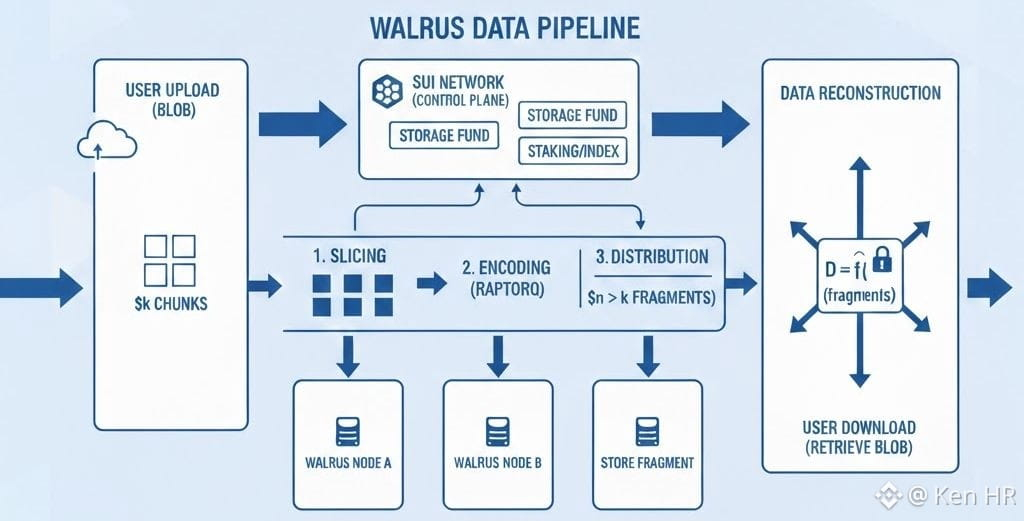
Walrus leverages a combination of blob storage and erasure coding to optimize scalability and resilience.
Key Technical Components:
Blob Storage: Large data objects (blobs) are stored efficiently without bloating the blockchain.
Erasure Coding: Data is split into fragments and distributed across multiple nodes, ensuring recovery even if some nodes fail.
Sui Blockchain Integration: High throughput, low latency, and parallel execution make Sui an ideal base layer.
Cryptographic Verification: Ensures stored data remains untampered and verifiable.
Use Cases of Walrus Protocol
Walrus is designed to serve multiple high-impact Web3 and enterprise use cases:
1. Decentralized Applications (dApps)
dApps requiring large datasets — such as social platforms, NFT metadata, and gaming assets can rely on Walrus for scalable storage.
2. Privacy-Preserving Data Storage
Walrus supports encrypted data storage, making it suitable for sensitive information without exposing content publicly.
3. DeFi & On-Chain Data Availability
DeFi protocols can store off-chain data while retaining on-chain verification, reducing costs and improving efficiency.
4. Enterprise & Web2 Migration
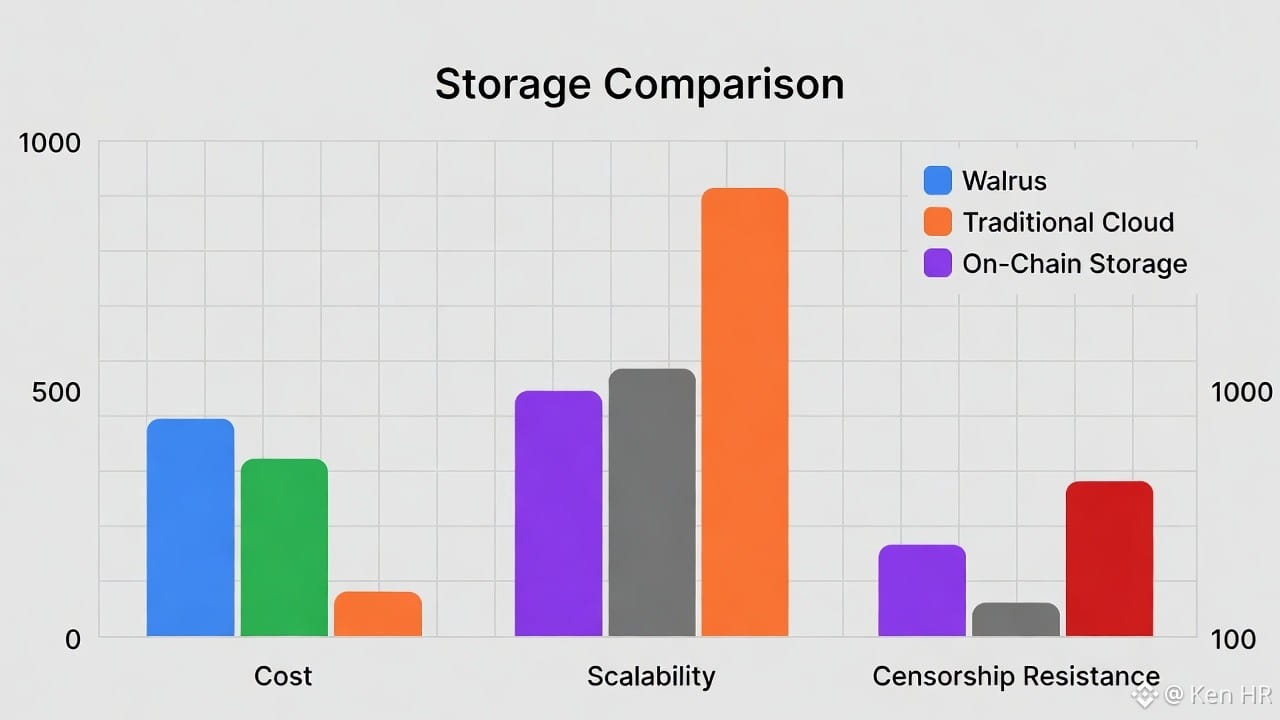
Businesses seeking alternatives to centralized cloud providers can leverage Walrus for censorship-resistant storage.
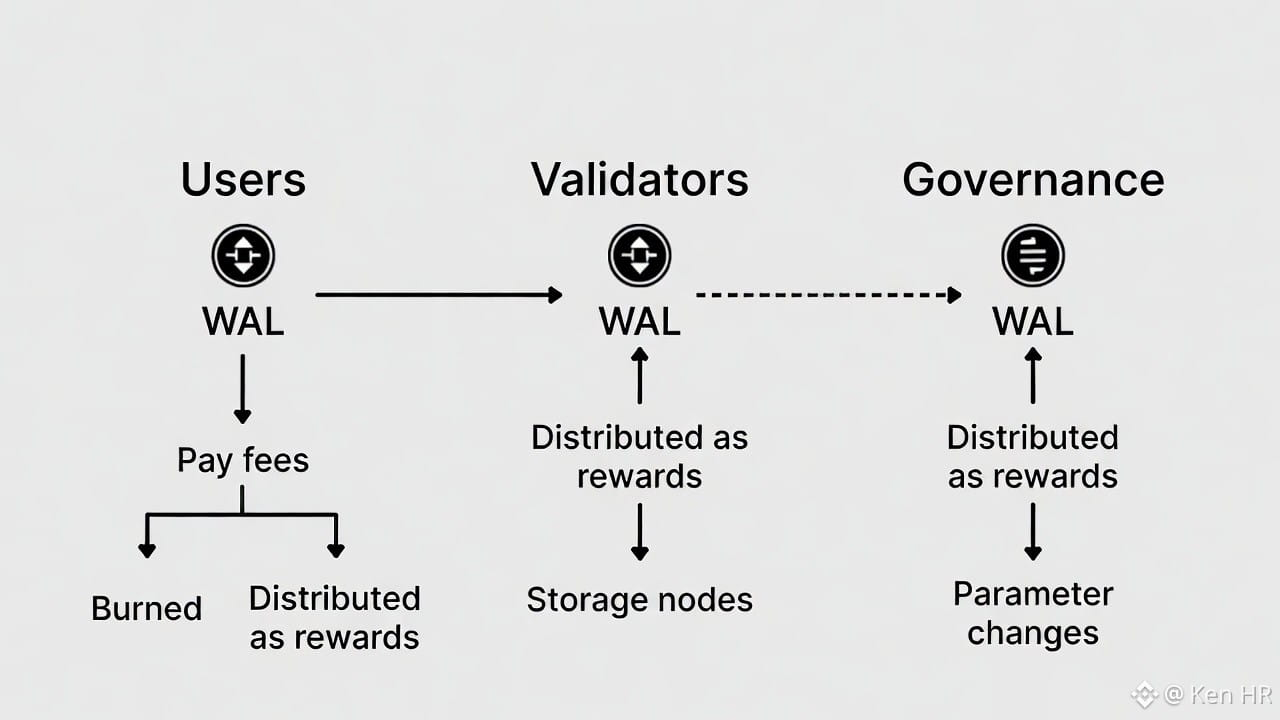
Storage Payments: Users pay WAL to store and retrieve data.
Staking & Security: Node operators stake WAL to participate honestly.
Governance: Token holders influence protocol upgrades and parameters.
Incentives: Rewards for storage providers maintaining uptime and reliability.
This token utility ensures long-term demand tied directly to network usage rather than speculation alone.
Long-Term Potential of Walrus
Walrus positions itself as a critical infrastructure layer, not a hype-driven application. As Web3 adoption grows, demand for decentralized storage will increase across multiple sectors DeFi, AI, gaming, NFTs, and enterprise solutions.
Key long-term strengths include:
Infrastructure-first narrative
Deep integration with Sui’s high-performance blockchain
Growing demand for censorship-resistant data
Real utility beyond speculative trading
If Web3 aims to rival Web2, protocols like Walrus will be essential in building the underlying data backbone.
Final Thoughts
Walrus (WAL) represents a shift from surface-level applications toward deep infrastructure development. By solving one of Web3’s most pressing challenges scalable and secure data storage Walrus has positioned itself as a long-term contender in the decentralized ecosystem.
As the decentralized internet matures, Walrus could become one of the invisible yet indispensable layers powering Web3’s future.

