

“What happens after I press send?”
That question sounds simple, but in digital finance it still carries uncertainty. I have asked it myself while watching transactions linger in a pending state, refreshing a screen, hoping finality arrives without surprises. For most users, especially businesses, that pause is not just inconvenient—it’s a liability. Plasma begins precisely at that moment of doubt and asks a quiet but serious question: what if settlement simply worked, without drama, delay, or explanation?
Plasma is built around a restrained idea that feels almost countercultural in Web3: infrastructure should not demand attention. Its vision is not to dazzle users with endless features, but to disappear behind reliability. Plasma treats settlement as its core responsibility, not as a side effect of running applications. This framing matters because settlement is where trust either holds or breaks, particularly in finance, payments, and cross-border commerce.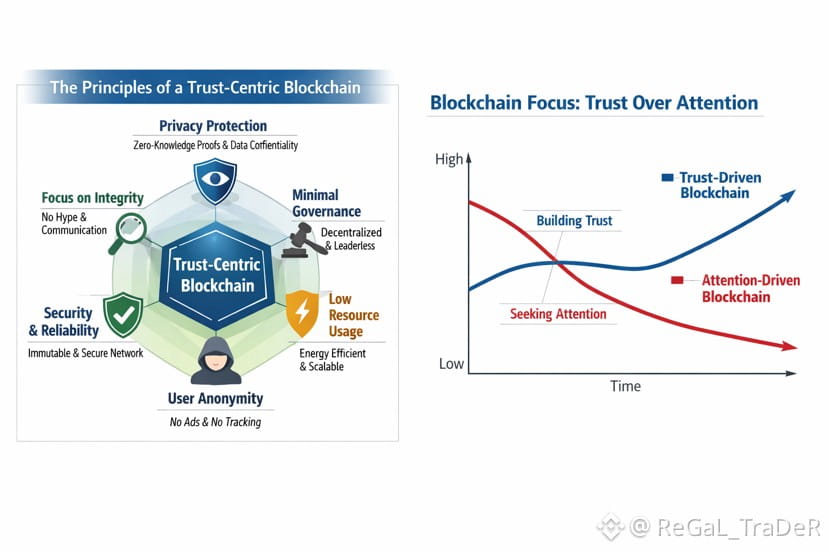
The leadership direction reinforces this mindset. Plasma’s team composition and recent strategic hires reflect experience rooted in financial systems, protocol engineering, and operational infrastructure rather than speculative consumer trends. These are people who have worked in environments where failure is costly and reversibility is not assumed. From my perspective, this background shows up clearly in how Plasma communicates: there is little urgency to oversell, and more emphasis on precision, correctness, and long-term usability. That tone is rare—and telling.
Technologically, Plasma takes a pragmatic route. It remains EVM-compatible, which reduces friction for developers and avoids forcing new mental models onto existing ecosystems. Where it diverges is in how it treats time and certainty. Plasma is designed for fast, deterministic finality using a Byzantine Fault Tolerant consensus approach. Transactions are meant to resolve decisively, not probabilistically. This distinction may feel subtle to casual users, but for payments, treasury flows, or automated systems, it is foundational. A payment that might be reversed is not a payment—it is a promise waiting to be tested.
Another architectural choice that stands out is Plasma’s treatment of stablecoins as the primary economic unit. Fees and value are designed to coexist, reducing the need for auxiliary assets just to interact with the network. I find this particularly important because complexity is often mistaken for sophistication in Web3. In reality, every extra step is friction, and friction is the enemy of adoption. Plasma’s design implicitly acknowledges that most users do not want to think about block space, gas abstractions, or token juggling. They want money to move.
Security anchoring to Bitcoin adds another layer of quiet discipline. Rather than relying solely on internal assurances, Plasma references an external, highly resilient settlement layer to make history more difficult to alter. This is not about ideology; it is about reducing trust assumptions. In financial infrastructure, redundancy and external verification are not luxuries—they are safeguards.
What Plasma has built so far aligns tightly with its philosophy. The core network is live, settlement primitives are in place, and development appears focused on improving reliability, tooling for stablecoin issuers, and integration pathways rather than chasing expansive narratives. Partnerships, too, seem oriented toward payment flows and infrastructure services instead of broad ecosystem signaling. This narrower focus may limit short-term visibility, but it strengthens coherence.
That said, Plasma’s path is not without risk. Settlement networks face slow adoption cycles, particularly when targeting institutions and payment providers who move cautiously and demand proven uptime. There is also growing competition from both traditional financial rails and blockchain platforms making similar claims. Plasma will need to demonstrate that consistency over time—not innovation bursts—is its competitive edge.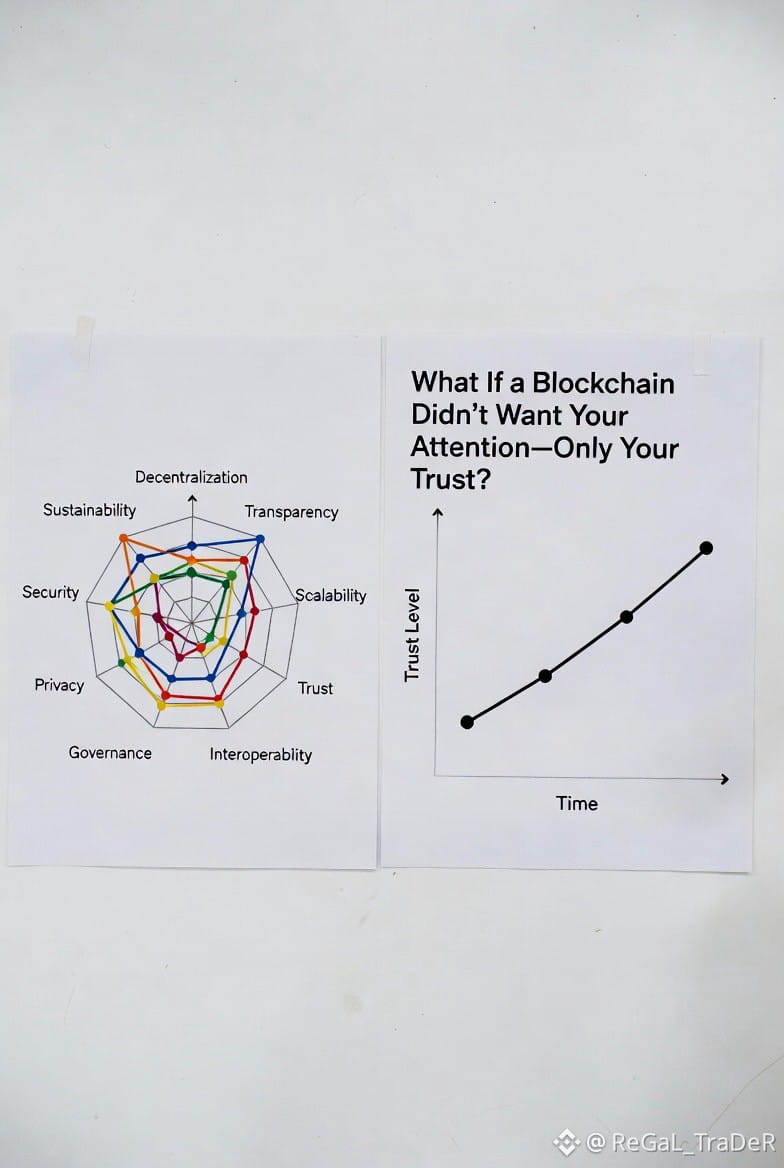
Why does Plasma matter now? Because stablecoins are no longer theoretical instruments. They are actively used in remittances, trade settlement, and increasingly by automated systems that require predictable execution. As AI-driven agents and financial automation expand, the need for infrastructure that is boring, dependable, and final becomes more urgent, not less.
From my analytical perspective, Plasma’s strength lies in its restraint. It is not trying to redefine finance; it is trying to support it quietly. If successful, Plasma may never be famous—and that may be exactly the point. The most valuable infrastructure is often the kind users forget exists, until the day it doesn’t.

