

Plasma is a next generation Layer‑1 blockchain that launched its mainnet in late 2025 with ambitions to transform how stablecoins are settled, transferred, and integrated into both retail and institutional finance.
Built to combine high performance, gasless transfers, Bitcoin‑anchored security, and full Ethereum compatibility, Plasma has quickly gone from a niche idea to one of the most talked‑about blockchain platforms of the year — backed by major players in crypto and embraced by exchanges like Binance.
Why Plasma Was Built: The Stablecoin Opportunity
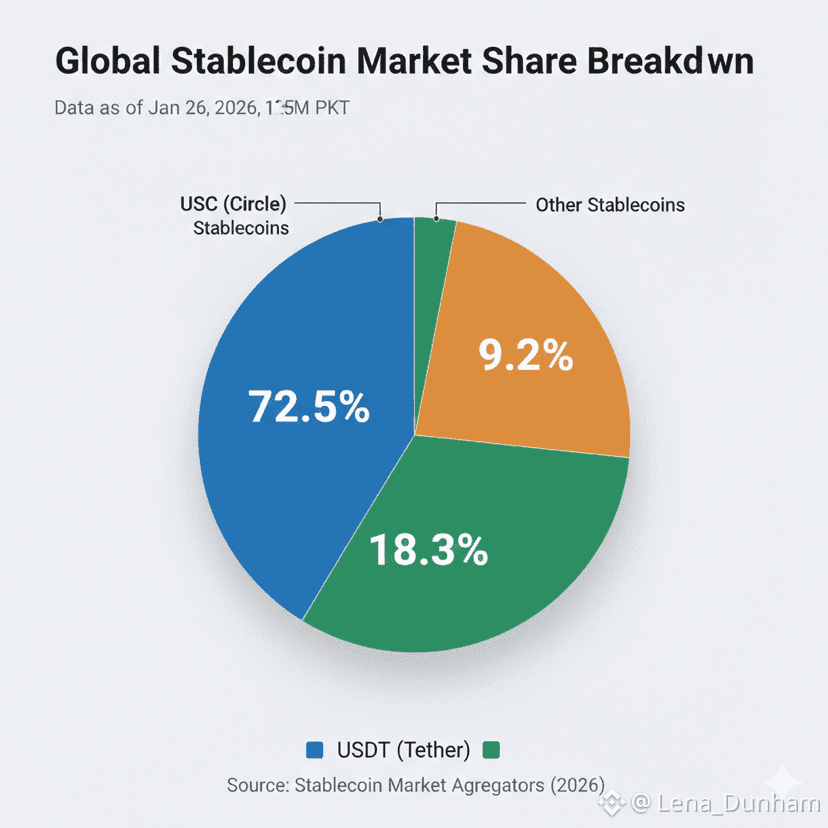
Stablecoins like USDT and USDC have become indispensable in crypto markets. They serve as the bridge between fiat currencies and digital assets, powering everything from decentralized finance (DeFi) to cross‑border remittances, merchant payments, and institutional settlement networks. In 2025, daily stablecoin transaction volumes continue to sit in the tens of billions of dollars, dwarfing the volumes on many legacy Layer‑1s — yet the infrastructure remains fragmented and often expensive.
Existing blockchains like Ethereum and Tron carry huge stablecoin flows, but users and issuers alike face persistent challenges: high fees, unpredictable confirmation times, and a disconnect between the interests of stablecoin issuers and the underlying blockchain networks. On many chains, stablecoin volume benefits the chain’s validators and token holders — not the stablecoin issuers themselves. This asymmetry inspired the Plasma team to build a blockchain that puts stablecoins at the center of its design.
Plasma aims to address this by designing a network where transfers of stablecoins — especially USDT, the world’s largest stablecoin — can happen with minimal cost, speed, and convenience. This focus on money transfer and settlement makes Plasma a uniquely positioned Layer‑1 in the global payments landscape.
Core Technology: Fast, EVM‑Compatible, and Secure
1. EVM Compatibility with Reth
Plasma supports the Ethereum Virtual Machine (EVM), the runtime environment that underpins most smart contracts in the crypto world. Developers familiar with Ethereum tooling — like Solidity, MetaMask, Truffle, and Hardhat — can use the same skillset on Plasma. The execution layer is powered by Reth, an Ethereum client written in Rust, which provides efficient, scalable processing of transactions and smart contracts.
This compatibility is crucial. It means that existing DeFi applications can be ported to Plasma with minimal effort, opening the ecosystem to DEXs, lending protocols, payments apps, and more — all with stablecoin‑native optimizations.
2. PlasmaBFT: High Throughput and Sub‑Second Finality
At the heart of Plasma’s consensus layer is PlasmaBFT, a custom variant of the Fast HotStuff Byzantine Fault Tolerant protocol. Traditional proof‑of‑stake or proof‑of‑work chains can take seconds or minutes for transactions to finalize. PlasmaBFT, in contrast, is designed for speed and efficiency, enabling sub‑second finality and thousands of transactions per second — a crucial factor for any chain meant to handle global payment flows.
This rapid finality makes Plasma ideal for both retail payments (like remittances or merchant checkout) and institutional settlements where time and certainty matter. This contrasts with networks that require multiple block confirmations and unpredictable latency.
3. Bitcoin‑Anchored Security
One of Plasma’s most significant architectural choices is anchoring its state to the Bitcoin blockchain. Bitcoin remains the most secure decentralized blockchain in existence, securing trillions in value. By leveraging Bitcoin for security anchoring, Plasma engineers believe they can benefit from Bitcoin’s neutrality and censorship resistance — a selling point for institutions and markets that demand the highest level of trust and resilience.
This design choice positions Plasma not as a siloed L1, but as a bridge between Bitcoin’s security and Ethereum’s programmability — something that could appeal to both developers and financial actors skeptical of newer, less battle‑tested systems.
Stablecoin‑First Features: Gasless Transfers and Custom Gas Tokens
Plasma’s standout innovation is its stablecoin‑centric feature set, engineered for real use cases — not just blockchain novelty.
Gasless USDT Transfers
One of Plasma’s flagship offerings is zero‑fee transfers of USDT, made possible through an integrated paymaster system. This mechanism subsidizes gas costs for basic stablecoin transfers, meaning users can send USDT without manually paying gas fees in the native token. This removes a major user friction: the need to hold or manage a secondary token just to pay for stablecoin transfers.
For everyday users, businesses, and cross‑border remittance corridors where every cent counts, this frictionless experience could drive real adoption — giving Plasma a practical edge over chains where fees are a barrier to use.
Custom Gas Tokens
Beyond subsidized USDT transfers, Plasma supports custom gas tokens, meaning that transactions and fees can be paid in a variety of assets — including other stablecoins or ecosystem tokens. Developers can register ERC‑20 tokens as acceptable gas options, giving users flexibility and aligning network economics with user preferences.
This innovation enhances usability, particularly in markets where stablecoins are dominant and native token holdings are low. Rather than forcing users to acquire network tokens purely to pay gas, Plasma lets them transact in assets they already hold and trust.
Liquidity and DeFi Ecosystem at Launch
The launch of Plasma’s mainnet in late 2025 was notable not just for its technical features, but for the sheer scale of liquidity and ecosystem engagement from day one.
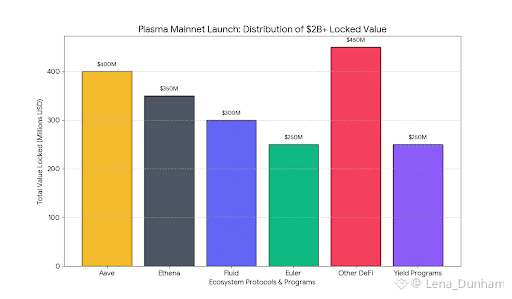
Plasma debuted with over $2 billion in stablecoins locked — a remarkable achievement that placed it among the top 10 blockchains by stablecoin liquidity at launch. Over 100 DeFi partners committed assets, including major protocols like Aave, Ethena, Fluid, and Euler.
This ecosystem support gives Plasma immediate depth — not just a promising technology stack. Liquidity attracts developers, which attracts users, feeding a virtuous cycle critical for any new blockchain’s sustainability.
Binance and the XPL Token
Binance — the world’s largest crypto exchange — has played a significant role in Plasma’s rollout. The blockchain’s native token, XPL, was integrated into Binance’s HODLer Airdrops program, giving users exposure through savings and staking products. XPL is now tradable in pairs like USDT, USDC, BNB, FDUSD, and TRY, broadening access and liquidity.
In addition, Binance launched an on‑chain USDT yield program tied to Plasma that attracted $250 million in deposits in under an hour, highlighting strong investor interest and confidence in the network’s potential.
The XPL token functions as more than just a speculative asset. It plays crucial roles in:
Validator staking and rewards
Network security and governance participation
Fee economics for transactions beyond simple USDT transfers
Addressing Global Use Cases: Retail and Institutional
Plasma’s design choices reflect a dual‑track focus:
Retail Payments
For everyday users and merchants — particularly in high‑adoption markets like Southeast Asia, Latin America, and Africa — Plasma’s fast, inexpensive stablecoin transfers have real utility. Remittances, cross‑border payments, and micropayments — areas where traditional rails are slow and expensive — are plasma’s natural target.
Zero‑fee transfers, rapid finality, and support for stablecoins across 25+ assets make Plasma competitive for everyday use.
Institutional Settlements
Institutions — from fintech payment providers to banks exploring digital settlements — have been watching stablecoin infrastructure evolve closely. Plasma’s Bitcoin‑anchored security, compatibility with existing smart contract tooling, and stablecoin‑first economics position it as a credible alternative to bespoke private networks or expensive legacy systems.
Whether for interbank settlement, treasury management, or programmable money operations, Plasma offers a blend of security, efficiency, and interoperability attractive to institutional actors.
Challenges Ahead
Despite its promise, Plasma faces important questions:
Sustainability of gas subsidies: Can the network maintain zero‑fee transfers as activity scales, or will paymaster funds run low?
Validator decentralization: Moving from a permissioned validator set to a fully decentralized one without compromising security is a major roadmap objective.
Competition: Other stablecoin‑focused chains and platforms — including issuer‑owned networks like Circle’s Arc — could dilute Plasma’s market share.
Execution, adoption, and real‑world integration will ultimately determine whether Plasma is a transformational settlement layer or another promising experiment in a crowded landscape.
Conclusion: A New Rail for Money Movement?
Plasma has rapidly emerged as one of 2025–2026’s most interesting blockchain experiments — not because it replicates what others have done, but because it reimagines the blockchain as a money transfer and settlement layer first, a smart contract platform second.
Its combination of EVM compatibility, Bitcoin‑anchored security, gasless stablecoin transfers, DeFi liquidity, and strong exchange integration creates a compelling narrative: a blockchain built for the real flow of money, not just code.
Whether Plasma becomes the backbone for stablecoin settlement worldwide remains to be seen, but what’s certain is that its launch has reshaped the conversation around how digital money can and should move.#plasma @Plasma $XPL


