
I’ve been revisiting Dusk lately because the broader RWA conversation has shifted. It’s no longer about whether real-world assets come on-chain. It’s about which infrastructure can actually support them without breaking compliance or privacy requirements.
That’s where Dusk keeps making sense.
From a numbers standpoint, $DUSK is still a relatively small network. Circulating supply sits just under 500 million tokens, with a fixed maximum of 1 billion. That means a meaningful portion of supply is still locked, and emissions are tied to network activity rather than aggressive front-loading. Daily trading volume has stayed consistently active, even outside of hype-driven periods, which suggests the token hasn’t faded into obscurity.
But the more interesting data point isn’t market cap. It’s maturity.
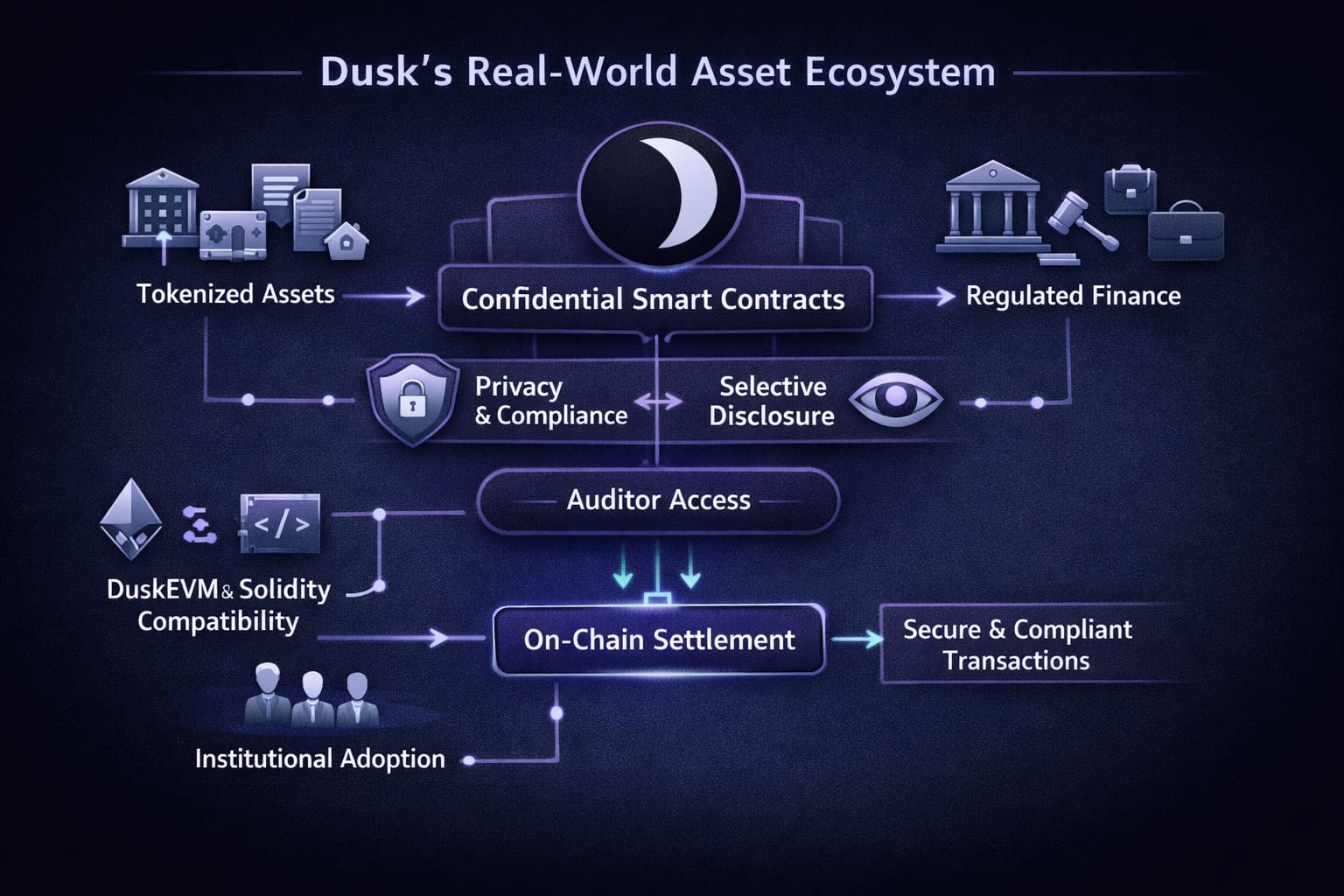
Dusk’s mainnet has been live long enough to move past the “it works in theory” phase. Confidential smart contracts are operational, and the selective disclosure model is clear in its intent. Transactions can remain private by default, while still producing verifiable proofs for auditors and regulators when needed. That combination is rare, and it directly maps to how regulated finance actually functions.
Developer access has improved in ways that don’t always show up on charts. Solidity compatibility through DuskEVM means existing Ethereum teams can experiment without rewriting their entire stack. That lowers the cost of testing regulated issuance, private settlement, or compliant DeFi products. Fewer barriers mean more honest experimentation, and that’s usually where real adoption starts.
Here’s a practical scenario.
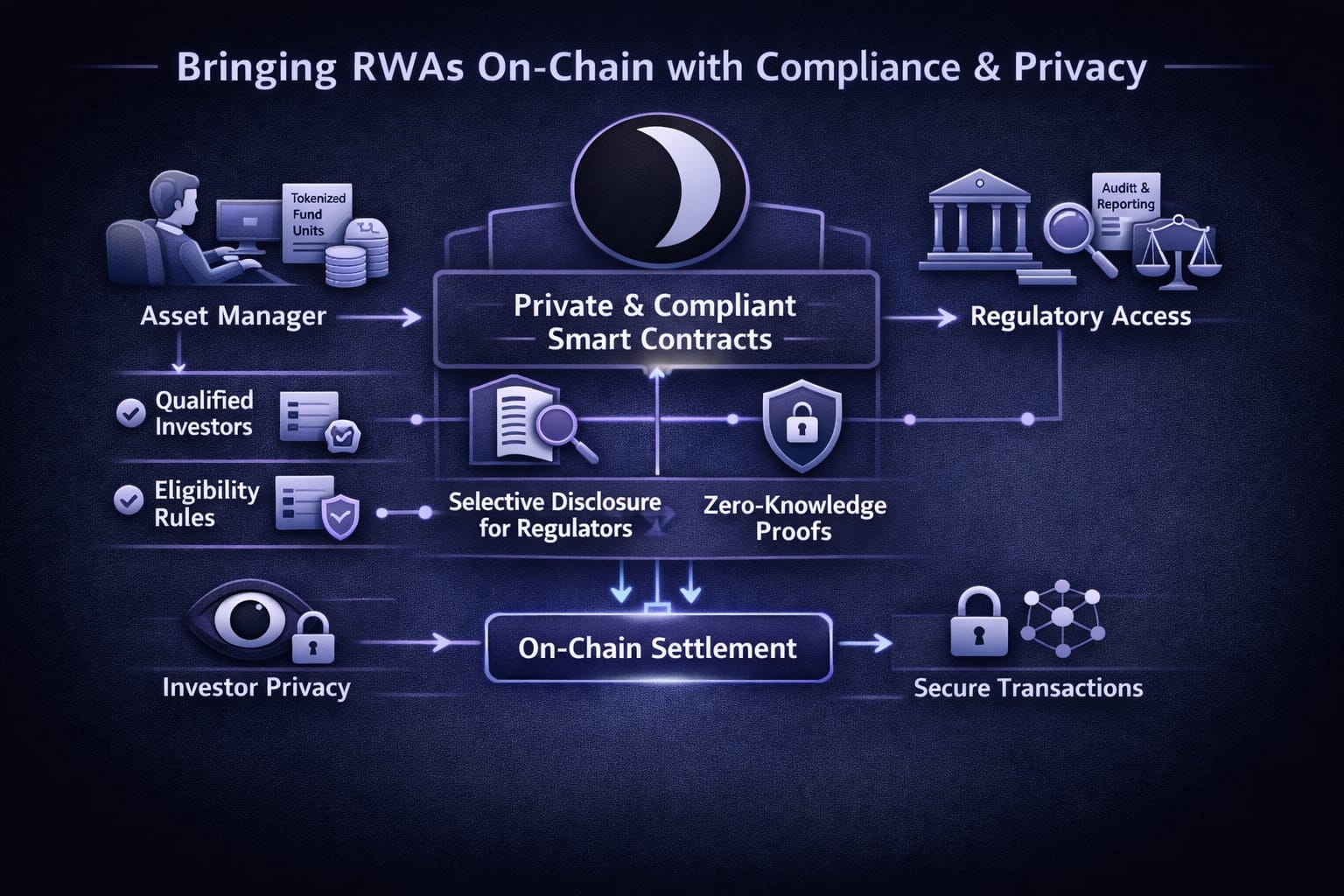
Consider a regulated asset manager issuing tokenized fund units to qualified investors. The manager needs investor privacy. Transfers must follow strict eligibility rules. Regulators need access during audits or disputes. On most public chains, this setup need heavy off-chain logic and real work arounds. On Dusk, these constraints are expected, not patched in later. Privacy and compliance live at the protocol level, alongside the contract logic.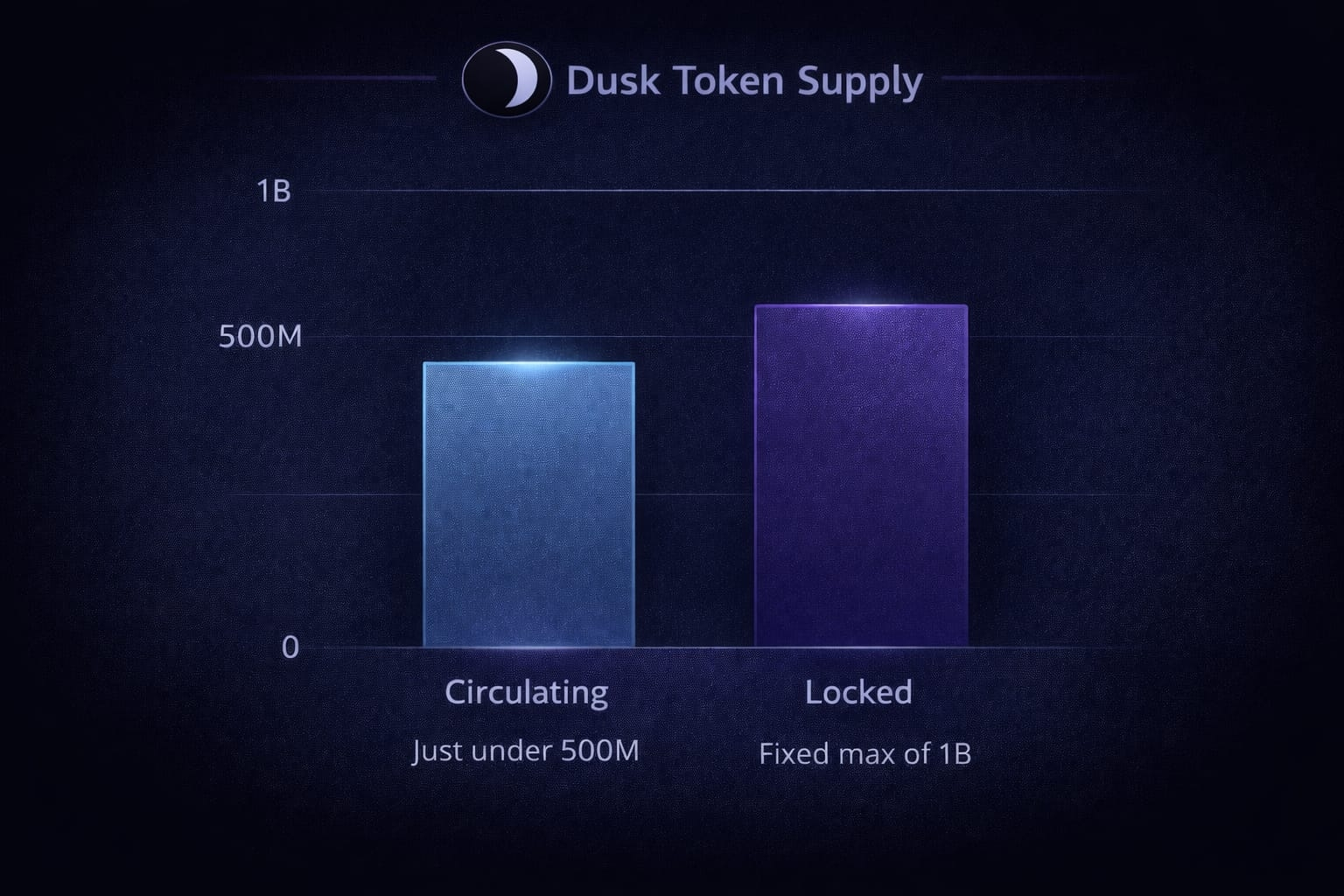
That design choice explains why Dusk’s progress often looks quiet. Regulated integrations don’t generate viral announcements. They generate pilots, legal reviews, and gradual rollouts. That pace doesn’t excite short-term traders, but it’s normal for financial infrastructure.
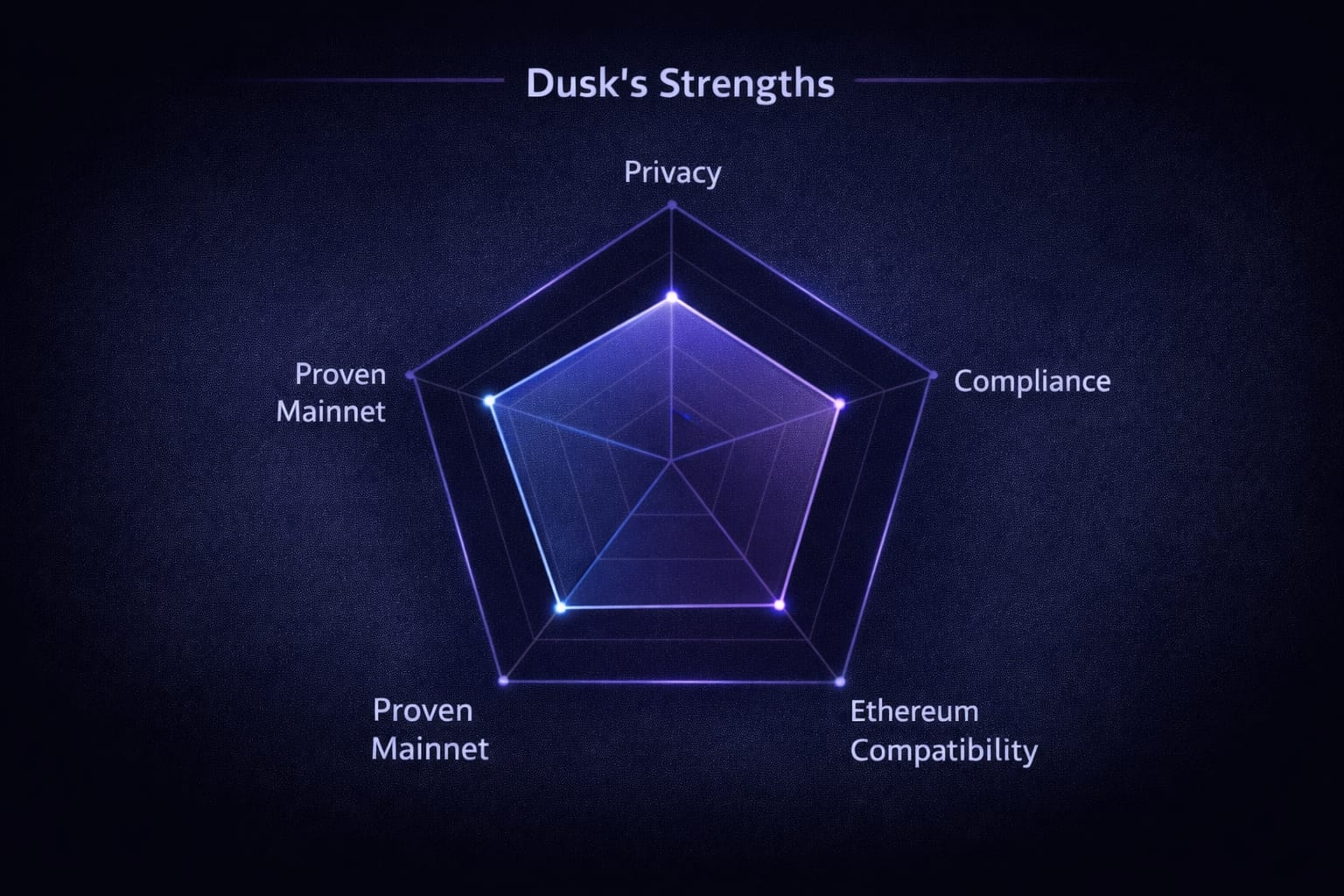
When you compare @Dusk to general-purpose Layer 1s, the contrast is obvious. Ethereum and Solana optimize for openness and composability, which works well for permissionless DeFi. Dusk optimizes for controlled environments where privacy and accountability both matter. Compared to pure privacy chains, Dusk takes a more practical approach that regulators can certainly engage with.
There are still real risks worth acknowledging.
Official frameworks differ by region, and particular revelation models still need consistent approval from power. Institutional adoption takes time, and some pilots will never move beyond testing. Token volatility can also distort perception if markets focus more on price than usage.
Even with those risks, the direction feels clearer now.
As tokenization moves closer to production systems and regulated settlement, infrastructure built for those constraints becomes harder to replace. Chains that assume full transparency or full opacity both struggle in that environment. Dusk sits in the middle, and that’s where most real financial products operate.
That’s why I see #dusk less as a narrative trade and more as a long-cycle infrastructure bet. The signal isn’t noise or hype. It’s whether real institutions keep testing and building.

