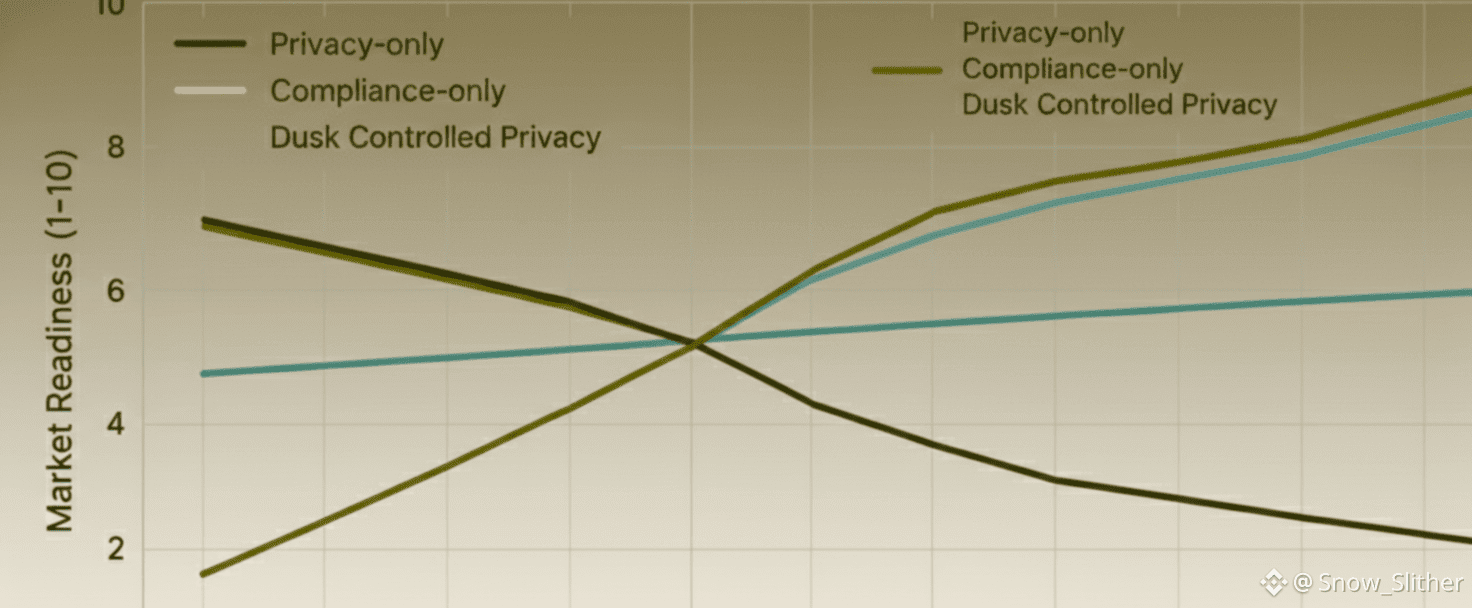
Imagine a world where your financial moves stay private like your bank statements, yet are still trusted by rules that protect everyone. That’s the vision behind Dusk, a new kind of blockchain built not just for fast and secure transactions, but for real‑world regulated finance. Unlike early blockchains where everything is public for all to see, Dusk aims to protect privacy and follow the rules that governments and institutions require. Why Privacy Matters on the Blockchain.Traditional blockchains like Bitcoin or Ethereum are transparent by design — anyone can look at any wallet and see transactions. This openness is powerful for trust, but it also means sensitive financial information is visible. In everyday finance, people and businesses don’t want all their transaction details broadcasted to the world. Banks keep records confidential; companies guard trade secrets; individuals value personal privacy. Dusk understands this. It was created with a core belief that privacy shouldn’t be optional — it should be part of how the system works from the ground up. But privacy alone isn’t enough. Real financial markets also need rules to prevent fraud, protect customers, and keep the system fair. So Dusk pairs privacy with regulatory compliance, making sure transactions remain confidential while still being auditable and lawful. Confidential Transactions That Still Follow the RulesSo how does Dusk protect privacy without hiding everything from regulators? The answer is zero‑knowledge proofs (ZKPs) — a kind of advanced cryptography that’s core to Dusk’s design. In simple terms, a zero‑knowledge proof lets someone prove they did something correctly without revealing the details of what they did. Think of it as showing you have enough money in your account without showing every item on your bank statement. 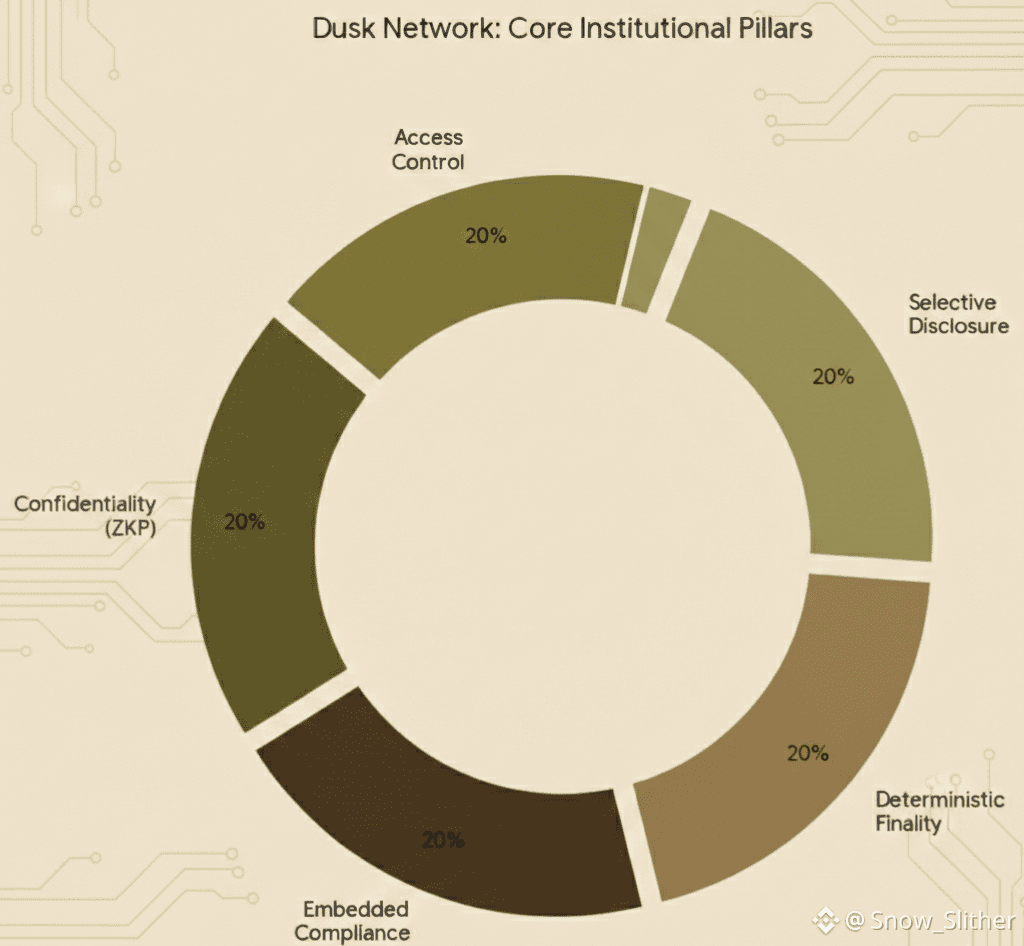
In Dusk, transactions can be shielded so the amounts and addresses involved aren’t visible to the public. But regulators or auditors can still verify that the transaction follows all the rules when appropriate. This is not hiding from oversight — it’s private data that can be revealed only to the right people in the right situations. You get privacy and accountability in one model. This approach is very different from privacy coins that aim to hide everything with no audit options. Dusk offers privacy, but it’s privacy that plays well with law and finance — not against them. Built for Regulated Markets, Not Just Crypto Fans.Dusk wasn’t designed just for people who enjoy cryptocurrencies — it was built for institutions, companies, and people who work with regulated financial instruments like securities, bonds, and other real‑world assets. In traditional markets, these assets are governed by strict rules set by governments and regulators. Simply putting them on a public blockchain wouldn’t work because sensitive investor or trade data would be exposed. With Dusk, those assets can be tokenized — that is, represented as digital tokens on the blockchain — and traded, transferred, or settled in a way that keeps private information protected. At the same time, the blockchain’s rules can enforce compliance with regulations like KYC (Know Your Customer) and AML (Anti‑Money Laundering). This opens the door for traditional financial markets to use blockchain technology in core operations.
 In other words, banks, exchanges, and investment firms can bring regulated assets on‑chain without exposing all transaction details to the public. They still get the benefits of blockchain — speed, security, automation — without sacrificing confidentiality or breaking laws. A Flexible System for Different Needs.Dusk actually supports two transaction models. One is fully public and transparent, similar to most blockchains today. This is useful for open markets or parts of the system where transparency is required. The other model is shielded and private, where transaction details are hidden from everyone except authorized parties. This flexibility is key. It means users and institutions can choose the level of privacy they need. Want full visibility for audit purposes? Use the public model. Need to protect sensitive information while still proving compliance? Use the shielded model. It’s privacy on demand, not forced on every transaction. Workflows for Real Finance, Not Just Token.In real finance, transactions involve more than just moving money. There are rules about who can trade what, reporting requirements, and legal obligations that must be tracked and enforced.
Dusk’s design includes features that let developers build logic into transactions — such as eligibility rules, limits, and automated reporting — that reflect real‑world requirements. This means that financial instruments like bonds, stocks, or even digital euros can be issued and traded on Dusk in a manner that complies with real‑world regulations. The network is, in many ways, a bridge between traditional finance and decentralized technology. What It Means for the Future.The potential of Dusk goes beyond privacy and compliance. By combining both, it aims to make blockchain suitable for regulated markets that have been reluctant to use public distributed ledgers. Institutions can adopt blockchain for core operations without compromising confidentiality or legal obligations. For everyday users, this could translate into financial products that feel more private and secure while still offering the transparency required by law. Think of a future where you can hold tokenized bonds or investments in your wallet, trade them securely, and never worry that your financial history is open for anyone to see. Dusk’s approach suggests that blockchain doesn’t have to force a choice between privacy and compliance — it can offer both at the same time. And that’s a lesson worth paying attention to as blockchain tries to grow beyond its early hobbyist roots into mainstream finance.