


I've watched countless tokens launch with big promises, only to see early hype fizzle as unlocks flood the market and holders get left behind. It's a familiar story in crypto, short term pumps followed by long term pain for those who believed in the vision. But with $VANRY , the native token of Vanar Chain, something feels different. Its design hints at a shift toward rewarding patience over quick flips.
Vanar Chain positions itself as an AI native Layer 1 blockchain, blending modular infrastructure with semantic memory and on chain reasoning for smarter dApps. At its core, VANRY powers the ecosystem as the gas token for transactions, validator rewards, staking, and governance. The total supply caps at 2.4 billion tokens, with 1.2 billion coming from a one to one exchange of the legacy Virtua token TVK, and the remainder minted gradually over 20 years at an average 3.5 percent annual inflation rate. Early emissions fund builders and airdrops, but vesting schedules are deliberately stretched to avoid shocks, with no team allocation reducing insider sell off risk.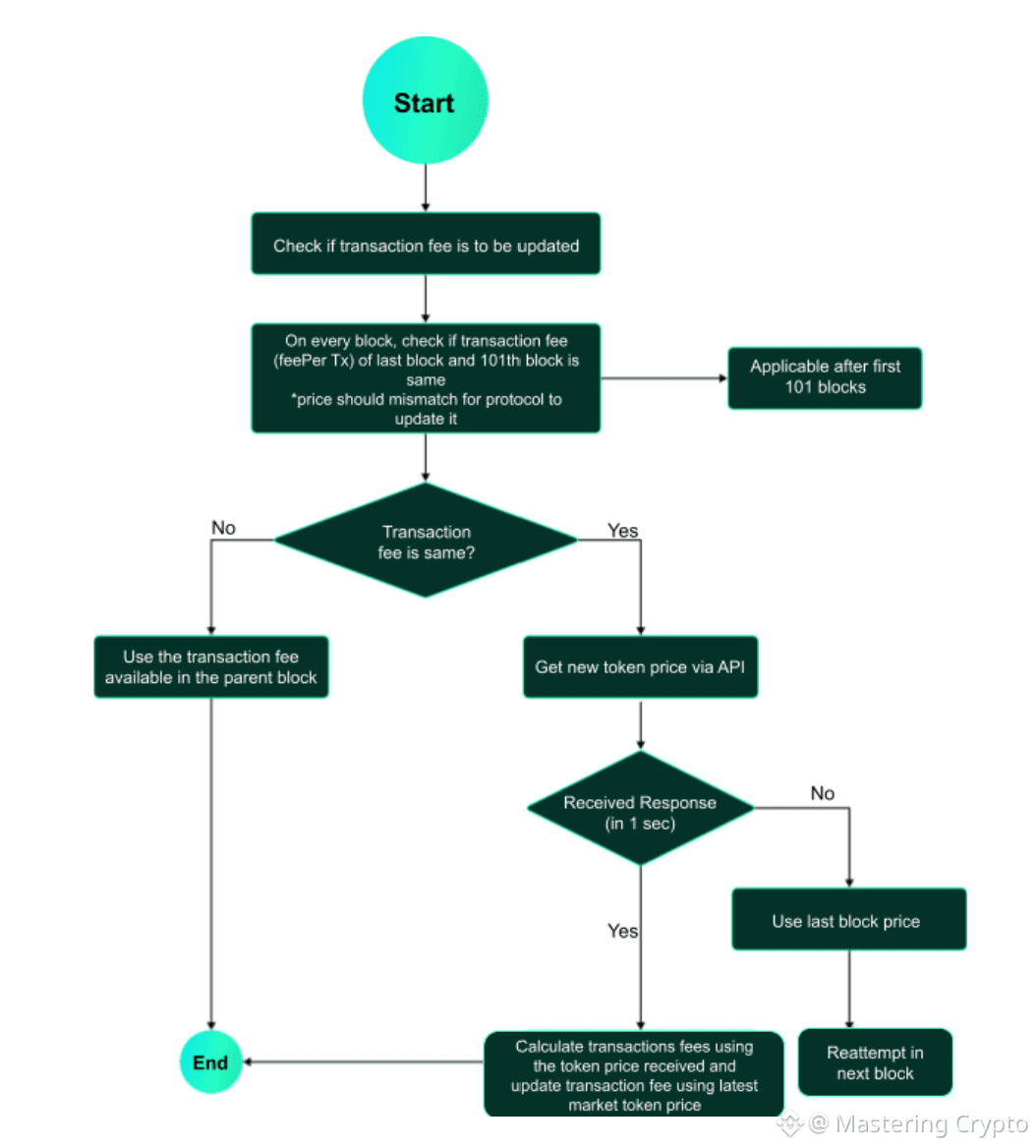
Staking yields of 8 to 15 percent offer passive income while securing the network, and transaction fee burns, up 280 percent after the V23 upgrade, introduce deflationary pressure as daily volume reaches 9 million. Validators earn 83 percent of new supply for securing the chain via Stellar SCP consensus, upgraded in 2025 for faster finality and protection against malicious nodes. Governance is evolving too, with Proposal 2.0 allowing holders to vote on AI parameters and incentive rules, giving long term holders real influence.
This structure aligns with broader Layer 1 trends favoring sustainable tokenomics over inflation driven hype, mirroring Ethereum’s staking model and Solana’s fee destruction logic. Vanar’s focus on PayFi, tokenized assets, gaming, and entertainment, including NVIDIA partnerships for AI agents, fits the 2026 shift toward real world utility. Node count growth to 18,000, success rates of 99.98 percent, and rising institutional participation point to demand driven by usage rather than speculation.
From my vantage point deep in DeFi and Layer 2 ecosystems, VANRY feels measured, not flashy. There are risks, early inflation, competition from louder AI chains, and execution always matters. Still, the combination of long tail emissions, real utility, growing burns, and community focused design suggests VANRY is built to reward long term holders, not short term hype. If execution holds, its breakout may look less like a moonshot and more like something rarer in crypto: reliable infrastructure fuel that compounds quietly over time.

