
Every technology cycle reaches a point where experimentation gives way to usability ⚙️➡️👥. Web3 is approaching that phase 🚀.
Early blockchain adoption was driven by ideology and innovation 💡. The next phase will be driven by user experience, application performance, and real-world utility 🧑💻⚡🌍. Infrastructure must evolve accordingly 🏗️.
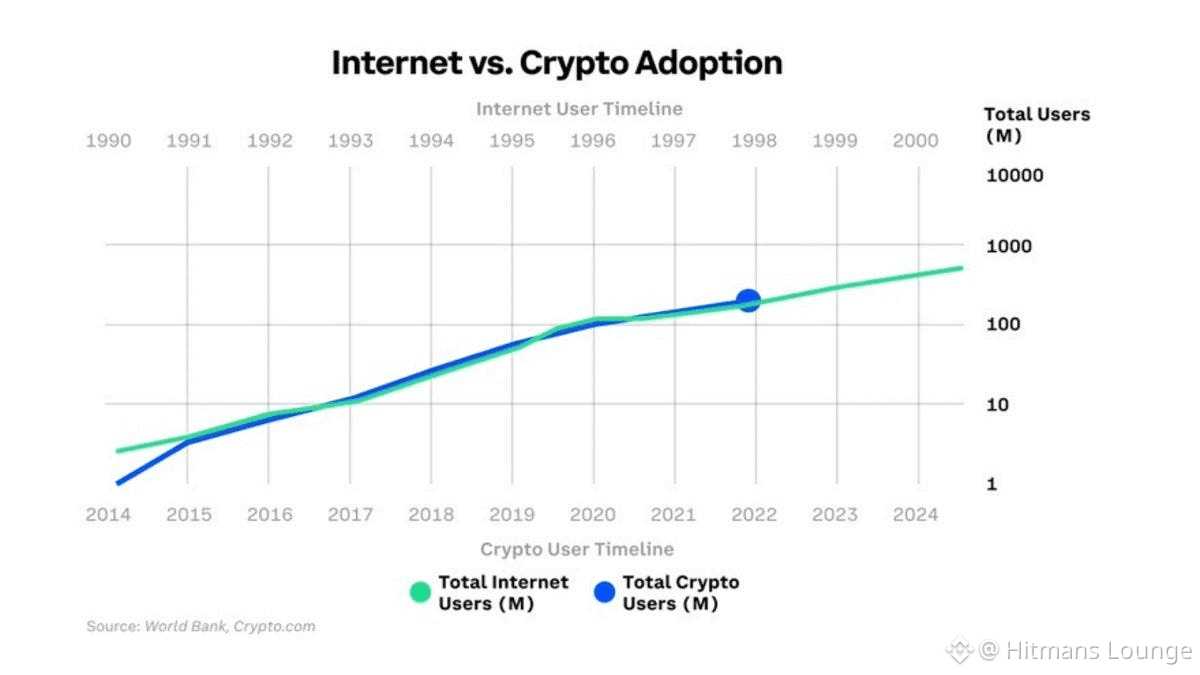
@Vanarchain appears to be aligned with this transition ✅.
By prioritizing performance and developer usability 🛠️⚡, Vanar positions itself for environments where large numbers of users interact continuously 👥🔁. These are not hypothetical scenarios — they are already emerging in gaming 🎮, virtual worlds 🕶️, and digital media platforms 🎥.
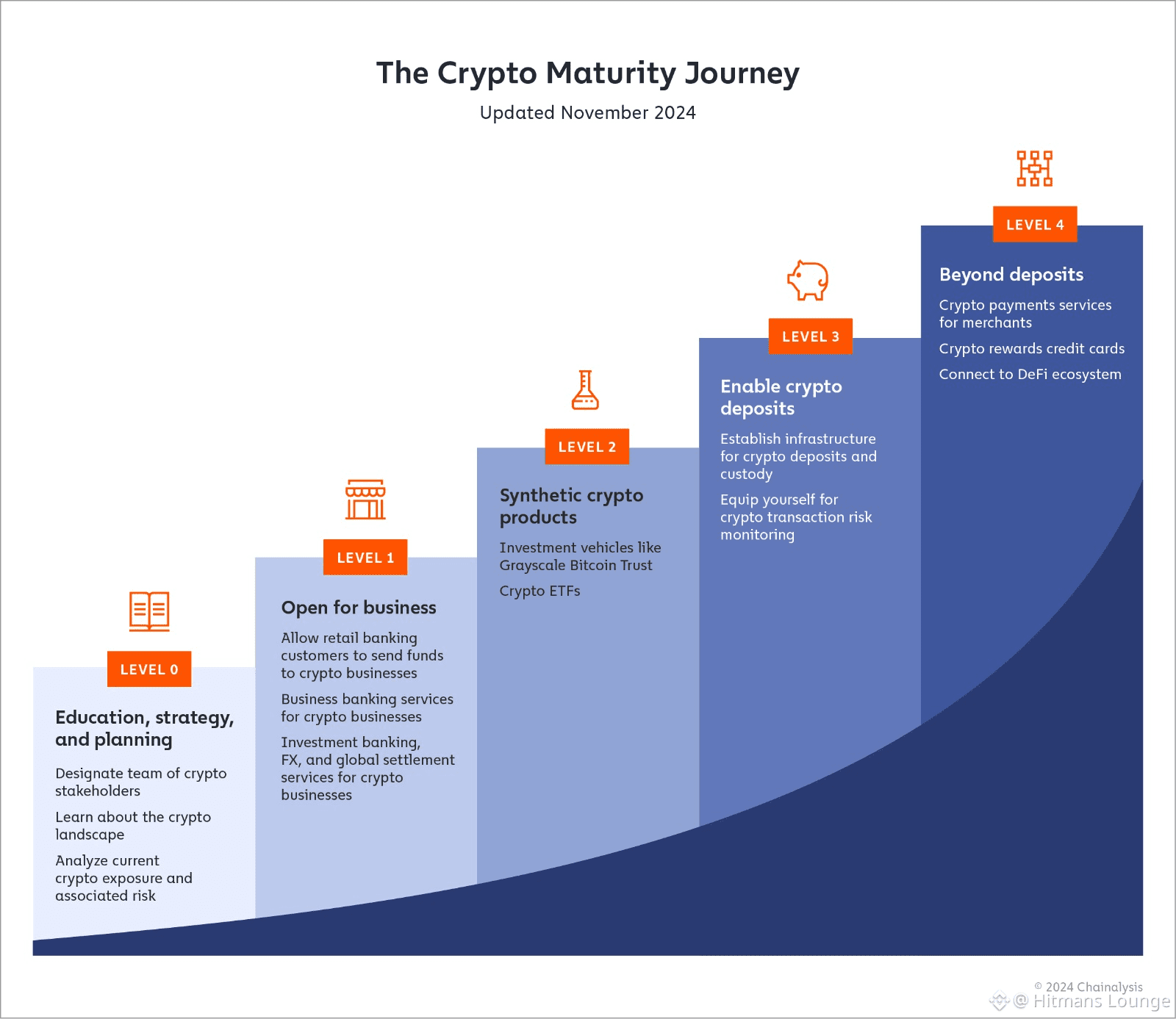
From an adoption perspective, blockchains that support scalable applications tend to gain relevance as ecosystems mature 📈. The market often underestimates these projects early because their value is not immediately visible through short-term metrics ⏳📉.
Vanar’s approach reflects a long-term mindset 🧠. Rather than competing on narratives 🗣️, it competes on capability 💪.
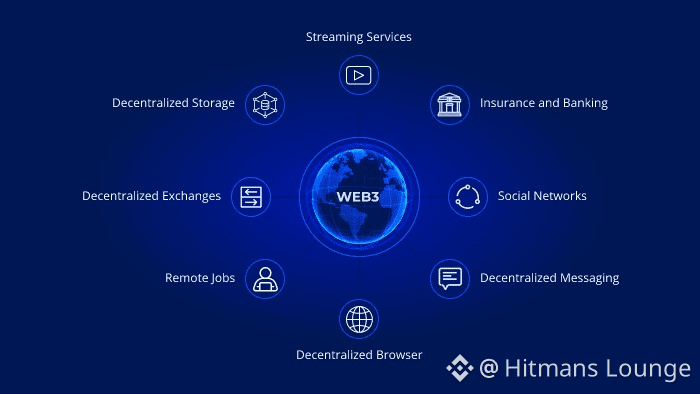
As Web3 expands into mainstream digital experiences 🌐, infrastructure that supports seamless interaction will define which networks endure 🛣️. Vanar’s focus suggests preparation for that environment 🧩.
Understanding such projects early is less about prediction 🔮 and more about recognizing structural alignment with future demand 📊.
Vanar Chain’s relevance increases as Web3 moves from experimentation toward large-scale user adoption 🚀📈.
