
And Why Dusk Is Quietly Becoming Essential
Tokenizing real-world assets isn’t a new idea.
What is new is doing it in a way that real capital can actually trust.
Most RWA narratives in crypto stop at the surface: take an asset, wrap it in a smart contract, add a ticker, and call it progress. But markets don’t move on slogans. Institutions don’t deploy capital because something is “on-chain.” They move when systems respect the rules finance already lives under.
That’s where Dusk fundamentally differs.
Dusk doesn’t start with hype or retail liquidity. It starts with reality: regulated assets, institutional workflows, and the non-negotiable need for confidentiality.
The Real Problem With RWAs Isn’t Tokenization It’s Trust
Securities, equities, bonds, and structured products already move trillions of dollars globally. The challenge isn’t creating digital versions of these assets. The challenge is moving them without breaking compliance, exposing sensitive data, or turning markets into surveillance machines.
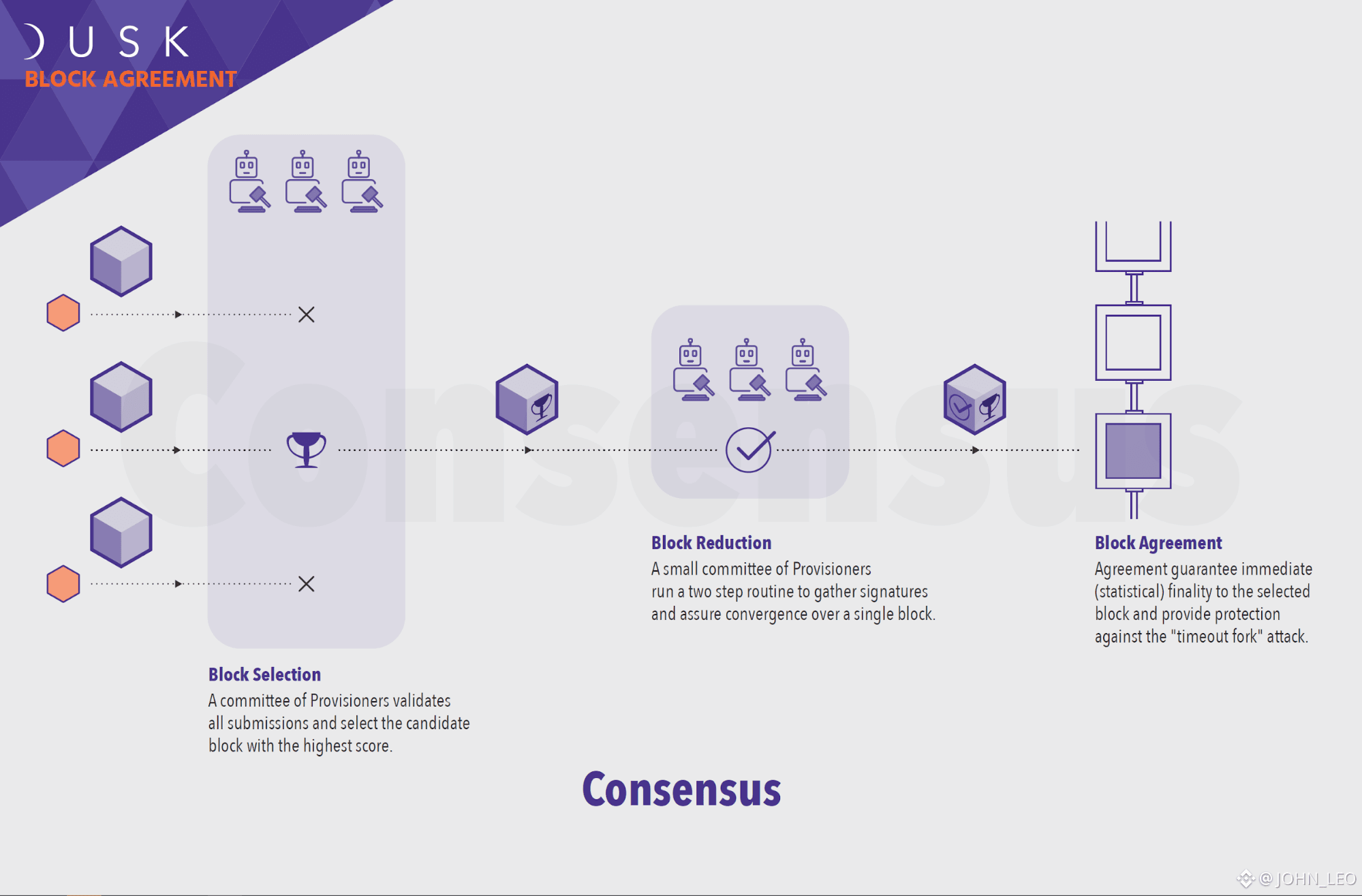
Public blockchains struggle here.
Transparency is powerful for simple value transfers, but in capital markets it becomes a liability. Public balances reveal positions. Public transactions expose counterparties. Public order books leak strategies. None of this is acceptable in environments where information asymmetry is the edge.
Institutions haven’t avoided public DeFi because they’re slow or uninformed. They’ve avoided it because it violates how markets function.
Dusk understands this.
Privacy That Serves Markets Not Anonymity
Dusk is built for confidential transactions with selective disclosure. This isn’t privacy for hiding. It’s privacy for operating.
Participants can prove compliance without revealing sensitive data. Transactions can be validated without exposing positions. Regulators can audit when required, without turning financial activity into public spectacle.
This is the missing layer most RWA platforms ignore.
Real markets depend on confidentiality. Pricing strategies, ownership structures, capital flows these are competitive advantages, not public goods. Dusk doesn’t ask institutions to “get comfortable” with transparency. It redesigns the rails so transparency is applied only where it’s legally and operationally required.
Infrastructure, Not Narratives
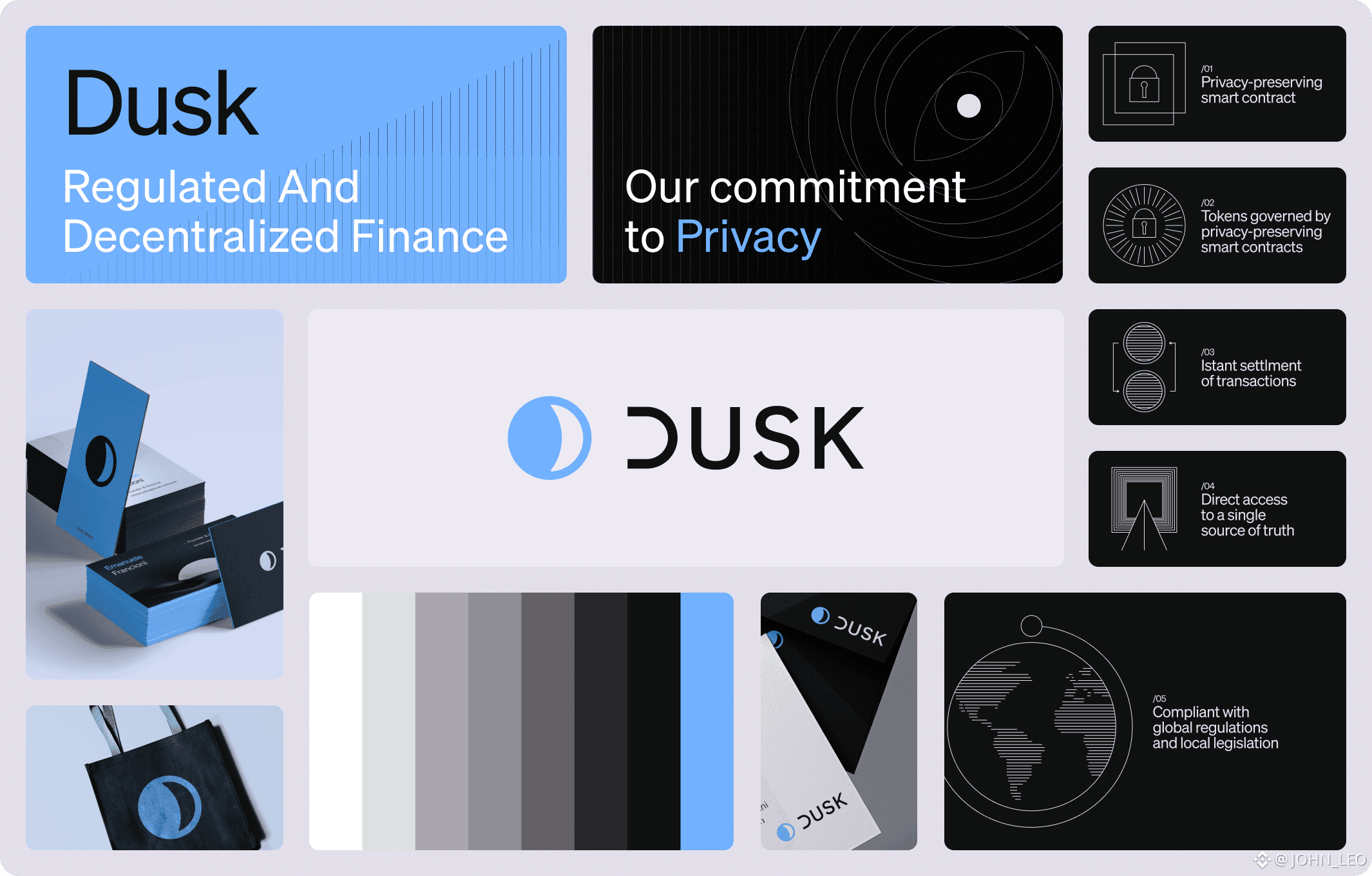
Dusk isn’t trying to be everything. It isn’t chasing meme cycles or retail engagement metrics. It’s positioning itself as settlement infrastructure for tokenized securities.
That means:
Predictable execution
Legally meaningful ownership
Privacy-preserving compliance
Final, deterministic settlement
Instead of onboarding assets one by one, Dusk focuses on enabling entire financial workflows on-chain: issuance, trading, settlement, and corporate actions all within a framework institutions already recognize.
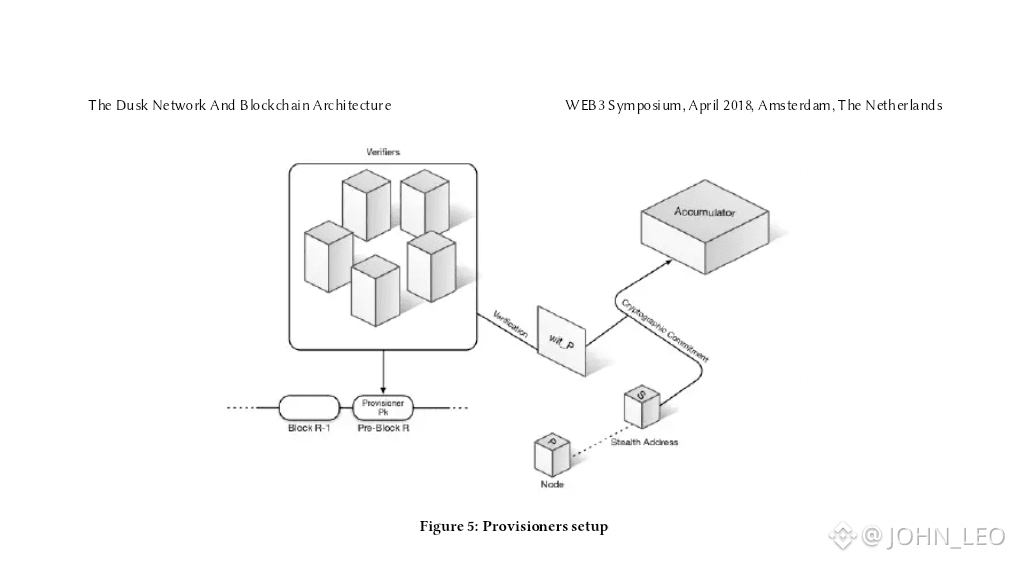
This is why Dusk scales differently. Not louder. Not faster. More structurally.
Where RWAs Actually Create Value
RWAs aren’t for fast trades or short-term narratives. They exist because capital wants efficiency without losing control.
Institutions don’t wake up wanting decentralization. They want:
Lower settlement risk
Fewer intermediaries
Faster reconciliation
Programmable compliance
Dusk speaks that language fluently.
One of the most overlooked problems in finance is post-trade settlement. Traditional markets still operate on T+2 or longer cycles, locking up capital and introducing counterparty risk. On-chain settlement promises instant finality but only if privacy and legal enforceability are preserved.
Dusk enables exactly that.
Identity, Permissioning, and Legal Reality
In real markets, access is conditional. Jurisdictions matter. Investor classifications matter. Compliance isn’t optional.
Dusk enables cryptographic proof of eligibility without turning the network into a closed database. Participants can transact privately, remain compliant, and still operate on a decentralized infrastructure.
This isn’t “blockchain plus privacy.”
It’s financial logic encoded at the protocol level.
Privacy that protects market integrity
Compliance that’s programmable
Settlement that’s final
Ownership that’s legally enforceable
That combination is what allows serious assets to move on-chain without becoming liabilities.
Why Dusk’s Progress Looks Quiet And Why That Matters
Infrastructure adoption never looks explosive. It moves at the pace of trust.
Issuers don’t migrate assets casually. Custodians don’t switch rails lightly. Once a compliant, privacy-preserving settlement layer proves reliable, it becomes sticky. That’s how financial infrastructure wins — not through user counts, but through institutional confidence.
Over time, this changes the RWA conversation entirely. The question stops being “Which assets are tokenized?” and becomes “Which chains can safely handle them?”
Dusk is positioning itself to answer that question.
Not by promising a new financial system but by making the existing one compatible with on-chain settlement without exposing it, fragmenting it, or breaking the rules it already lives under.
The Bottom Line
Most public blockchains are structurally incompatible with real capital markets.
Dusk doesn’t fight that reality. It builds around it.
And that’s why Dusk isn’t just another RWA project.
It’s infrastructure for markets that are ready to modernize without sacrificing privacy, trust, or regulation.
That’s not hype.
That’s how real money moves.
