
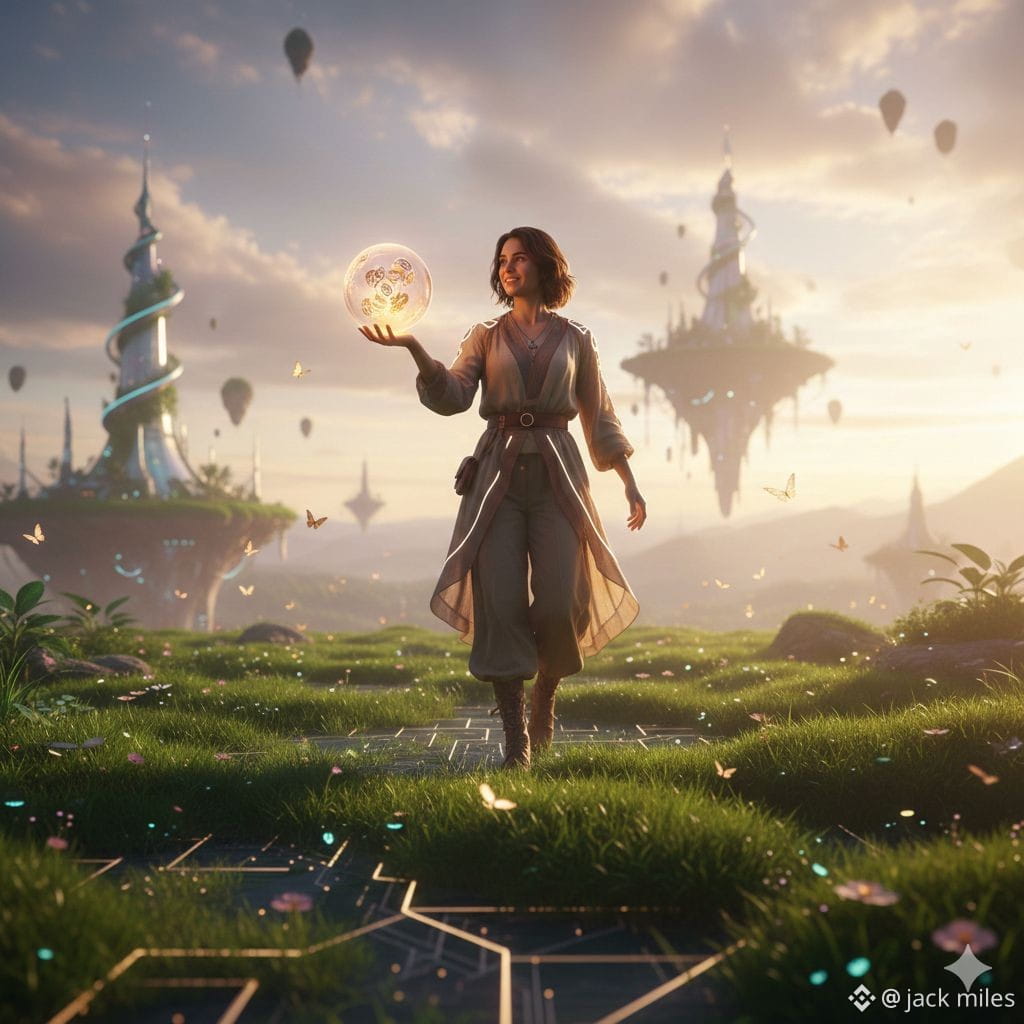
 There is a quiet frustration that millions of people feel but rarely put into words, the feeling of standing outside the future looking in, hearing that Web3 is revolutionary yet discovering that wallets are confusing, fees are unpredictable, and the experience feels nothing like the smooth digital worlds they already love, and it is exactly in this emotional gap between promise and reality that Vanar was born, shaped by builders who came from games, entertainment, and global brand ecosystems where success depends on how something feels rather than how impressive it sounds, people who understood that if technology does not respect human attention, emotion, and simplicity, it will never reach billions, so instead of building a chain that demands to be noticed, they set out to build one that disappears into the background while empowering the experiences people actually care about.
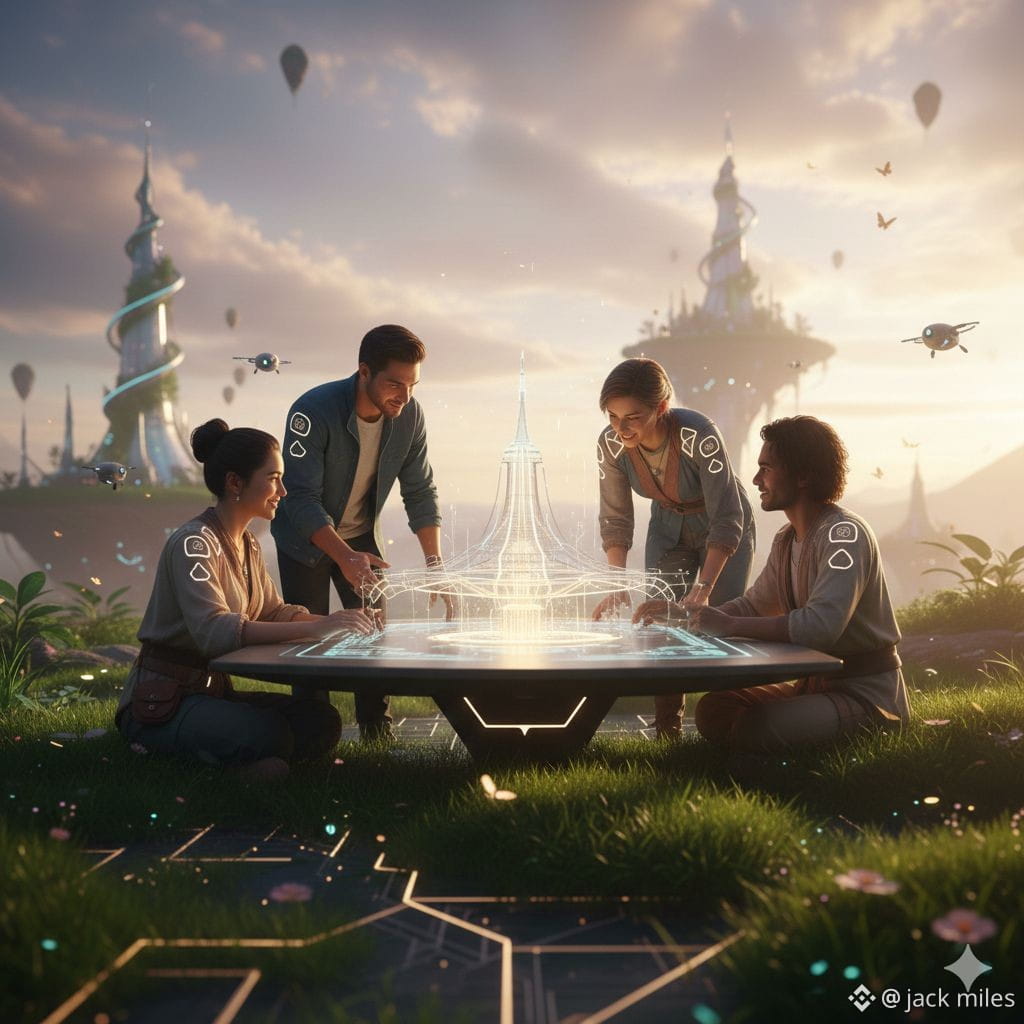 At its heart Vanar is driven by a deeply human purpose, which is to make the next era of the internet feel welcoming instead of intimidating, turning blockchain from a barrier into a silent supporter of creativity, play, identity, and community, and this purpose comes alive through living ecosystems like Virtua Metaverse and the VGN games network, where users can explore worlds, play, connect, and own digital items without being forced to think about the machinery underneath, because the philosophy is simple but powerful, people should feel wonder before they feel complexity, ownership should feel natural instead of technical, and participation should feel like opportunity instead of risk, which transforms blockchain from a financial tool into emotional infrastructure for digital life.
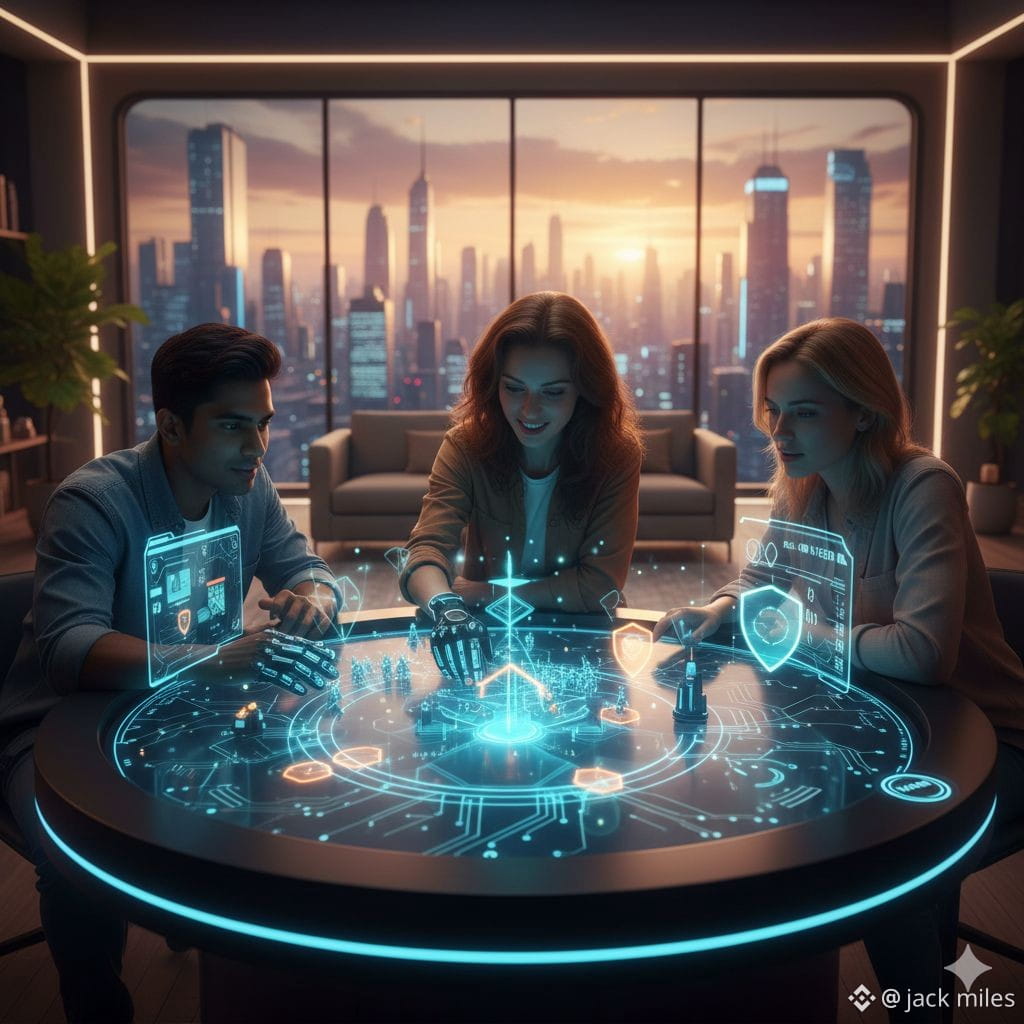 Technically this vision is supported by deliberate design choices that aim to remove friction rather than add novelty, as Vanar operates as a Layer 1 network built for speed, scalability, and developer accessibility, with EVM compatibility that allows existing tools and applications to migrate more easily, performance optimizations that support real time interactive environments, and architectural decisions that consider AI integration and rich data use cases, all of which matter because games, immersive spaces, and intelligent systems demand responsiveness that feels instant and reliable, and when these technical foundations work correctly the user does not notice the chain, they only notice that their assets persist, their identity travels with them, and their interactions have real value, which is exactly the emotional outcome the design is trying to achieve.
 The VANRY token plays a role that is less about speculation and more about alignment, connecting validators who secure the network, developers who build experiences, and users who participate in these digital worlds, forming an economic layer that rewards contribution and supports ecosystem growth, yet even here the human angle remains central, because the goal is not to overwhelm people with token mechanics but to ensure that the systems behind the scenes are sustainable, secure, and capable of supporting vibrant digital economies where creators are paid fairly and communities share in the value they help generate.
Looking ahead the future of Vanar carries both hope and uncertainty, as the team pushes toward deeper AI integration, richer immersive environments, and broader partnerships with brands and creators, imagining a world where intelligent agents, virtual spaces, and user owned assets blend into everyday digital experiences, but this path is not free of risk since competition among high performance blockchains is intense, regulations around digital ownership are still evolving, and mainstream audiences will reject anything that feels forced or confusing, which means success depends not only on engineering but on empathy, design discipline, and the ability to keep technology in service of human experience rather than the other way around.
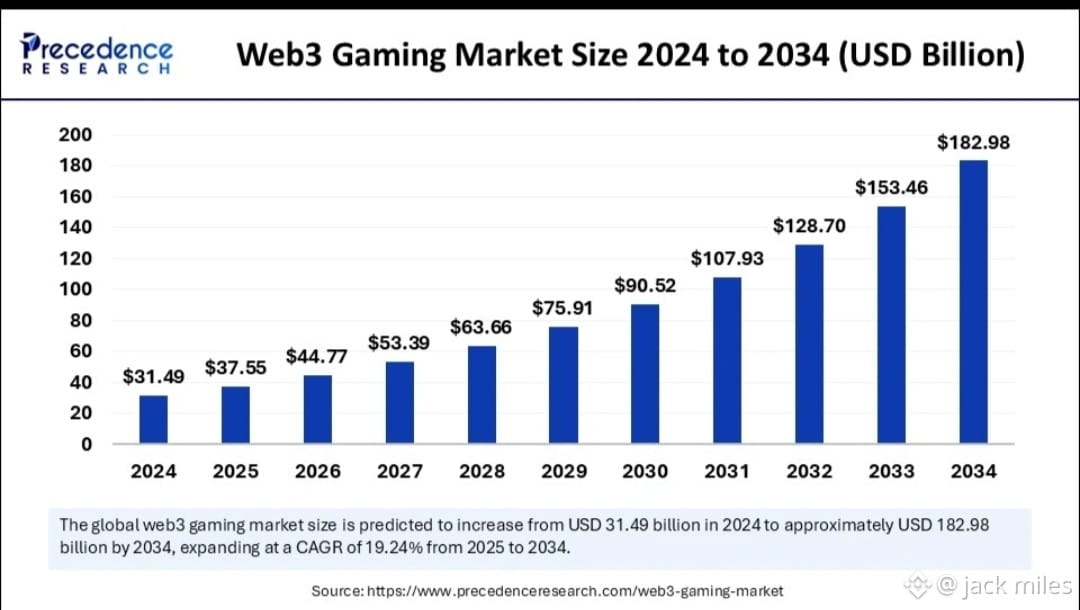 The possibility, however, is powerful enough to chase, because if Vanar succeeds the result is not just another blockchain but a shift in how people relate to the digital world, where gamers truly own what they earn, creators build economies around their imagination, brands create spaces people want to return to, and AI driven experiences feel personal and alive, all supported by infrastructure that is almost invisible, and that is the emotional core of the vision, a future where technology steps back so human creativity, connection, and ownership can step forward.
