
 Something changed in the world before most people had the language to explain it, because while headlines argued about prices and speculation, ordinary people quietly started choosing speed over permission, certainty over paperwork, and digital dollars over fragile local systems, and in that quiet shift stablecoins stopped being a crypto feature and became a lifeline, a payroll rail, a survival tool, a way for a daughter working abroad to send value home in minutes instead of days, a way for a small business to protect its working capital from inflation, and a way for institutions to move liquidity across borders without the drag of legacy intermediaries, yet the uncomfortable truth beneath this progress is that the infrastructure carrying this new financial bloodstream was never designed specifically for the job, because most blockchains were built as general laboratories for decentralized computation rather than as high performance monetary highways, and that gap between how money is actually being used and how networks are actually built is the emotional and technical space where Plasma is born, not as another experiment but as a response to a very human need for money that simply works.
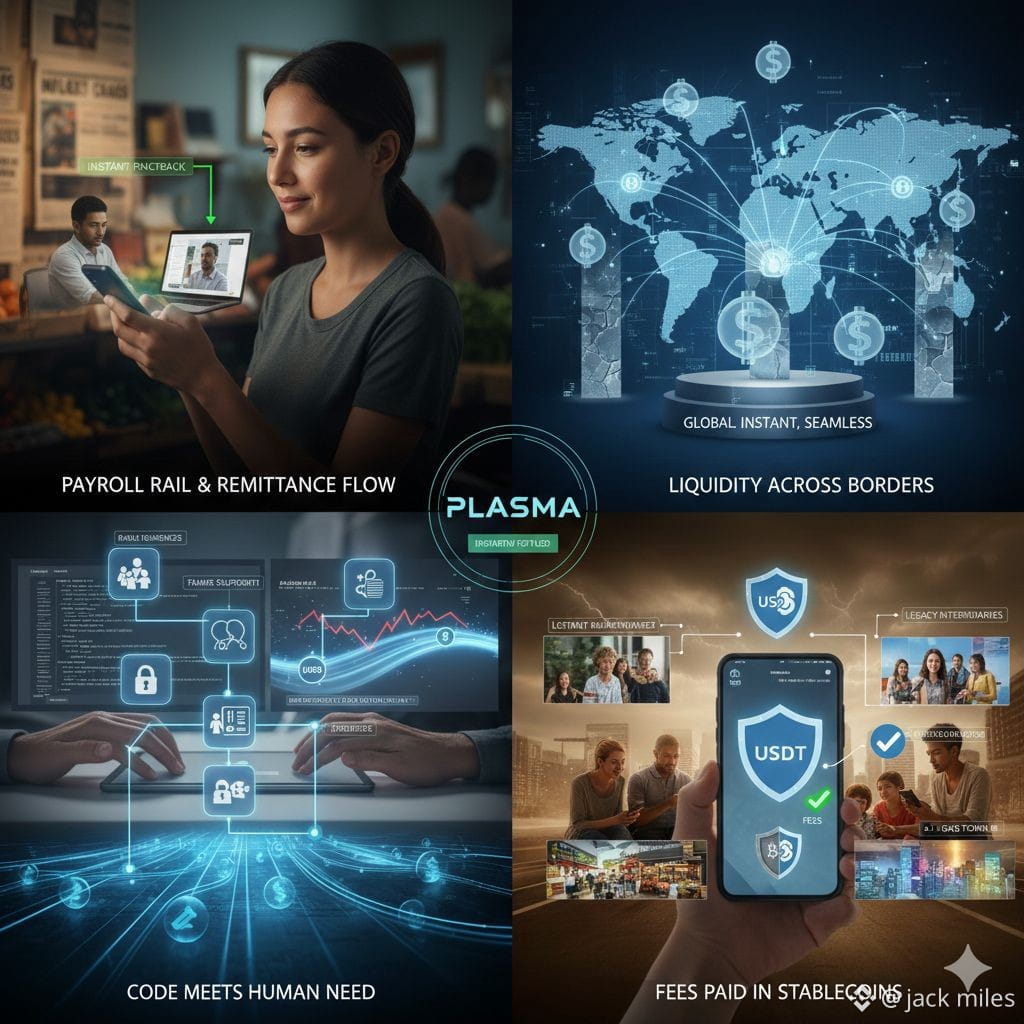 Plasma’s purpose is rooted in empathy as much as engineering, because when someone is sending rent, salaries, or supplier payments, the product is not decentralization theory but confidence, clarity, and immediacy, which is why Plasma treats stablecoins as the main characters instead of side tokens, recognizing that for millions of users the journey into crypto did not begin with governance or collectibles but with digital dollars that feel stable in a world that often is not, and this purpose translates into a design philosophy where friction is the enemy, waiting is a cost, and complexity is a barrier that silently excludes the very people this technology claims to help, so the chain is shaped around the simple emotional truth that moving money should not require learning a new financial language or buying a special token just to press send.
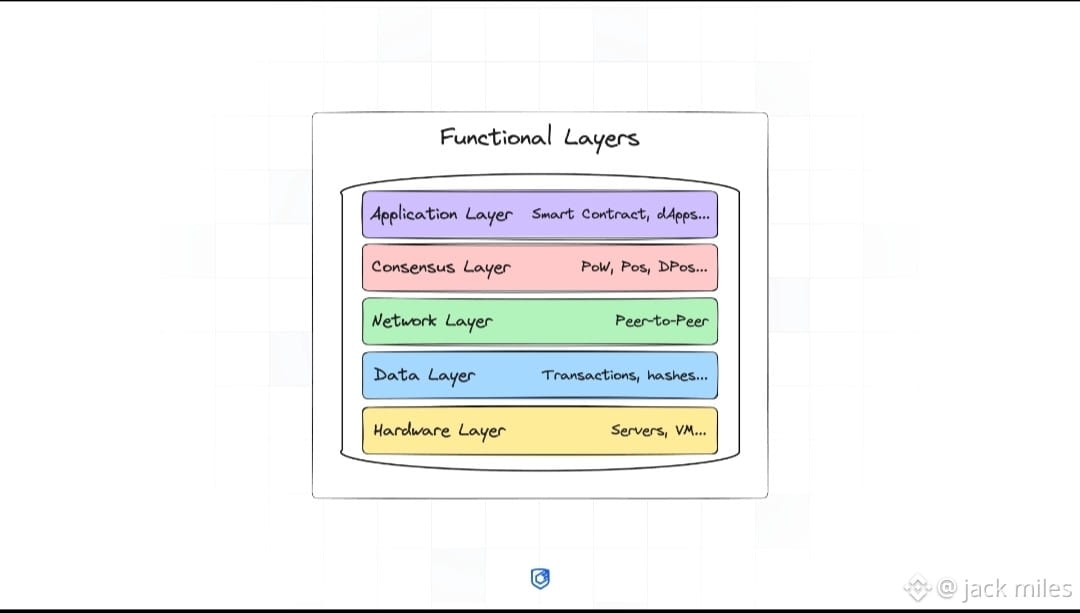
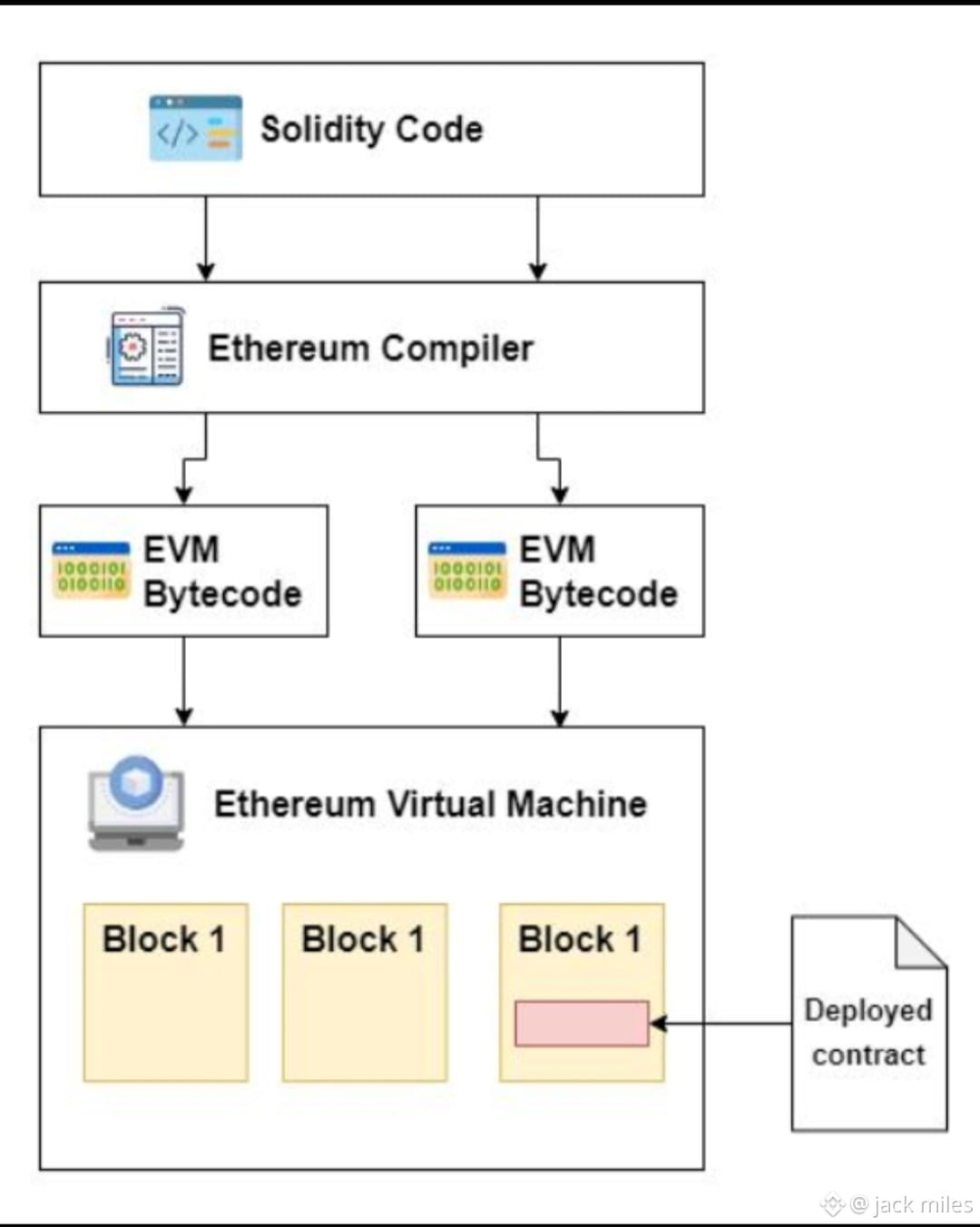
On the technical side Plasma blends familiarity with specialization so builders feel at home while users feel the difference, because it maintains full compatibility with the Ethereum ecosystem through an EVM environment powered by modern execution architecture like Reth, which means existing smart contracts, tools, audits, and developer knowledge transfer smoothly without painful rewrites, but underneath that familiar surface the heartbeat is different, driven by PlasmaBFT consensus engineered for extremely fast deterministic finality so transactions settle in a way that feels closer to a real time payment switch than a traditional blockchain, and this matters emotionally as much as technically because every second of waiting chips away at trust while instant confirmation restores the simple feeling that your money is truly yours the moment you send it.
 Where Plasma truly humanizes the experience is in how it handles fees, because one of the most confusing parts of blockchain for everyday people has always been the need to hold a separate gas token just to move the money they already have, which feels like being told you need a different currency to open your wallet, so Plasma introduces stablecoin first gas mechanics and gas abstraction that allow fees to be paid directly in assets like USDT issued by Tether, removing a mental hurdle that has quietly stopped millions from participating, and in doing so it turns a technical improvement into an emotional one by replacing confusion with familiarity and replacing friction with flow, which is often the difference between technology that exists and technology that is actually used.
 Security in Plasma’s story is not framed as bravado but as reassurance, because when the subject is money people care less about novelty and more about durability, so the network aligns its trust model with the resilience narrative of Bitcoin, the most battle tested and censorship resistant settlement layer in the industry, creating a hybrid posture where high performance smart contract execution lives alongside a settlement philosophy anchored in the most neutral base layer available, and this duality speaks to both the emotional need for safety and the institutional need for credible risk frameworks, signaling that Plasma is designed not only for crypto natives but also for banks, fintechs, and payment providers who measure trust in uptime, auditability, and settlement guarantees rather than in slogans.
Looking ahead, Plasma’s future is tied to becoming invisible infrastructure, because the highest form of success for financial rails is not fame but dependence, where wallets, remittance apps, payroll platforms, and payment processors integrate the network so deeply that end users never think about the chain beneath their transfer, and the roadmap naturally points toward deeper liquidity integration, compliance aware tooling, institutional custody bridges, and scaling strategies that preserve speed and reliability under heavy stablecoin demand, all while nurturing a developer ecosystem that can build consumer friendly applications without wrestling the underlying infrastructure, since the dream is not to impress developers with complexity but to empower them to deliver simplicity to the world.
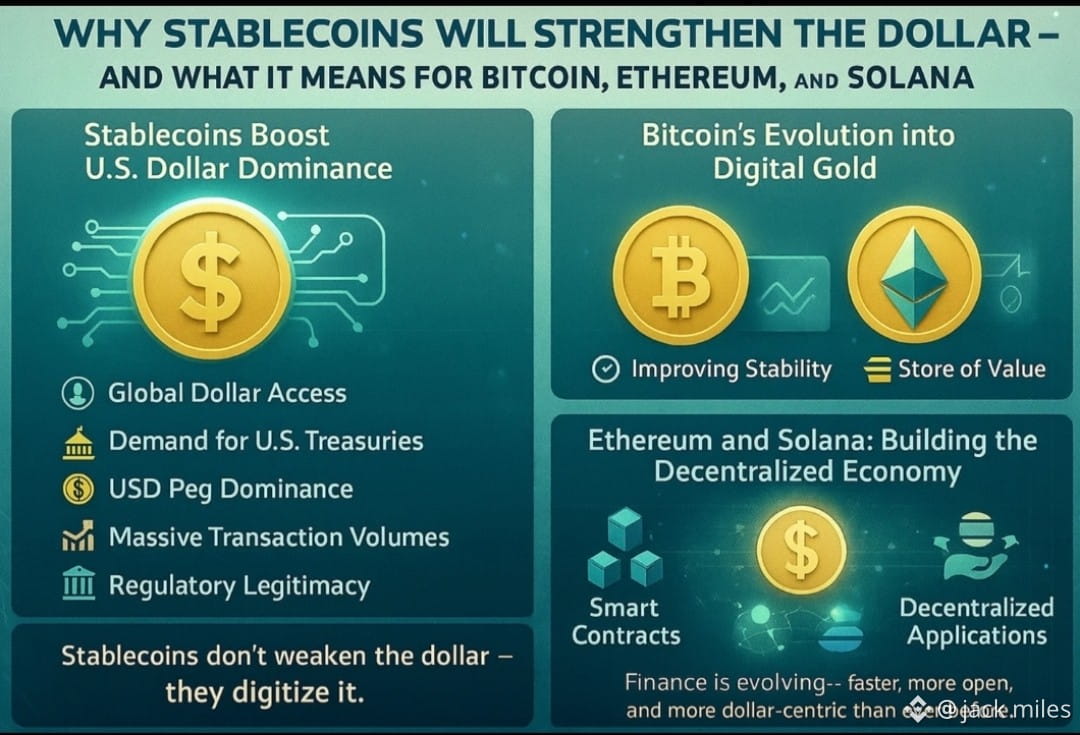 The risks are real and Plasma’s story does not ignore them, because specializing in stablecoins means living alongside evolving regulation, issuer concentration, and macroeconomic forces, while pushing for extreme performance requires careful validator design to avoid centralization and meticulous security work to ensure gas abstraction and paymaster models cannot be abused, and there is also competitive pressure from both legacy giants like Visa and other high speed chains chasing the same narrative of programmable money, which means Plasma’s path forward depends on discipline, transparency, and continuous hard engineering rather than hype cycles.
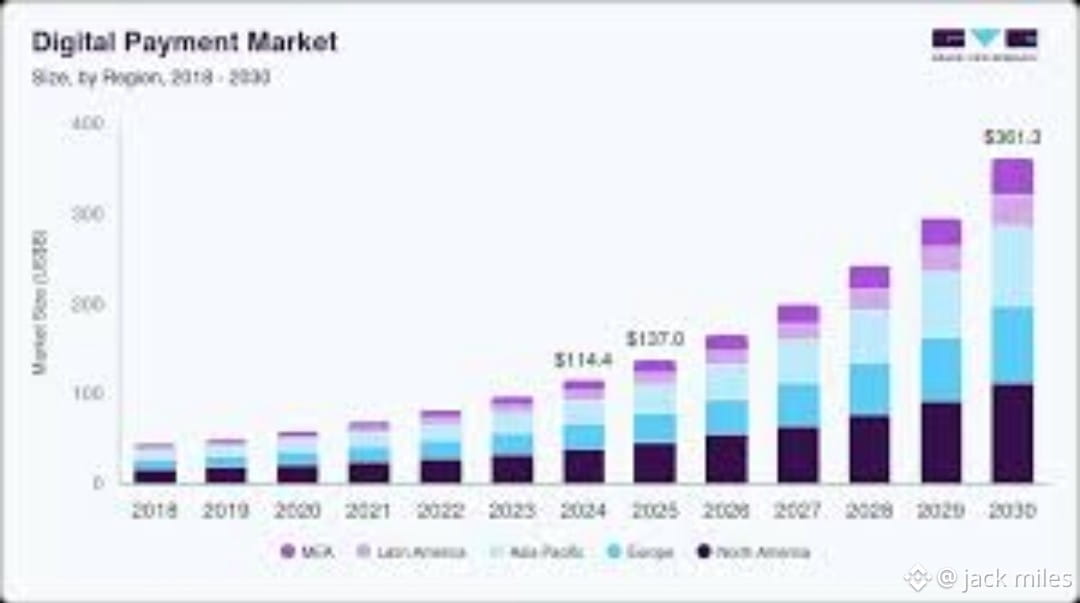 Yet the possibilities if Plasma succeeds are deeply human, because lowering the cost and complexity of moving digital dollars can mean faster help for families, more stable operations for small businesses, smoother global trade for institutions, and a financial system that feels a little less distant and a little more responsive, and in that future Plasma would not be remembered as just another chain launch but as a network that understood that stability is power, that speed is dignity, and that the true killer app of blockchain is not speculation but the simple ability for people everywhere to move the money they depend on with confidence, clarity, and control.

