
The longer I hang around crypto, the more I notice something funny. The projects that matter most long term are usually the least flashy. Everyone gets excited about apps and tokens that move fast, but the real bottlenecks live underneath. Storage is one of those boring-but-critical layers. And that’s exactly why Walrus Protocol keeps pulling me back in.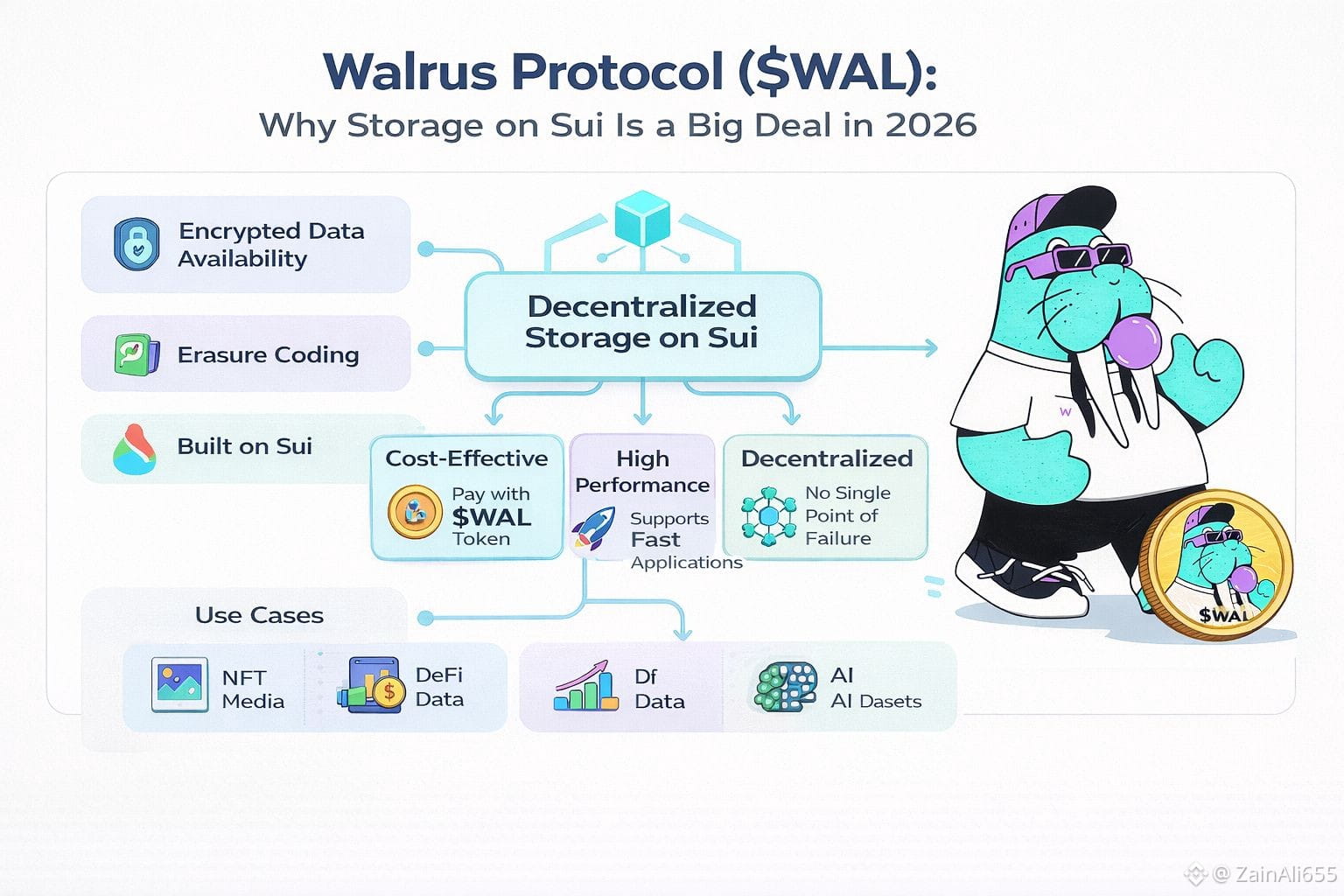
Walrus is a decentralized storage and data-availability protocol built on the Sui. What makes it feel more real lately is that it’s no longer just an idea people talk about on x. It’s live, it’s part of the Sui ecosystem, and developers are actually starting to treat it like infrastructure instead of an experiment. The basic idea isn’t complicated. Walrus takes large files NFT media, game assets, AI datasets, app logs breaks them into encrypted blobs, and spreads them across a decentralized network. It uses erasure coding, which basically means you don’t need every piece to recover the data. Lose a few nodes? No big deal. The file is still there. No single node has the full picture, and that’s kind of the point.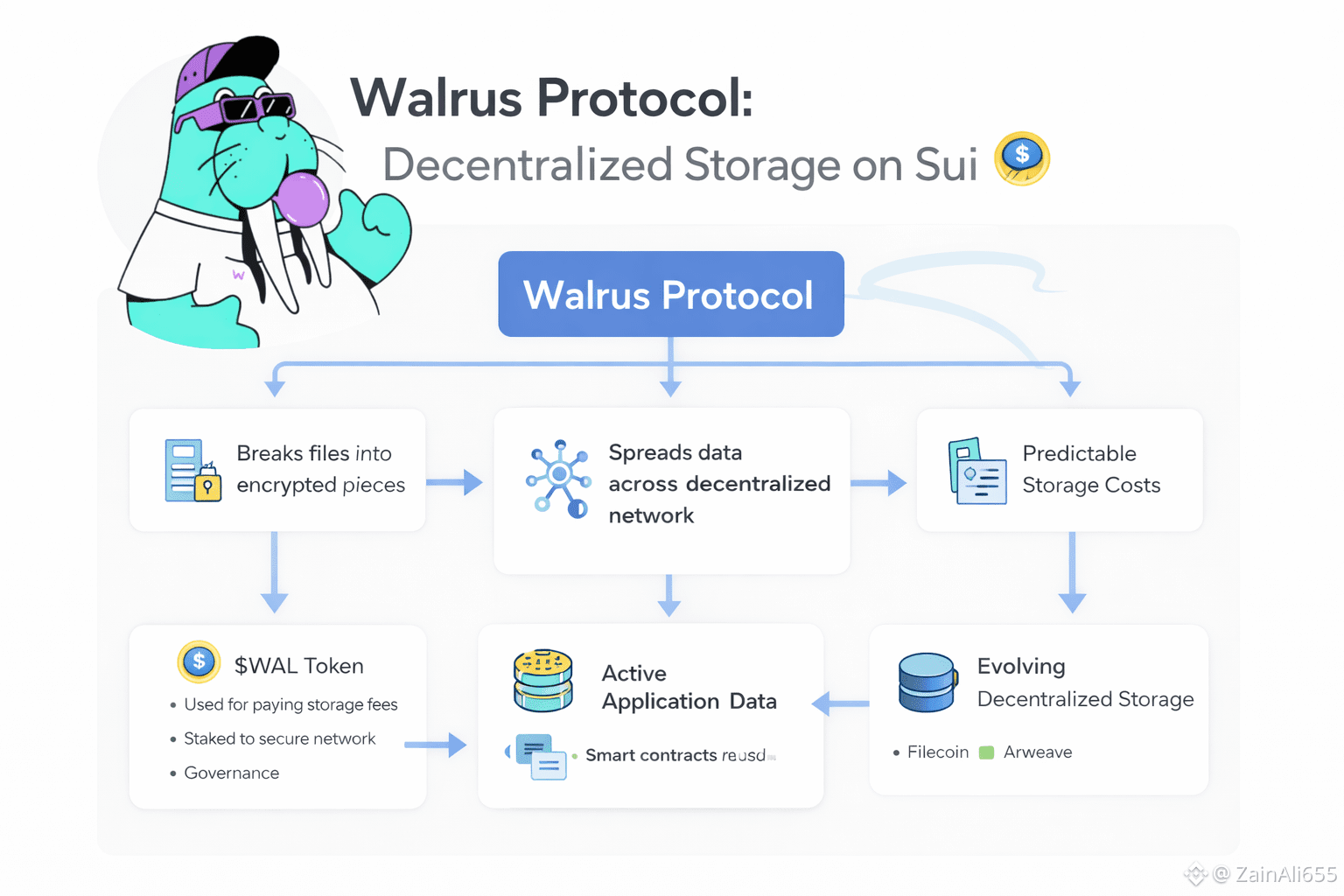
What’s changed recently is how Walrus is being used. More builders on Sui are starting to rely on it as a default storage layer, not just a backup option. That includes apps dealing with heavy media, data-hungry DeFi tools, and early AI-style use cases that need decentralized data without insane costs. That shift sounds small, but it’s actually a big signal. Infrastructure only matters once people quietly depend on it. The $WAL token fits naturally into all of this. You use it to pay for storage, you can stake it to help secure the network, and it’s used for governance. One detail I really like is how Walrus thinks about pricing. The protocol is designed to keep storage costs relatively predictable, so builders aren’t constantly doing math every time the token price moves. It’s not sexy, but it’s exactly what serious teams want.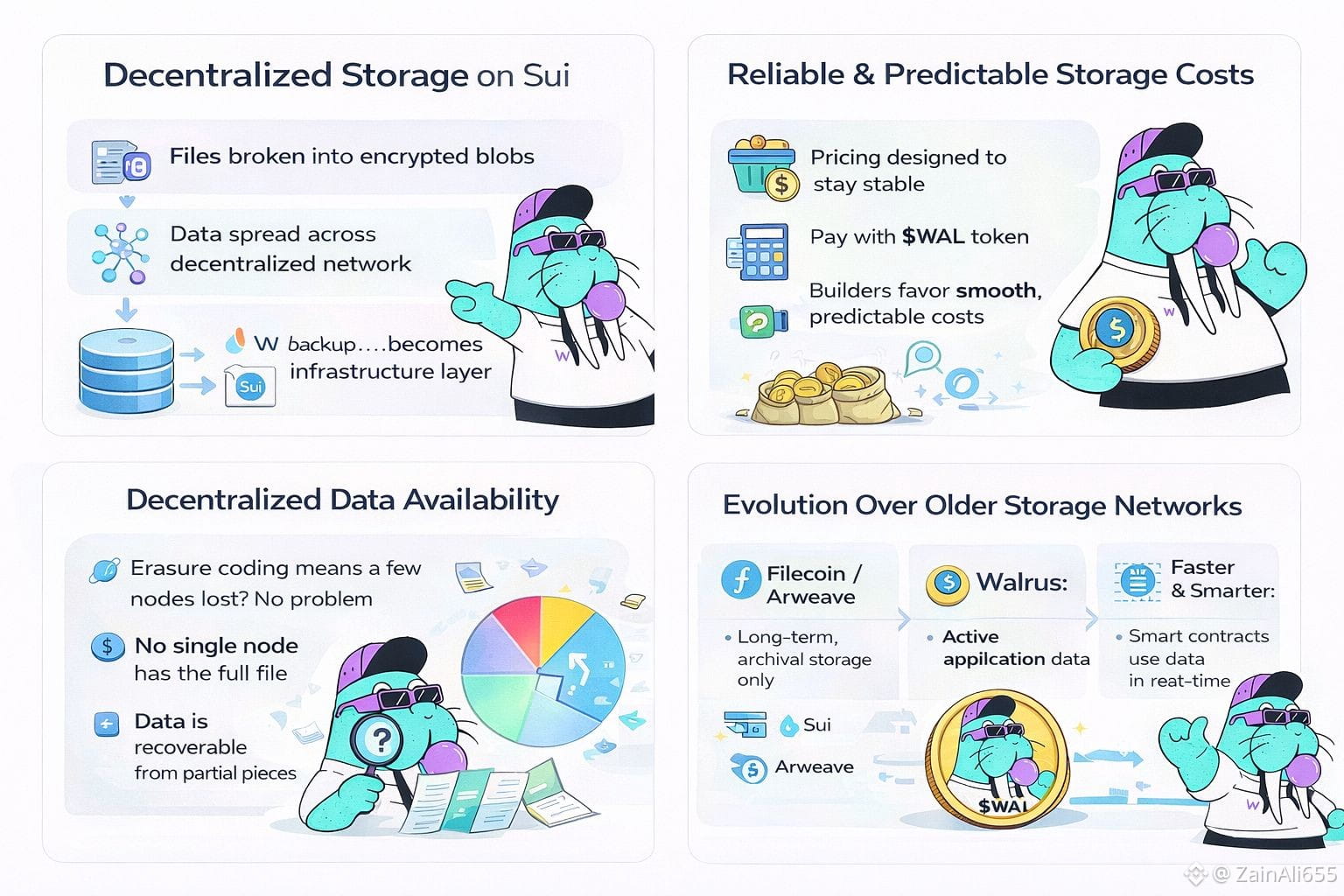
From a market angle, @Walrus 🦭/acc still trades with solid liquidity and sits in that middle ground of infrastructure tokens big enough to be taken seriously, but not so big that everything feels priced in. More importantly, attention around it hasn’t completely detached from real usage. That usually tells me there’s something real underneath the price action. When I compare Walrus to older decentralized storage networks like Filecoin or Arweave, I don’t see a rivalry. I see an evolution. Those protocols focused a lot on long-term or archival storage. Walrus feels designed for active application data, especially with Sui’s fast execution model. Data stored on Walrus isn’t just sitting there. Smart contracts can reference it, verify it, and actually use it in real time.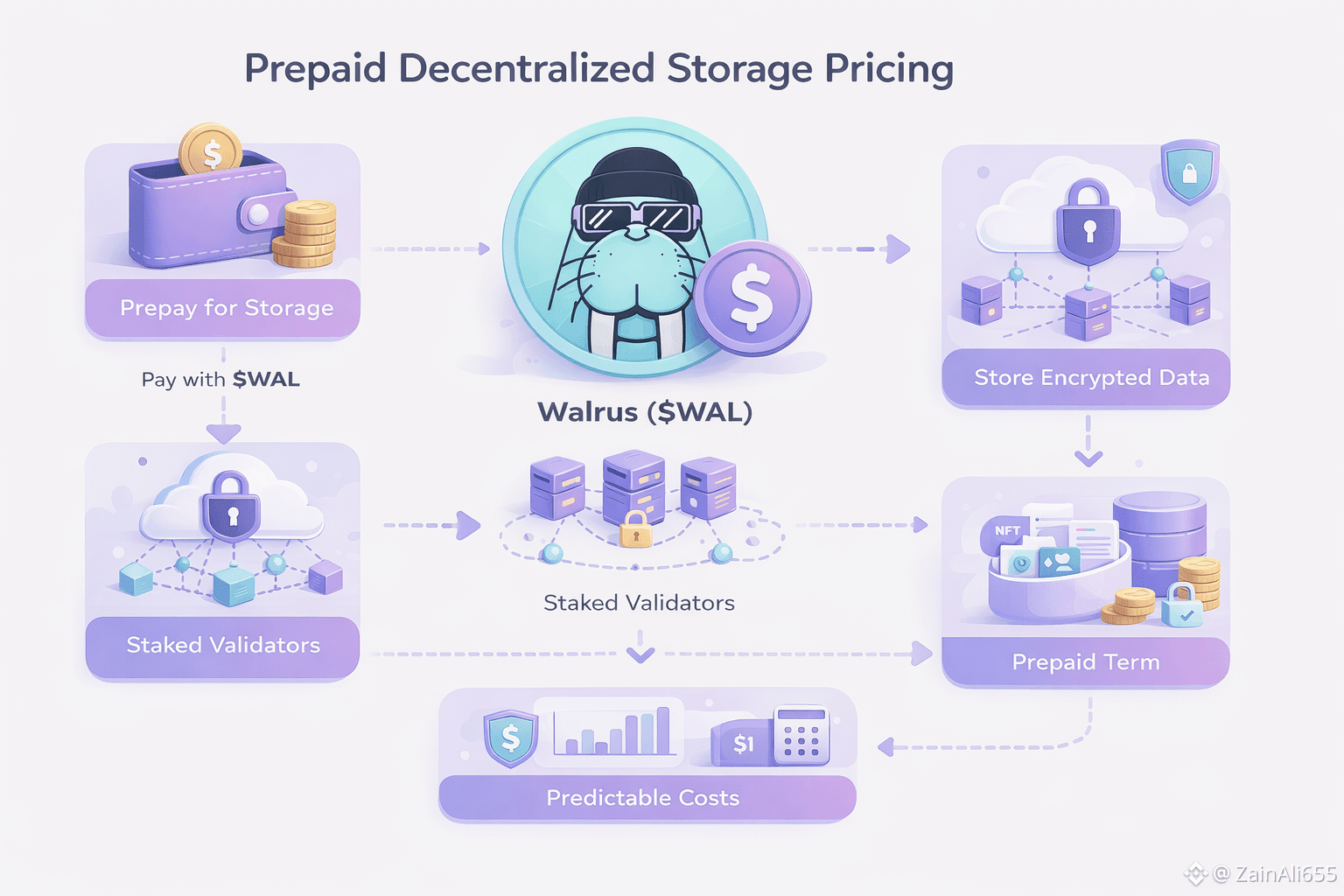
Of course, there are risks. Developers are comfortable with centralized cloud services, and switching infrastructure always takes time. Walrus is also tied closely to Sui’s growth. If the Sui ecosystem slows down, Walrus adoption probably does too. And like any infrastructure token, #walrus only works long term if real storage demand keeps growing. Still, the bigger picture feels pretty clear. Data privacy rules are tightening. Outages are expensive. Apps are getting more data-heavy every year. In that world, decentralized storage stops being a nice philosophy and starts becoming practical infrastructure.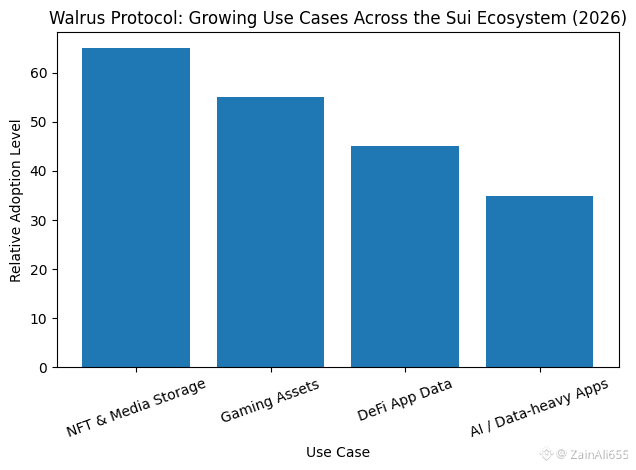
I’m not watching Walrus for quick hype. I’m watching it because it feels like one of those layers people won’t think about until they suddenly rely on it everywhere.



