
THE FED IS TALKING ABOUT THE YEN AGAIN — AND HISTORY TELLS US WHAT COMES NEXT
Most people have never heard of the Plaza Accord.
That’s a problem.
Because the last time the United States coordinated a currency reset with its allies, it quietly changed the global financial system.
And we may be approaching a similar moment again.
WHAT ACTUALLY HAPPENED IN 1985
In the early 1980s, the U.S. dollar became too strong.
- American exports suffered.
- Factories lost competitiveness.
- Trade deficits ballooned.
Political pressure built quickly.
Instead of letting tariffs tear the system apart, the U.S. took a different route.
In 1985, the United States, Japan, Germany, France, and the U.K. met at the Plaza Hotel in New York.
They agreed to weaken the dollar — deliberately.
Not with speeches.
With action.
They sold dollars and bought other currencies together.
Markets didn’t resist.
They followed.
THE RESULT WAS A MONETARY RESET
Over the next few years:
• The dollar index fell by nearly half
• The Japanese yen strengthened dramatically
• USD/JPY collapsed from extreme levels
• Global asset prices surged in dollar terms
Gold rose.
Commodities rose.
Non-U.S. assets outperformed.
Not because of growth.
Because the measuring stick changed.
WHY THE YEN MATTERS AGAIN TODAY
Fast forward to now.
The U.S. still runs persistent trade deficits.
Currency imbalances are extreme.
Japan is under pressure from a weak yen.
And recently, U.S. monetary authorities signaled they are monitoring USD/JPY closely — the same early step taken before past intervention.
No coordinated action has been announced.
But markets don’t wait for press releases.
They remember patterns.
My rich dad taught me:
“When governments coordinate currencies, prices don’t fall — they reset.”
You don’t see it immediately.
You feel it later:
• In higher asset prices
• In higher commodity costs
• In lower purchasing power
Currency intervention doesn’t destroy value.
It moves it.
WHY THIS MATTERS TO INVESTORS
If major economies begin guiding exchange rates again, every asset priced in dollars gets repriced.
Not because assets suddenly improved.
Because the dollar measures less.
That’s how silent inflation works.
THE REAL TAKEAWAY
Most people watch markets.
Smart investors watch policy history.
The Plaza Accord wasn’t an accident.
It was a reminder that money is managed — not neutral.
And when currencies shift, wealth moves with them.
The question isn’t whether intervention happens.
The question is who is positioned before it does.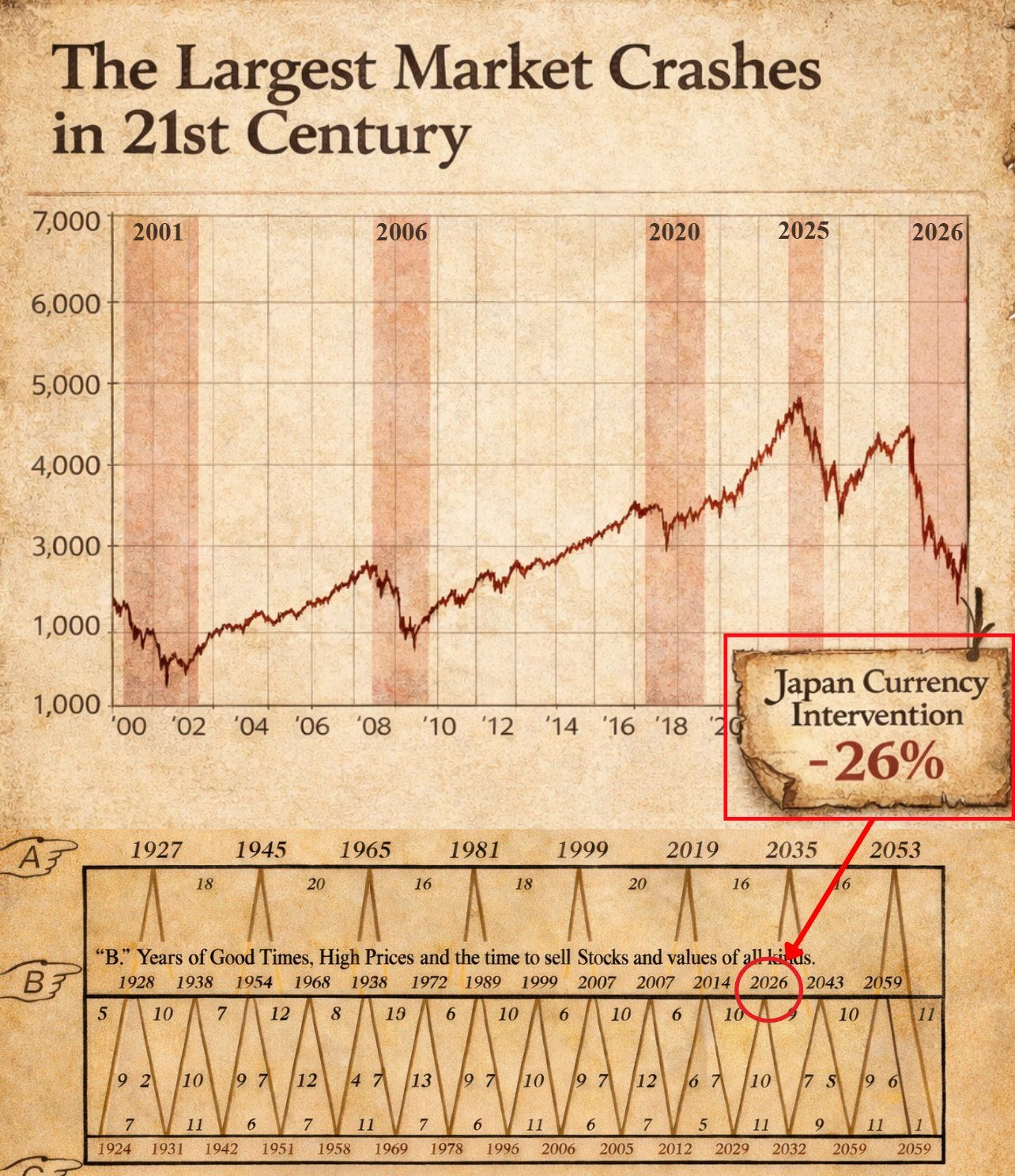
#Binance #Write2Earn #Write2Earn! #StrategyBTCPurchase #FedWatch

