Walrus (WAL) is not simply another digital token entering an already crowded blockchain landscape. It represents a response to something many users quietly feel but rarely articulate: a loss of control over privacy, data, and ownership in modern digital systems. As blockchain technology matures, expectations have shifted. People are no longer impressed by decentralization alone. They want infrastructure that feels secure, respectful, and genuinely built around users rather than platforms. Walrus is designed with that emotional and practical reality in mind.
At the heart of the Walrus protocol is a strong commitment to privacy-preserving interactions. Public blockchains have offered transparency, but often at the expense of personal and organizational confidentiality. Walrus takes a more human-centered approach, allowing users to interact with decentralized applications, participate in governance, and stake assets without exposing sensitive data unnecessarily. This creates a sense of digital safety, restoring confidence for users who want transparency without vulnerability and participation without constant exposure.
The protocol’s approach to data storage deepens this sense of trust. In the traditional digital world, data is commonly stored on centralized servers, making it susceptible to outages, censorship, and unilateral control. Walrus replaces this fragile model with a decentralized storage framework that distributes large files across a network using erasure coding and blob storage. This means data is not reliant on a single location or authority. Even if parts of the network fail, information remains accessible and intact. For individuals and enterprises alike, this resilience translates into peace of mind and long-term reliability.
Built on the Sui blockchain, Walrus benefits from a performance-focused foundation designed to scale efficiently. The underlying architecture enables fast execution and consistent costs, even as usage grows. This reliability is more than a technical feature. It shapes how users feel when interacting with the protocol. Smooth performance builds confidence, and predictable behavior fosters trust. Walrus leverages this foundation to support demanding use cases where privacy, speed, and data integrity must coexist.
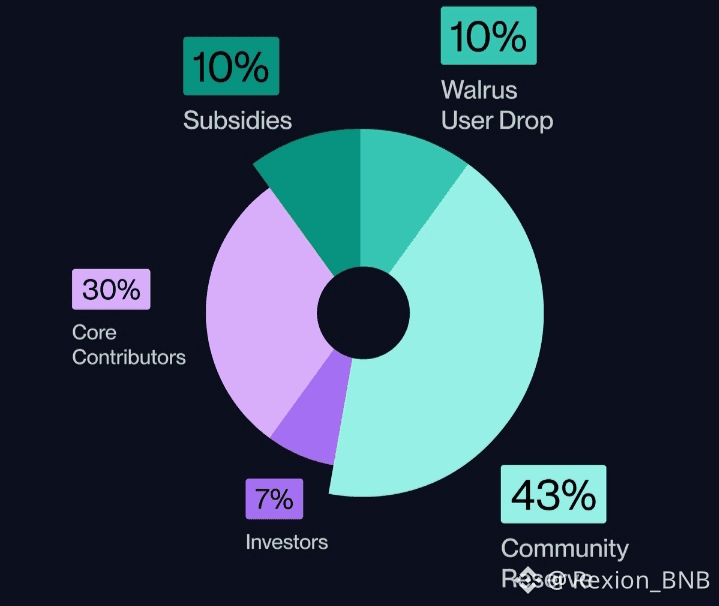
The WAL token plays a vital role in connecting users to the ecosystem. It is used to access storage services, support network security through staking, and participate in governance decisions that guide the protocol’s future. This functional design gives holders a real sense of involvement. Value is not abstract or distant; it is earned through contribution and participation. Users are not passive observers but active participants shaping the system they rely on.
What truly distinguishes Walrus is its integrated vision. Privacy, decentralized finance functionality, and data storage are not treated as separate layers stitched together. They are designed as a single, cohesive system. This makes it easier for developers to build meaningful applications and for users to engage without navigating unnecessary complexity. The result is an ecosystem that feels intentional, balanced, and sustainable.
In closing, Walrus reflects a growing desire for digital infrastructure that respects users and protects their data by design. By combining privacy-focused interaction, resilient decentralized storage, and scalable blockchain performance, it offers more than technical innovation. It offers reassurance. In a digital environment where trust is increasingly fragile, Walrus stands as a step toward rebuilding confidence through thoughtful, user-first design.