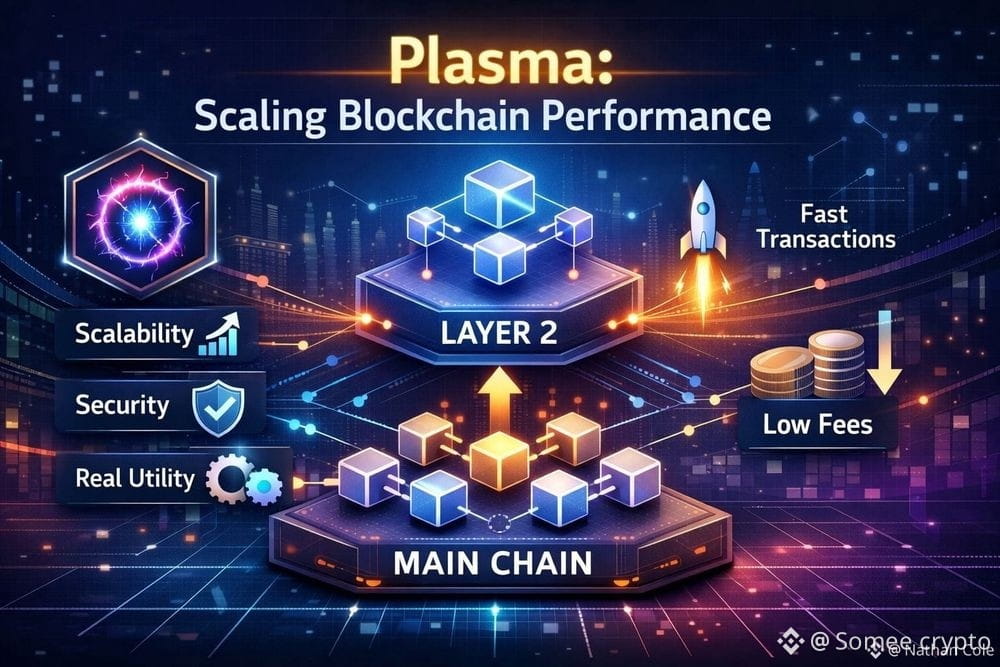
The crypto market today is increasingly driven by real-world use cases rather than speculation alone. As digital assets mature, the demand for reliable payment infrastructure is becoming one of the strongest narratives in the industry. This shift in focus is bringing attention to projects like @Plasma , which are building specialized blockchain infrastructure designed to support high-volume, low-cost transactions.
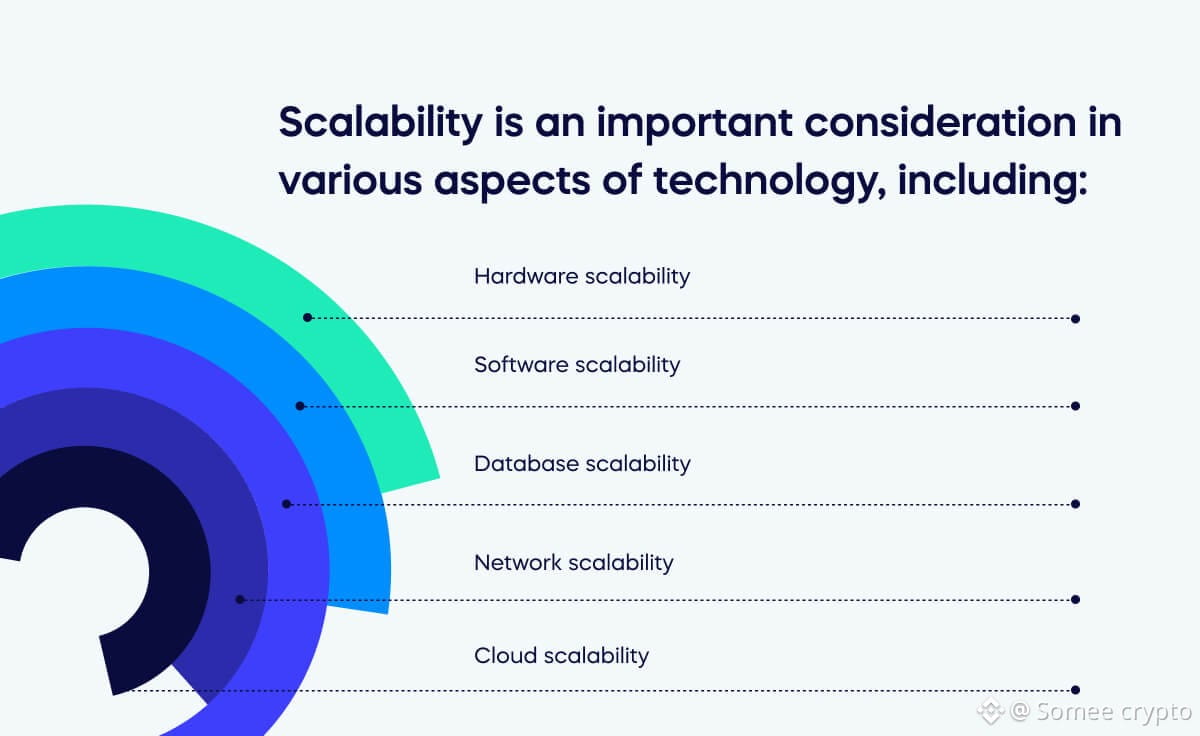
Scalability has become a defining factor for success in the current environment. Networks that struggle with congestion and unpredictable fees are finding it difficult to support growing user activity. Plasma addresses this challenge by focusing on efficient transaction processing and stable performance, making it well-suited for payment flows and digital asset transfers that require both speed and consistency.
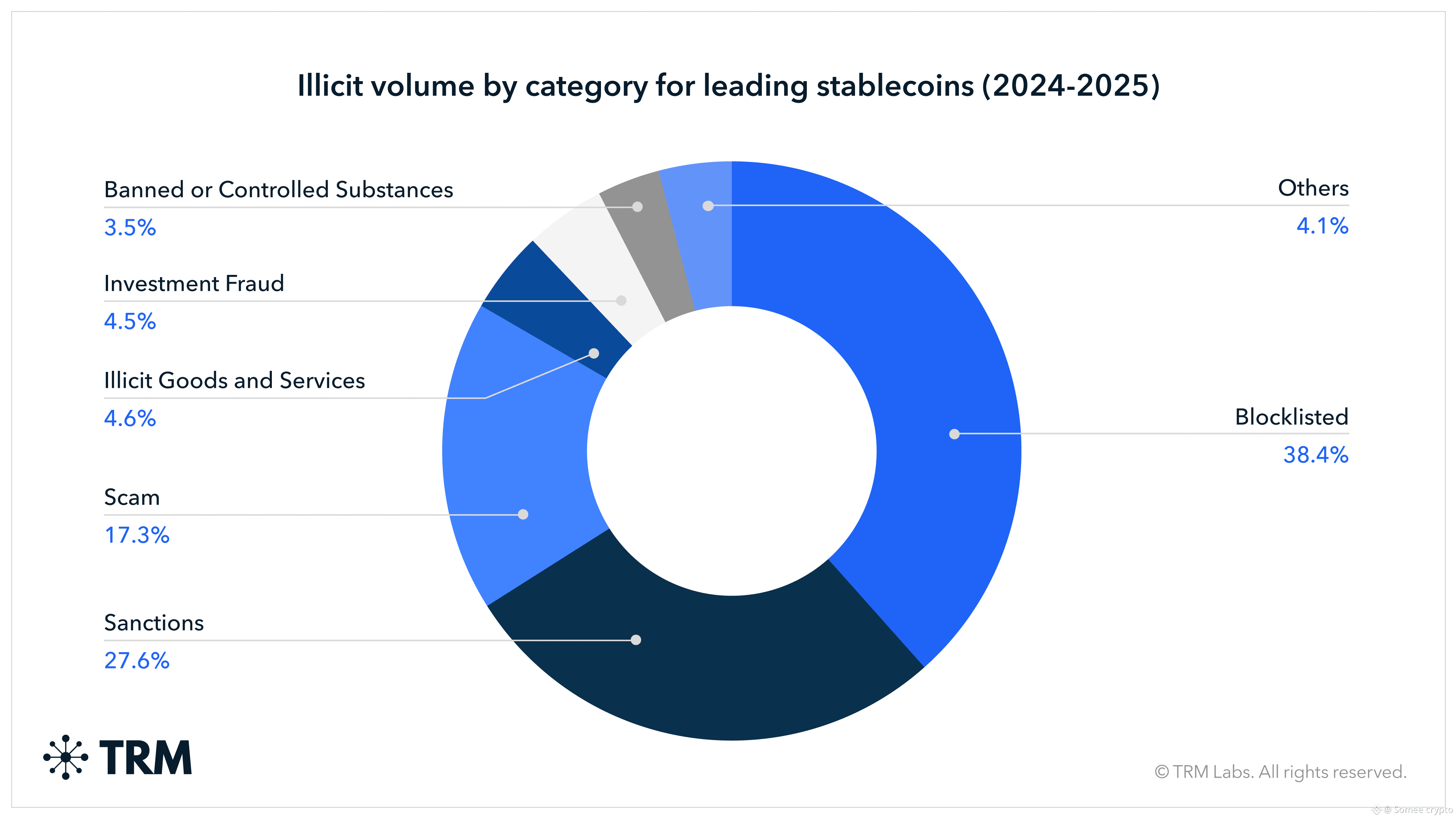
Another major trend shaping today’s crypto landscape is the expansion of stablecoin usage. From remittances to on-chain settlements, stablecoins are playing a central role in everyday blockchain transactions. Infrastructure that can handle this increasing volume is critical, and Plasma’s architecture is designed with exactly this type of demand in mind. By optimizing for throughput and cost efficiency, the network aligns with where market adoption is heading.
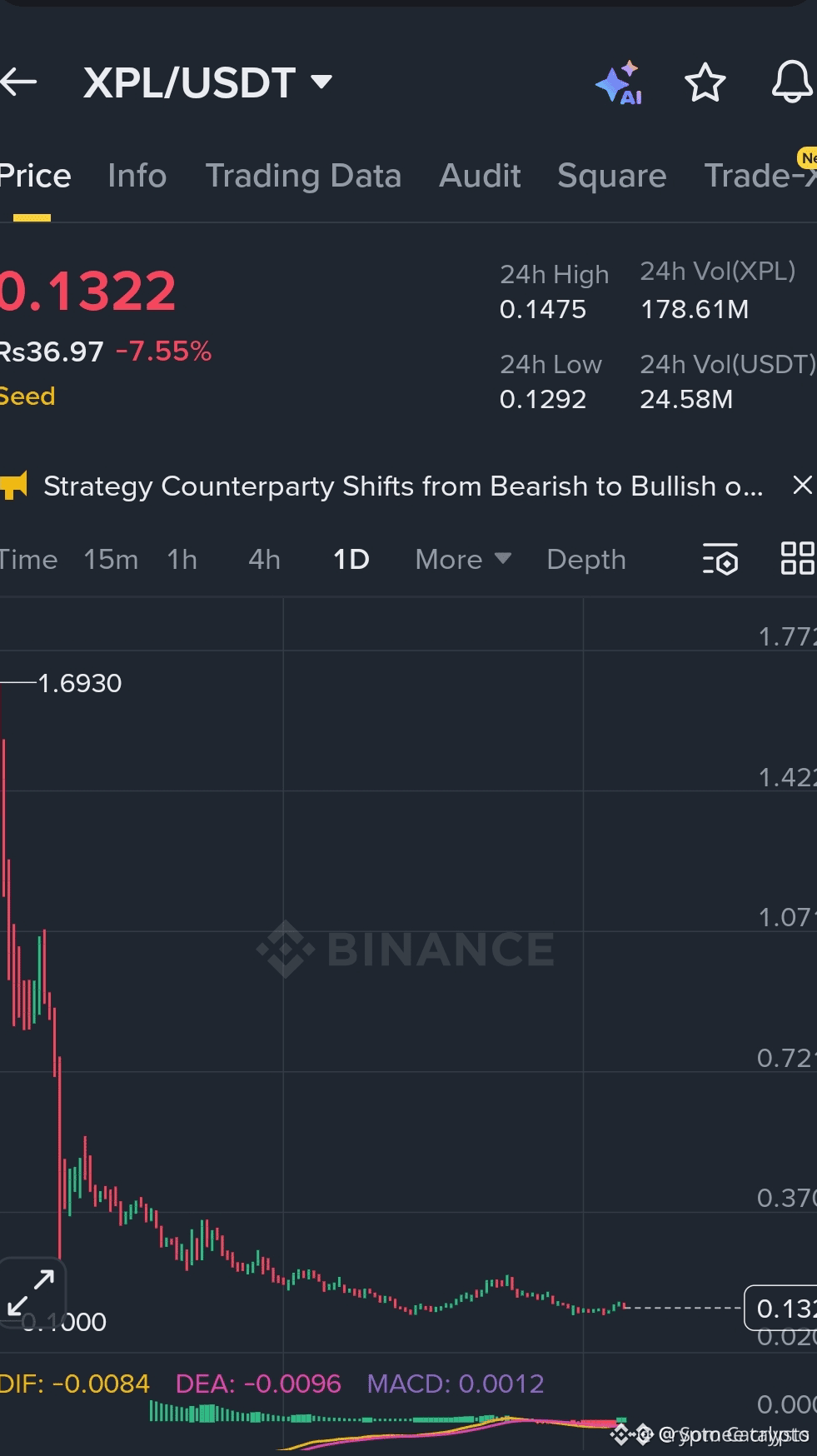
The role of $XPL within this ecosystem is fundamental. The token supports network activity, enables transactions, and helps power the broader Plasma environment. As more platforms and financial applications explore scalable blockchain rails, the utility of $XPL is positioned to grow alongside ecosystem development.

In a market that is steadily rewarding practical innovation over hype, #plasma represents an infrastructure-focused approach built for long-term relevance. By targeting real payment needs and scalable performance, Plasma is aligning itself with one of the most important growth areas in crypto today.