
I’ve always believed that if blockchains are truly about freedom, then users should control their own data. That belief is what pulled me toward Plasma. Most projects today focus on launching new DeFi tokens or chasing faster throughput. Plasma is doing something different. It’s going after the data problem itself.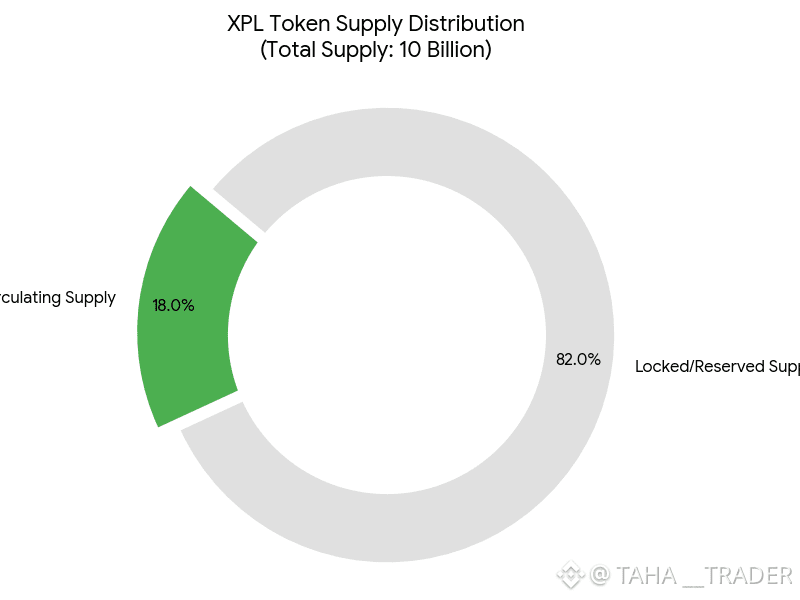
Instead of building yet another chain, Plasma is trying to remove the walls between chains. The goal is simple but powerful: let users actually own their digital assets and data, no matter where they go in the crypto ecosystem.
Below, I’ll break down what problem Plasma is solving, how it works in plain language, and why I think it matters more than most people realize.
The Core Problem: Fragmented Data and Rising Costs
Blockchains unlocked a wave of decentralized applications, but they also created a mess behind the scenes.
Each chain lives in its own bubble. Data stored on Ethereum can’t be easily accessed on Solana. Avalanche apps don’t naturally talk to Polygon apps. If a developer wants to store large amounts of data on-chain, costs explode quickly. As a workaround, many apps push data to off-chain solutions like IPFS or Arweave.
Those tools are useful, but they don’t solve the real issue. They don’t make cross-chain data portable or easy to use. The end result? A broken experience where apps can’t share information smoothly and users juggle multiple wallets just to manage their own assets.
Plasma’s Approach: A Chain-Neutral Data Layer
Plasma flips the usual model on its head.
Instead of tying storage to a single blockchain, Plasma acts as a neutral data layer that sits underneath all chains. It’s built on decentralized physical infrastructure, where anyone can contribute storage and bandwidth by running a validator node.
Validators secure the network using proof-of-stake. They lock up XPL tokens and are rewarded for honestly storing data. Plasma uses cryptographic proofs of spacetime, meaning validators must continuously prove they still hold the files they’re paid to store. If they fail, they lose their stake.
No trust. No favoritism. Just math and incentives.
Why Chain-Agnostic Storage Matters
This is where Plasma really stands out.
Developers can store data from an Ethereum app on Plasma and later access that same data from a smart contract on another chain. No wrapping. No centralized bridges. No custodians.
Imagine a gamer owning items on one chain and using them in a game built on another chain. Or a user carrying the same profile, identity, or history across multiple apps without starting from scratch every time.
That’s not just convenient. That’s real digital ownership.
Tokenomics That Feel Thought Through
When I look at any crypto project, token structure matters a lot.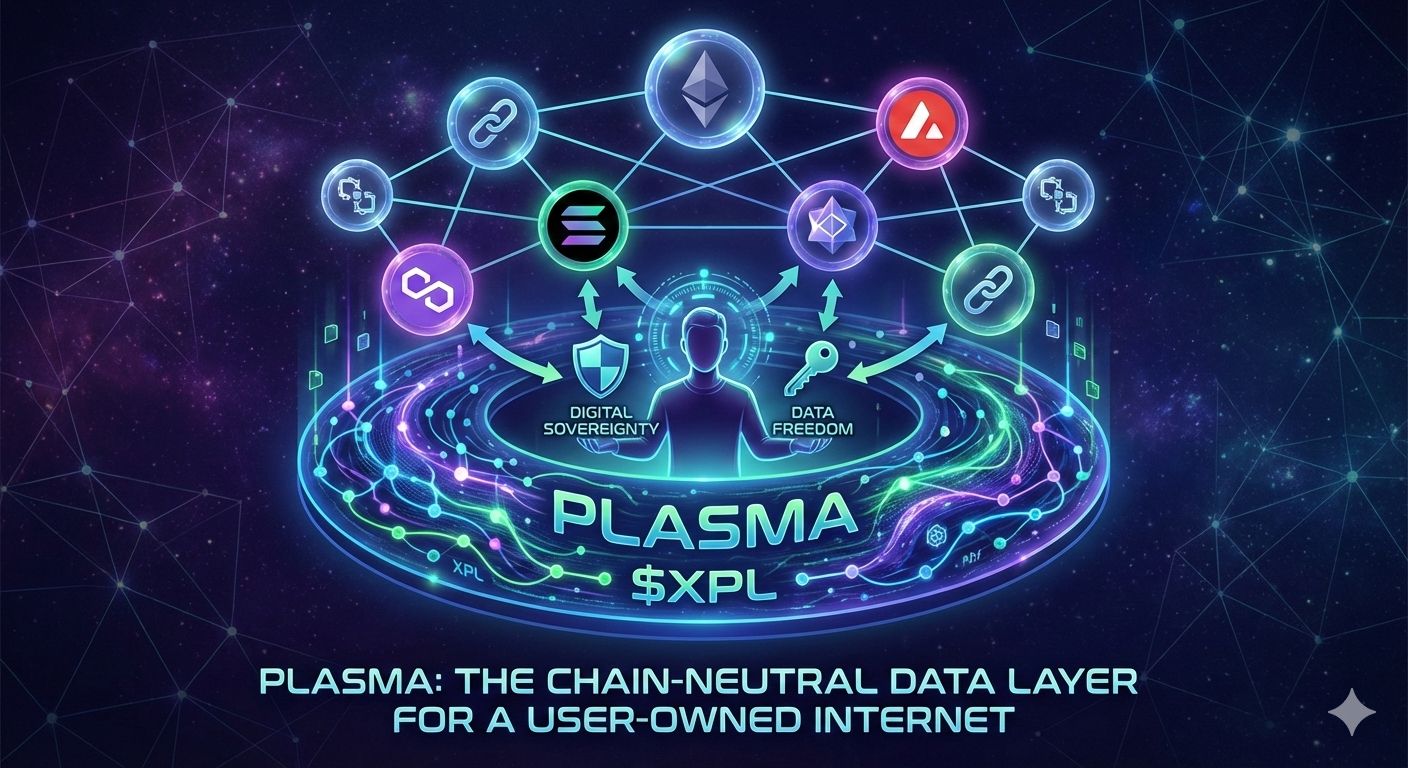
Plasma’s native token, XPL, has a fixed maximum supply of 10 billion. Currently, about 1.8 billion tokens are in circulation. For the first three years, there’s no supply expansion at all. After that, inflation is gradual and trends down toward roughly 2% per year, with new tokens primarily used to reward validators.
On top of that, part of the network fees are burned. Over time, this can help balance inflation and protect long-term holders. It’s a measured design—one that avoids aggressive dilution while still keeping the network secure.
Token Allocation and Transparency
XPL’s allocation is publicly visible and clearly structured.
Some tokens were set aside for early partners to bootstrap adoption. Others go to the team and core contributors, with long lock-up periods to align incentives. There’s also allocation for investors and a grants pool to support developers and the wider community.
What I like here is transparency. You can see who owns what and when tokens unlock. Right now, only about 18% of the total supply is circulating, meaning most tokens are still locked. That also means future unlocks matter, and investors should keep an eye on the schedule.
Circulating Supply vs Total Supply
Understanding this difference is critical.
XPL’s circulating supply is around 1.8 billion, while the total supply is capped at 10 billion. The remaining tokens are locked or reserved and may enter circulation over time. This doesn’t make the project weak—but it does mean timing and awareness are important when evaluating value.
The Human Side: Data Sovereignty
Most discussions around Plasma focus on tech or tokenomics. But for me, the bigger story is human.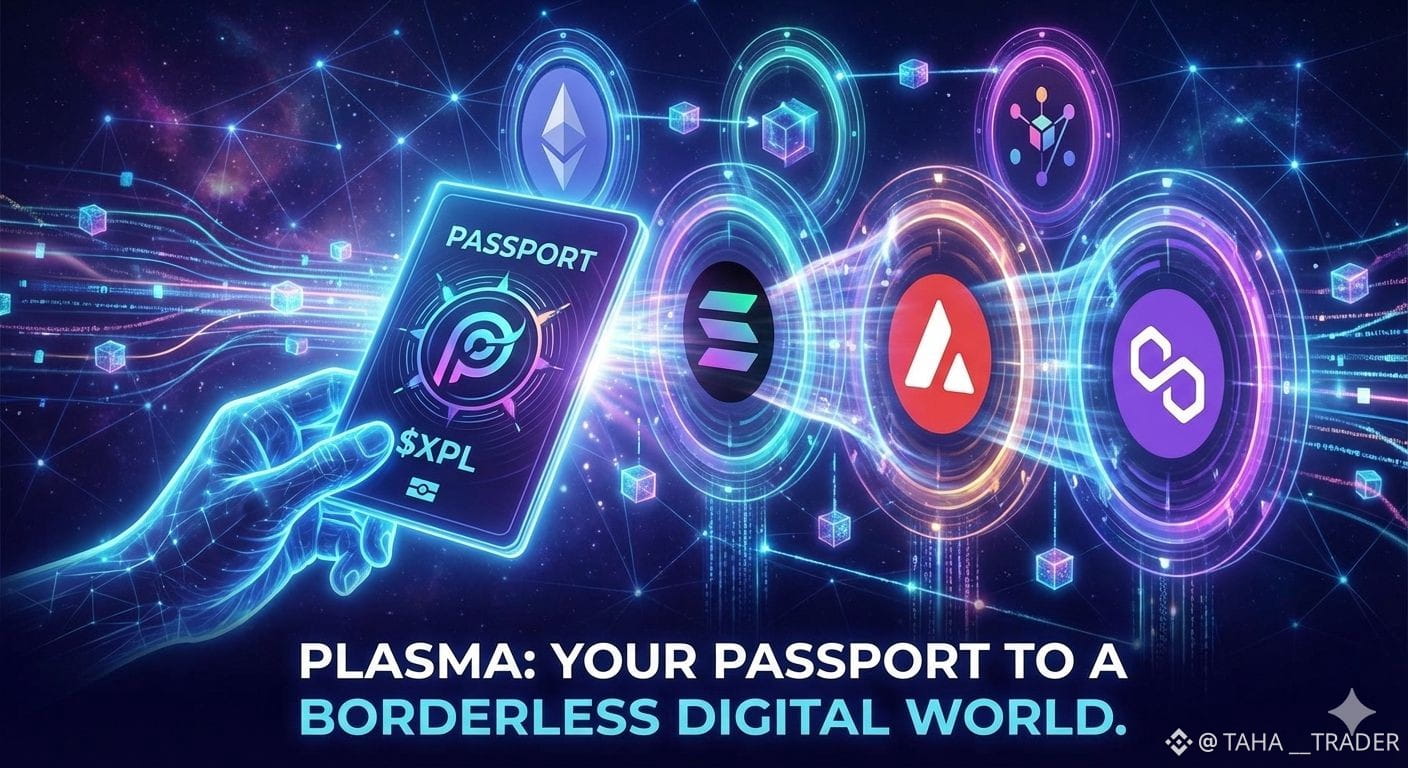
In today’s internet, our data is owned by platforms. They store it, monetize it, and decide how it moves. Even in crypto, data often stays trapped inside one chain.
Plasma changes that. It allows users to store their information once and carry it across networks without relying on centralized services. Think of it as a passport for your digital life.
You move freely. Your data moves with you.
A Better Experience for Builders
From a developer’s perspective, Plasma removes a lot of friction.
Instead of managing separate storage solutions for every chain, developers can write once and store data on Plasma. That cuts maintenance costs and speeds up development. More importantly, it creates a shared data layer where apps across different chains can actually interact.
This kind of setup opens the door to entirely new product ideas.
Adoption Trends: Why Timing Matters
Infrastructure only works if there’s demand—and that demand is clearly growing.
Crypto adoption continues to expand worldwide. Millions of users now own digital assets, interact with DeFi, and participate in on-chain ecosystems. As usage grows, apps will need scalable and flexible ways to store and move data across chains.
Plasma sits right in the middle of that trend. The more multi-chain activity increases, the more valuable a neutral data layer becomes.
Beyond Storage: What Plasma Enables
Plasma isn’t just about files.
It can support decentralized identity systems where users prove who they are without revealing sensitive data. It can power cross-chain gaming, portable DeFi records, shared metadata for stablecoins, and even decentralized social platforms that preserve user history across networks.
The design is flexible, and the use cases go far beyond simple storage.
Why I’m Bullish on Plasma
There are risks, no doubt. Token unlocks will increase supply over time. Competition in decentralized storage is intense. Execution matters.
Still, the positives stand out.
Plasma tackles a real problem. It has a clear economic model. And it aligns with a core principle that many projects talk about but few actually deliver on: users owning their digital lives.
If the team delivers on the vision, Plasma won’t just be another crypto project. It could become foundational infrastructure for a more open, user-owned internet.
That’s why I’m paying attention.

