
@Walrus 🦭/acc $WAL began as a practical answer to a simple but urgent problem: blockchains are excellent at recording small bits of state, but they struggle when applications need to store, serve, and verify large binary files things like high-resolution media, game assets, or training datasets for AI. Walrus introduces a purpose-built blob storage layer that separates storage from execution while keeping the blockchain as the authoritative control plane. That design lets applications reference large blobs securely on-chain without embedding the data itself into every node’s state, which keeps costs and complexity far lower than trying to shoehorn big files into a traditional ledger. 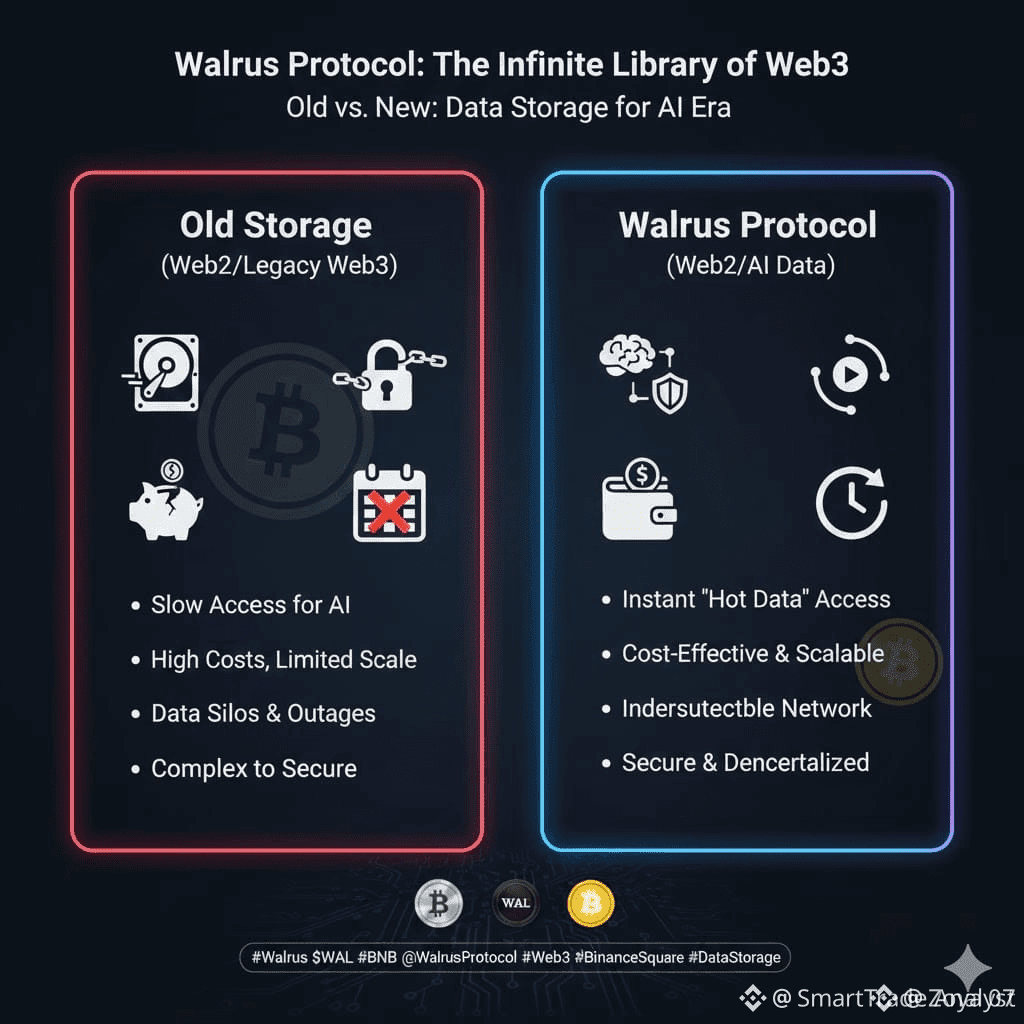
At the heart of Walrus is a different approach to redundancy and recovery. Instead of naïvely copying every file many times, Walrus uses a two-dimensional erasure-coding scheme (often referred to in the project literature as RedStuff) that slices blobs into many slivers and spreads them across a large set of storage nodes. That approach dramatically reduces storage overhead while still allowing the system to reconstruct data even if a large fraction of nodes become unavailable. The coding is designed for real network conditions fast, bandwidth-efficient recovery and robustness against node churn which makes it practical for applications that expect many small reads and occasional large restores. The academic whitepaper and protocol specs lay out both the math and the engineering tradeoffs behind this choice.
Walrus is tightly integrated with the Sui 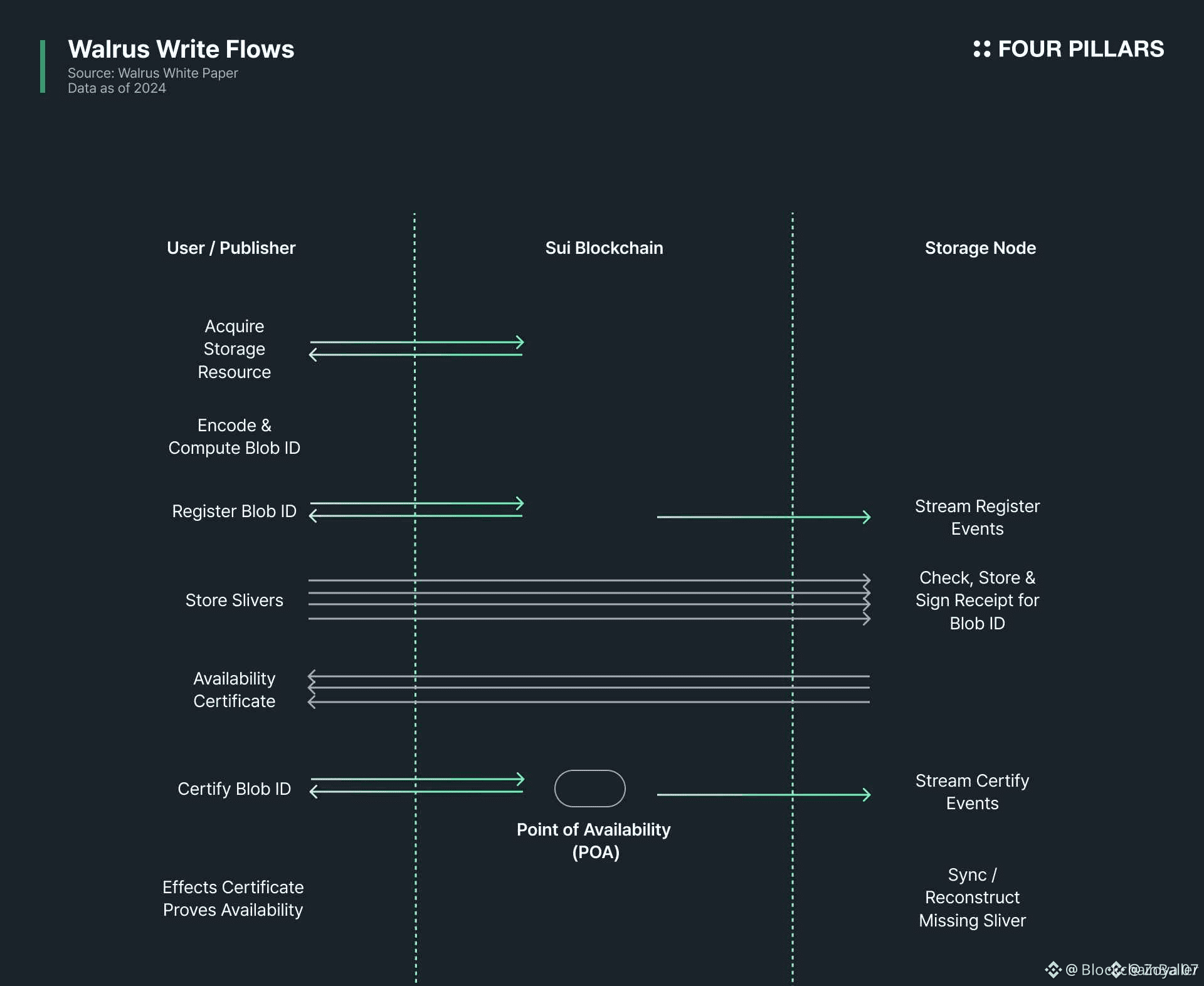 ecosystem and uses Sui’s on-chain primitives for governance, economics and lifecycle management of blobs and nodes. The network operates in epochs and relies on a committee-style selection of storage nodes: operators compete for stake, get selected into an epoch committee, and then are responsible for storing and serving assigned slivers. Payments, storage leases, challenges and rewards are mediated by smart contracts on Sui, which simplifies the control plane while allowing the storage layer to be highly scalable and specialized. This separation Sui for coordination, Walrus for efficient blob handling aims to give developers a programmable, auditable storage API without forcing them to run heavy storage software themselves.
Walrus 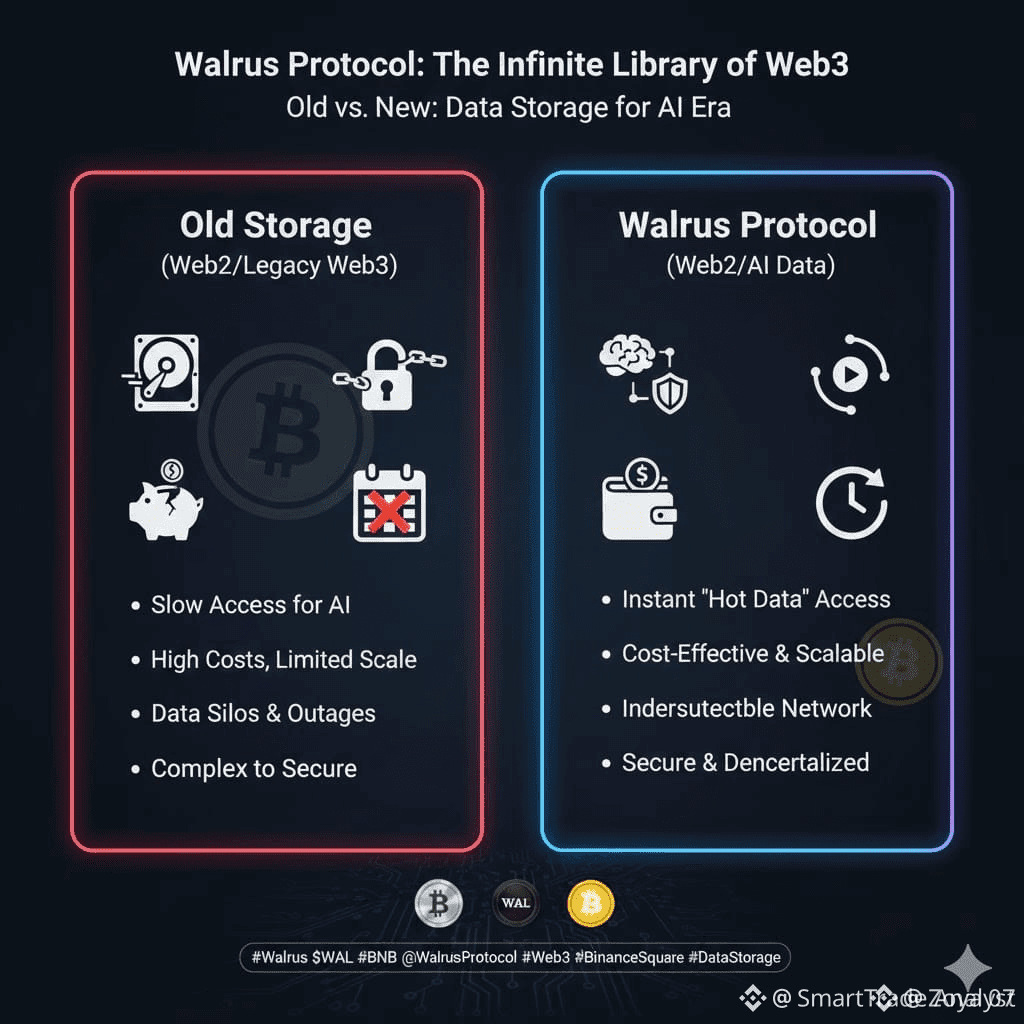
The WAL token is the economic glue that makes the system work. Users pay for storage and retrieval in WAL, and the protocol’s payment design aims to smooth costs in fiat terms so storage customers aren’t hit by volatile token swings. Node operators and stakers earn WAL by offering capacity and serving data, and rewards are distributed across epochs to align incentives for long-term availability. The token also enables delegation models (so smaller participants can back larger operators) and governance levers to evolve parameters like pricing, replication targets, and challenge rules over time. In short, WAL is both the fee currency and the security stake that keeps the network honest and performant.
walrus
Use cases for Walrus are familiar but important: media delivery for Web3 apps, game asset hosting where low latency and verifiable ownership matter, archiving and availability for blockchains that need external data, and data markets for AI where datasets must be reliably stored, retrieved, and provably intact. The team and ecosystem materials emphasize agentic workflows too autonomous agents and on-chain models that fetch and process large datasets which is why Walrus positions itself as a substrate for the AI data economy as much as a decentralized CDN. Those same properties make Walrus attractive to developers who want a programmable, censorship-resistant way to distribute large files across an open network.
walrus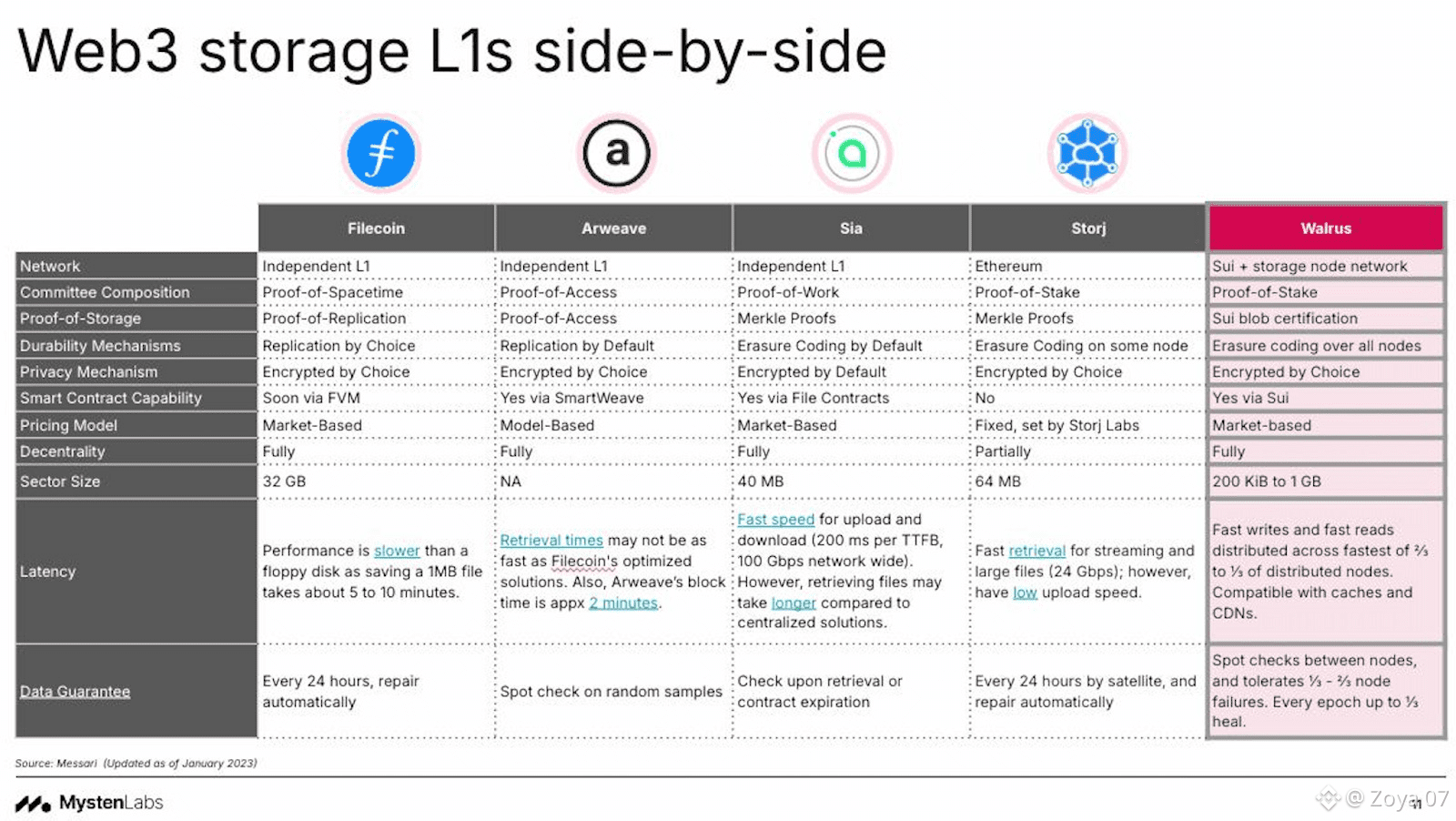
Walrus’s strengths come with hard engineering and economic tradeoffs. Erasure coding and sharded storage save space but require careful challenge protocols and bandwidth planning to ensure data can be recovered quickly under adversarial conditions. Relying on a smart-contract control plane (Sui) simplifies coordination but ties Walrus’s availability model to another system’s assumptions. Token-based payment models must balance predictable pricing for customers against sufficient revenue for operators, and bootstrapping long-term storage markets requires careful incentive design so that files remain available years after they were uploaded. The project’s papers, docs and early previews are explicit about these concerns and lay out both mitigations and open research problems. 
Since its announcement and developer preview, Walrus has drawn attention from builders who need efficient blob storage tightly integrated with blockchain logic. The early rollout emphasized tooling for Sui builders, documentation for node operators, and research-grade writeups describing the RedStuff codes and epoch-based operations. For teams building metaverse experiences, on-chain media platforms, or AI training pipelines, Walrus presents a compelling stack: programmable storage that is auditable, cost-conscious, and engineered for the realities of large binary data. Whether Walrus becomes the dominant storage substrate for these use cases will depend on operational track records uptime, recovery speed, and a healthy market of stakers and node operators but the architecture and early work give a clear roadmap for how decentralized blob storage can be practical at scale.
If you want, I can condense this into a short explainer for social media, produce a technical one-pager for developers that lists SDKs and node setup steps drawn from the docs, or pull current WAL market stats and recent adoption metrics with citations. Which would you like next?


