I’m going to start at the point where this stops being a blockchain pitch and becomes a human story because the original spark behind Vanar is not hard to understand when you have watched normal users try Web3 through games entertainment drops and brand moments and then leave the second the experience feels slow confusing or unexpectedly expensive and what hurts most is that those users do not leave because they hate the idea of ownership or digital value and they leave because the journey makes them feel like outsiders and that is why Vanar was shaped around one simple belief that adoption is an emotional outcome before it is a technical outcome so the chain has to protect flow protect confidence and protect the small moments where a user taps a button and expects the world to answer back without stress and They’re coming from an ecosystem that already lived in consumer gravity through products tied to gaming and metaverse style experiences so the design choices are not abstract and they are responses to real friction that kept repeating until it became impossible to ignore.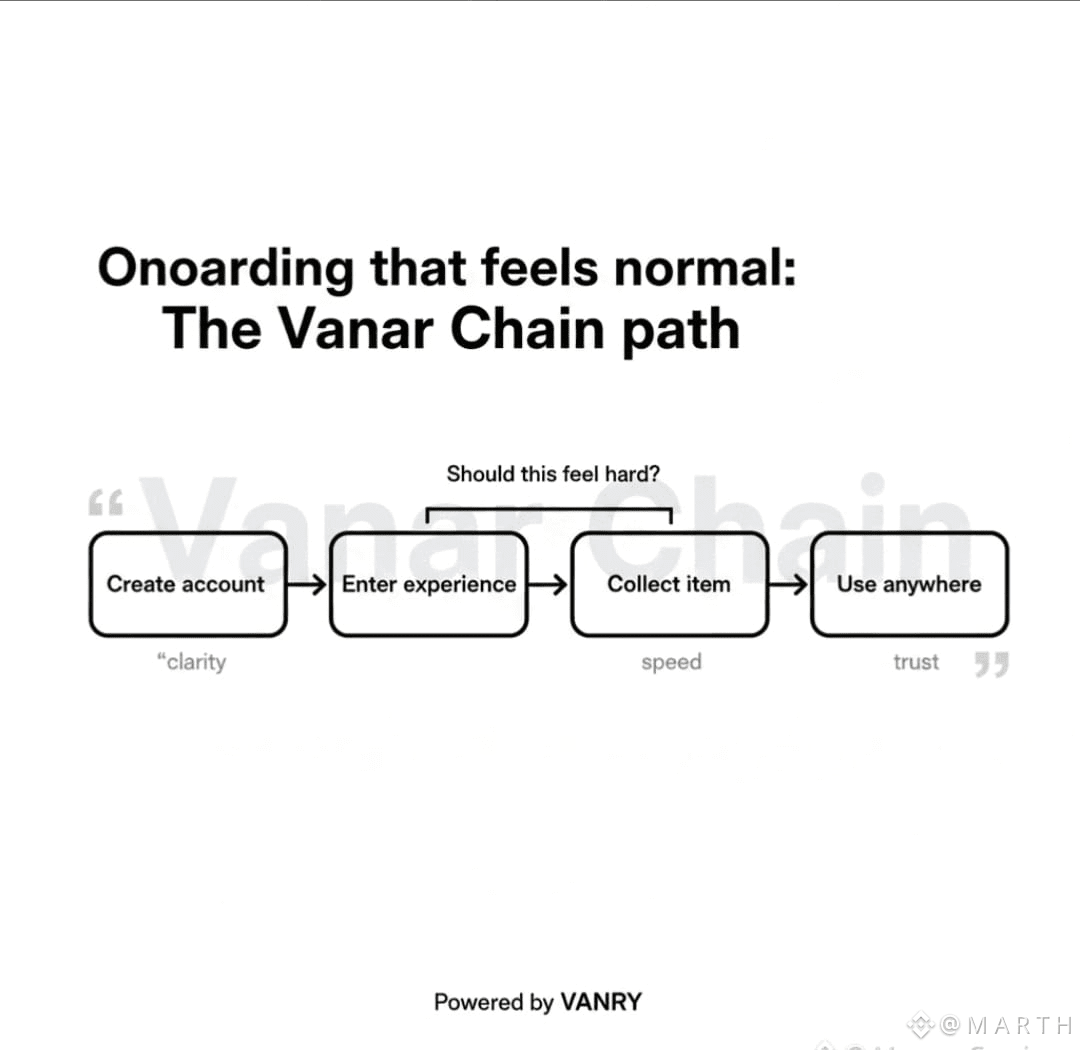
When you look at the whitepaper you can feel that consumer obsession in the parts that matter most because it talks about protocol level changes as a direct path to a fast cheap and secure chain for everyone and it even states an ambition to aim for a zero carbon footprint by using infrastructure that runs on green energy which is not just a slogan and it is a statement about how the chain wants to fit the real world rather than pretending the real world does not care about energy or responsibility and then it moves straight into the most painful problem that kills mainstream momentum which is fees that nobody can predict and Vanar frames variable gas as a trap for anyone trying to build high volume applications because a business cannot plan and a user cannot relax when the cost might jump at the exact moment they feel excited and that is why Vanar commits to predictable and fixed transaction fees tied to dollar value rather than token price while also anchoring an ultra low target that stays low even if the token price rises many times over and that decision is not only about saving money and it is about saving the emotional safety that lets a person press one more button without fear.
Speed is the next pillar because slow confirmations are not just slow and they are the moment where doubt enters and the whitepaper makes the intention very clear by describing a block time capped at a maximum of three seconds and then connecting that directly to user experience because responsive and interactive platforms are not optional in modern consumer apps and Vanar positions near instant confirmation as the difference between a chain that can host real experiences and a chain that feels like a waiting room and that focus continues with throughput because three second blocks alone are not enough if capacity is too low so the whitepaper pairs the three second block time with a proposed gas limit of thirty million per block and explains that this combination is meant to keep the network responsive under demand while allowing substantial block capacity for many transactions including more complex ones and it even points to the kinds of applications that benefit from this such as real time financial transactions gaming platforms and interactive decentralized apps where latency breaks immersion and breaks trust.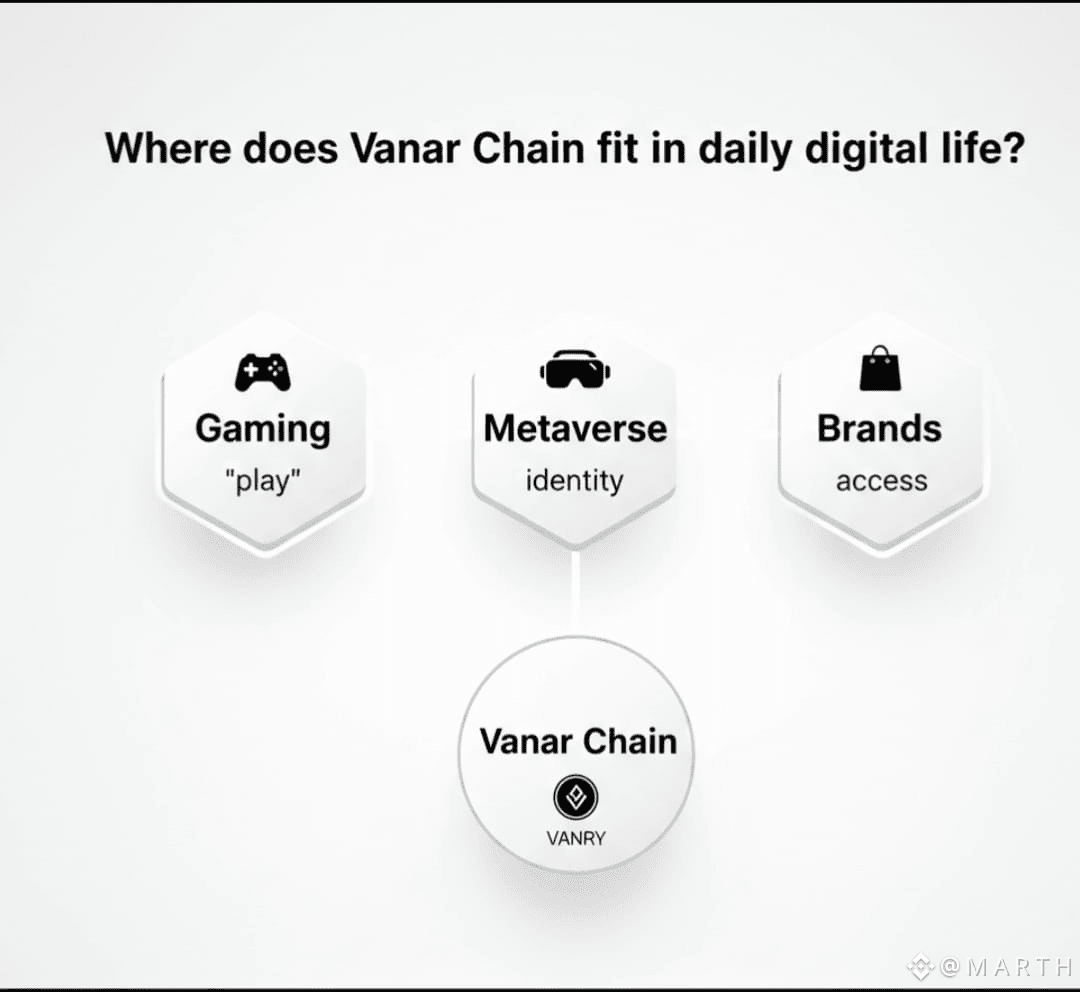
Then there is a quieter but very important choice that reveals the philosophy of fairness because Vanar ties its fixed fee model to transaction ordering and describes a first come first serve approach where the validator sealing the block picks transactions in the order they are received in the mempool and the reason given is a desire to create a fair ground regardless of project size which matters because some networks end up feeling like auctions where the biggest players buy priority while smaller builders watch their users suffer and in consumer worlds this creates a constant feeling that the system is rigged which slowly drains belief even if the technology works and Vanar is openly trying to avoid that emotional decay by making inclusion feel chronological rather than competitive.
Of course there is a hard truth that comes with cheap predictable fees and it is the risk of abuse because if it is cheap for honest users then it might also be cheap for bad actors who want to spam the chain and make it unavailable and the whitepaper does not dodge this problem and instead explains a tiered system where different fixed fees are charged based on transaction size measured by gas consumption with the explicit purpose of making large abusive transactions expensive so that an attacker cannot cheaply fill blocks for hours by sending many huge transactions and the logic is simple and human because the chain wants to stay welcoming for normal actions like token transfers swaps minting staking bridging and everyday app calls while making it painful to weaponize block space through oversized behavior and If the tiering works as intended then the promise of low fees can survive without turning into fragility under pressure.
Under the hood Vanar also chooses familiarity on purpose because EVM compatibility is treated as a strategic bridge rather than a technical trend and the whitepaper explains that the ecosystem of tools and developers around EVM is massive which makes migration and expansion easier for projects that already know how to build in that world and it also mentions leveraging Geth as a battle tested implementation which signals a preference for reliability and proven foundations instead of reinventing every layer at once and this is where the adoption mindset becomes obvious because a builder does not only need performance and they also need confidence that the environment is understandable auditable and supported by existing knowledge and They’re trying to remove the feeling that developers must start from zero just to participate.
The token story fits into this arc as well because VANRY is not only a ticker and the whitepaper describes it as a native gas token with a hard capped maximum supply and it outlines token issuance through block rewards over a long timeframe while framing rewards as incentives for network participants such as validators and this matters for sustainability because the chain has to balance user costs with validator incentives and long term security and it also ties into governance and participation because a community needs a reason to stay engaged beyond price movement and beyond early excitement and It becomes stronger when the token has a clear role in how the network operates and how contributors are rewarded for keeping the system healthy.
There is also a real world chapter in this history that people remember because the project evolved out of the Virtua era and moved through a token rebrand and swap from TVK to VANRY on a one to one basis and multiple exchanges supported that transition with public notices and If you ever need a concrete exchange reference then Binance is one example that confirmed the completion of the swap and the one to one distribution but the deeper point is not the exchange name and the deeper point is that the ecosystem took a visible step to align identity with a broader chain vision and that step created a clean foundation for the next stage.
Now comes the part that makes Vanar feel like it wants to grow beyond a typical Layer One narrative because the current positioning speaks about building an AI oriented stack where the chain is the base layer and higher components aim to make data more usable and meaning driven rather than treating everything as opaque blobs and We’re seeing Vanar describe Neutron as an AI compression and semantic memory approach that restructures data into compact verifiable Seeds so information can be stored with integrity and retrieved with utility which is a different mindset from simply anchoring hashes and pushing files somewhere else and the same direction continues with Kayon which is framed as a reasoning layer that can work over that semantic memory to produce auditable logic driven outcomes and this is ambitious because it shifts the chain from being only a place where contracts execute into a place where applications can keep context and operate with deeper intelligence across workflows that touch payments identity real assets and consumer experiences.
At the same time the honest view requires naming the risks because every adoption promise can collapse if the hard edges are ignored and the first risk is that any early stage validator model that leans on curated participation may create a perception of centralization that must be addressed through transparent expansion over time because trust does not grow from claims and it grows from visible distribution of control and the second risk is that low fees invite spam pressure so the tiered fee defense has to work in reality not only on paper and the third risk is expectation risk because when a project speaks about AI native layers people will demand working tooling stable developer experience and real products that prove the system is more than a story and the fourth risk is the broader world itself because mainstream adoption means dealing with compliance complexity brand reputation and user protection and that requires steady execution rather than dramatic promises.
Still when you step back you can see what Vanar is trying to become over the long arc because it is not only chasing speed for bragging rights and it is chasing the feeling of normalcy where Web3 actions feel as casual as tapping a game button or joining a digital event and the chain choices around fixed fees fast blocks higher throughput and fair ordering are meant to keep the experience smooth while the EVM foundation is meant to keep the builder journey familiar and the AI stack narrative is meant to push utility beyond basic settlement into a world where on chain data can actually be worked with and reasoned over and I’m saying this plainly because the future vision reads like a bet that the next three billion users arrive when the chain becomes invisible and the product becomes the center of attention.
If that bet is right then the milestones that matter are not mysterious because you will see it in the lived experience of the ecosystem where users do not complain about fees and builders do not fear congestion and transactions confirm fast enough to keep emotion alive and validators expand in a way that strengthens trust rather than weakening it and the AI layers move from exciting descriptions into real workflows that developers rely on and when those things happen the chain stops being a destination and starts being infrastructure that quietly supports everyday digital life and that is a hopeful kind of future because it suggests a world where people do not have to learn new rituals just to belong and It becomes easier for anyone to participate simply because the system finally respects the way humans actually behave.