
Every trader, whether novice or experienced, faces periods where nothing seems to go right. Trades that should win end up losing, and confidence erodes quickly. While many assume these slumps are due to poor strategy or bad market conditions, the real culprit is often psychological. Trading psychology isn't just about managing emotions in the moment—it's about understanding the deeper mental patterns that lead to self-sabotage.
A trading slump usually begins subtly. Maybe you start taking a few extra trades outside your plan, or you ignore a minor rule ‘just this once’. These small deviations compound into bigger problems. As losses mount, emotional reactions intensify. Fear of missing out turns into fear of being wrong. You might overcompensate by taking larger positions or abandoning your risk management framework altogether. This creates a feedback loop: poor decisions lead to more losses, which lead to more emotional trades.
One major psychological trap is 'tilt'—a state where emotions overwhelm logic. Tilt often follows a series of losses and leads to impulsive trading behavior. It’s not about one bad trade—it’s about how that trade affects your mindset going forward. When tilted, traders lose the ability to objectively assess the market. They chase losses, trade without a plan, and ignore stop-losses. Identifying tilt early is critical for breaking the cycle.
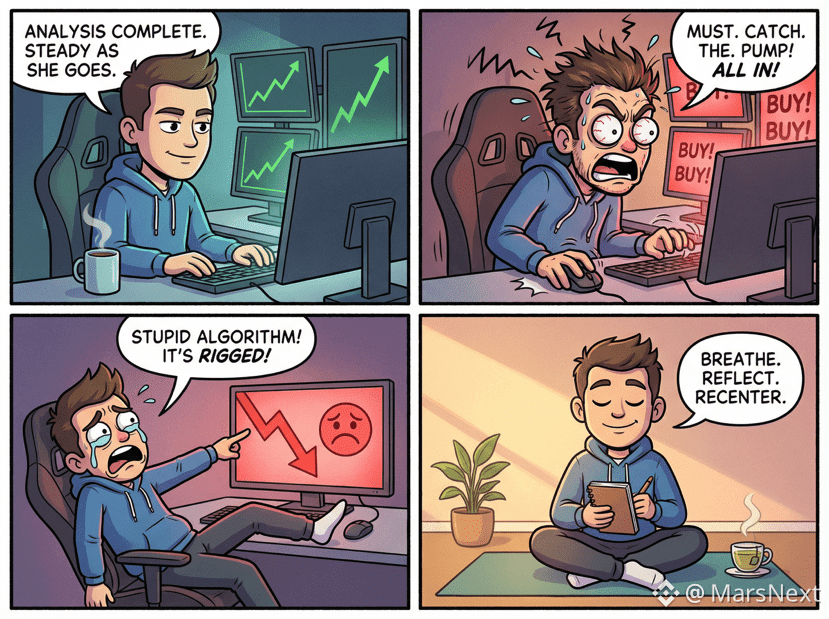 Another common issue is attribution bias. After a string of losses, many traders will blame external factors: the broker, the news, or 'the market is rigged'. While these may play minor roles, consistent losses usually reflect internal issues—flaws in execution, mindset, or risk control. Successful traders take responsibility, even when it’s uncomfortable. They use losses as data, not personal failures.
Understanding how your mind reacts under pressure is part of the solution. Many traders benefit from building a structured routine. This can include pre-market rituals, journaling, or mindfulness practices. When emotions run high, routines act as anchors—they bring you back to a state of objectivity, reducing the chance of reactive decisions.
Also critical is the concept of mental bandwidth. When you're stressed, tired, or distracted, your brain has less capacity for complex decision-making. Trading during these times is like driving while fatigued—you may think you’re fine, but your judgment is impaired. Successful traders recognize when they're not at their best and step back from the screen.
Finally, consistency in trading means accepting that not every trade will be a winner. Slumps are inevitable. What matters is how you handle them. Maintaining discipline during tough periods often separates long-term survivors from those who burn out.
In summary, trading slumps are rarely technical—they’re mental. Recognizing the patterns of emotional trading, taking responsibility for outcomes, and maintaining discipline are foundational skills. Your mindset isn’t just part of the game—it’s the game.