


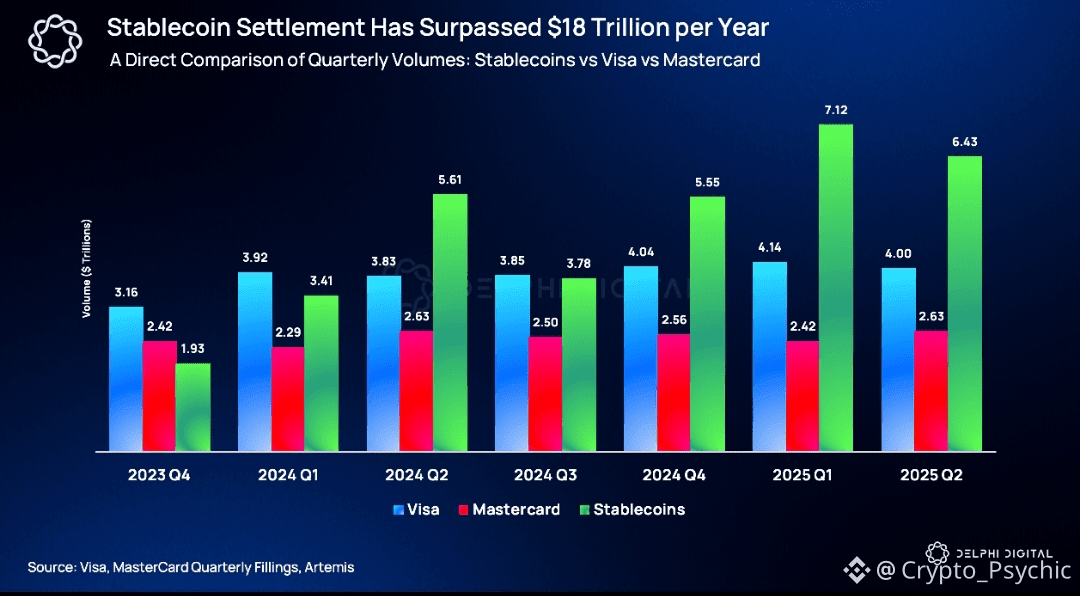
Here's something obvious only now getting attention: stablecoins run the crypto world, though few admitted it. Most networks ignored that fact, built instead for swaps, digital art, or untested finance games. Payment activity grew anyway, slipping through cracks of mismatched design. This project follows real behavior, not guesses about what should matter.
Built first for stablecoin transfers, Plasma runs as a base-layer network shaped by that role. Not because it sounds good, but because the structure demands it. Payments here aren’t squeezed into shared blocks alongside random apps. Speed you can count on, steady fees, consistent clearance - these come before all other features. The whole system bends around those needs. Every part follows that lead.
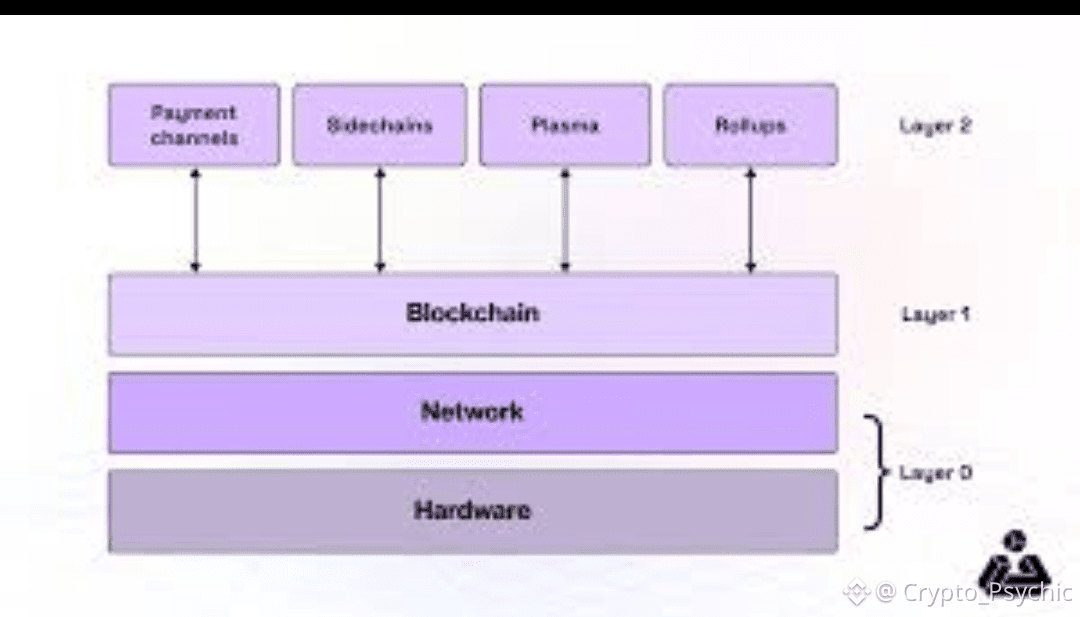
What sets Plasma apart is its seamless fit with Ethereum tools, thanks to Reth's EVM alignment. Existing wallets and contracts move right in - no reworking needed. The team clearly saw where past efforts stumbled: breaking away scares off users. Most payment systems today run on EVM-backed tech, down to audit logs and wallet support. Rather than split things up or push unfamiliar code styles, Plasma keeps the familiar base intact. It shifts only what happens behind the scenes when transactions settle and confirm.
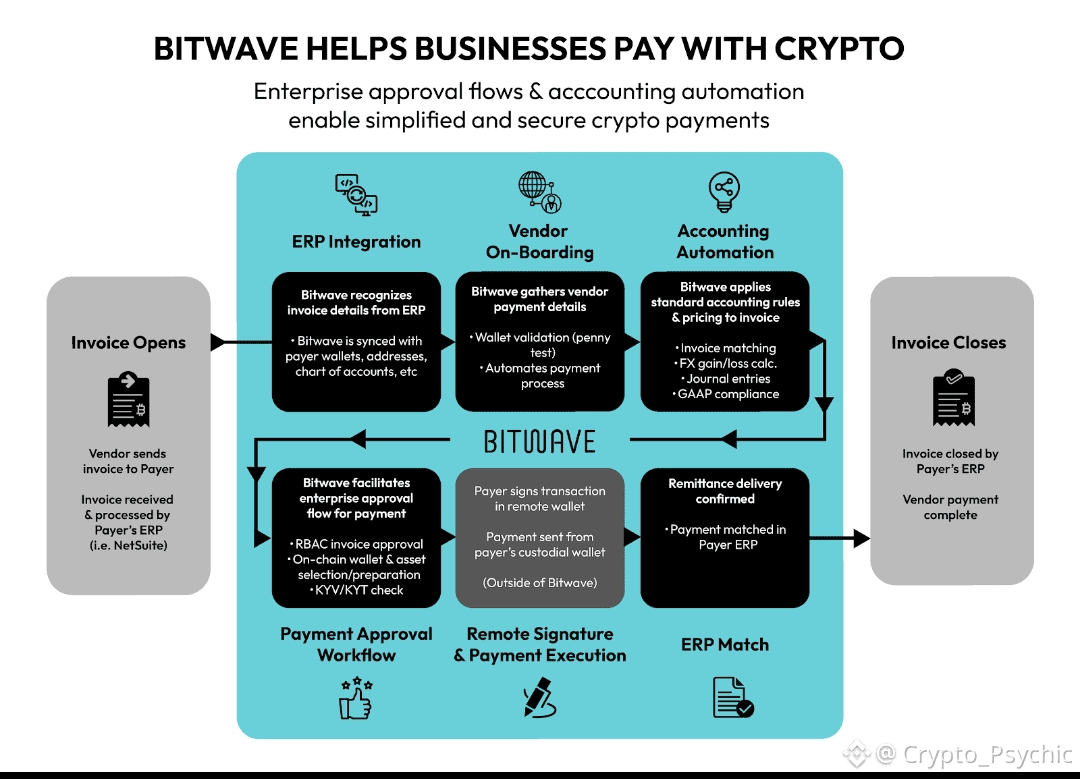
What sets Plasma apart from nearly every other EVM chain sits in one place: finality. Transactions must be clear, not left hanging in uncertainty. While markets might accept guesses on whether a trade went through, actual money movement cannot afford delays or doubt. In those cases, waiting around falls apart fast. A system built for speed and clarity steps in - PlasmaBFT secures completion signals within moments. That instant lock-in gives people and organizations proof, not possibility, that funds moved. When paying for goods, sending cash across borders, or settling accounts, knowing when something finishes weighs heavier than how many can pile up at once.
What stands out most? The way it handles fees centers on stablecoins. Instead of needing a separate coin for transactions, you can send USDT without extra costs. This change tackles a common headache - juggling two tokens just to pay someone. People using digital dollars daily won’t need to guess what their fuel token might do next. It feels more natural when the money you spend also powers the system behind the scenes.
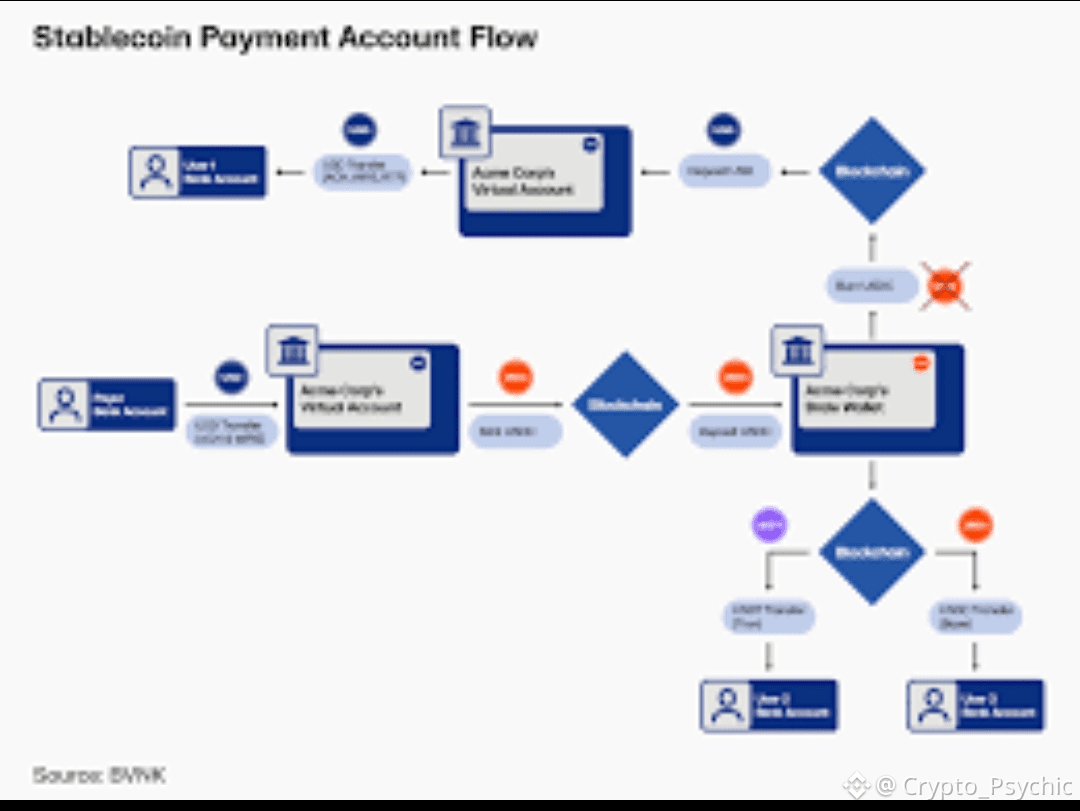
Most people just need payments that go through without a hitch. Where digital cash acts like regular money - stored value, wages, moving funds abroad - it sticks when simple to use. Trouble starts if folks must swap tokens or study how ledgers tick before hitting send. Working smoothly beats sounding smart every time around here. Understanding details matters less than getting the transfer done right away.
What keeps Plasma steady? A link to Bitcoin's backbone. Instead of inventing new rules, it leans on Bitcoin - known for staying impartial and tough to silence. When systems need to settle things fast, ideals fade. What matters: does the network hold firm when pushed? Tying itself to Bitcoin helps Plasma prove it won’t bend for power. Trust comes easier when control isn’t concentrated in a few hands.
Who uses Plasma? People who want things to just work. In everyday use, it fits places where stablecoins are already part of normal spending and buying. For companies, think firms handling payments, moving money across borders, building finance apps, or running backend systems - those kinds care about steady costs, quick transfers, speed matters here - and knowing exactly how safe their setup really is. Surprises aren’t welcome. What they need runs without hiccups when the pressure's on. Reliability shows up most when everything’s busy.
What matters most shapes how Plasma sees progress. Not loud spikes in activity or quick wins grab attention here. Quiet wallet integrations show real traction instead. Smooth merchant settlements mark a win. Institutions lean on the network when dependability proves itself. The less people notice Plasma at work, the better it performs. Its role fades only once it works right.
Something bigger is happening - blockchains are starting to pick their roles. With time, it makes less sense to expect a single network to handle everything perfectly. Where payments matter, limits show up fast, unlike in open-ended experiments. Built around those realities, Plasma shapes itself tightly, valuing clear outcomes more than broad promises.
What Plasma aims for isn’t reshaping blockchain possibilities.
Blockchains need to prove useful beyond just trading. What counts now is how clearly they handle real tasks. Showing reliability becomes their main job. Matters most? Doing work people actually depend on. Their value grows only when built for more than price swings.
Plasma builds around stablecoins because that is what people reach for now. Speed matters, so settlements happen quick, every time. Hurdles get stripped out, one by one. Safety ties back to a base that does not pick sides. This setup fits real behavior, not guesses about future habits. It runs on usage, not hype. What works today shapes it - nothing else.

