
December 2025 revealed something unexpected about Plasma. The team slashed incentives by ninety-five percent. Logic suggests this would devastate the ecosystem. Liquidity should have fled. Total value locked should have collapsed. Protocols should have migrated elsewhere chasing better yields. None of that happened. Stablecoin supply held steady around two point one billion dollars. DeFi TVL remained at approximately five point three billion. Plasma stayed firmly among the largest chains by value locked.
This outcome raises uncomfortable questions for projects claiming to build sustainable infrastructure. If cutting incentives by ninety-five percent doesn’t destroy your ecosystem, were those incentives ever necessary? If TVL remains stable without paying for it, what does that say about all the billions spent on liquidity mining across the industry? The Plasma experiment in aggressive incentive reduction reveals lessons about what actually drives adoption versus what just attracts mercenary capital.
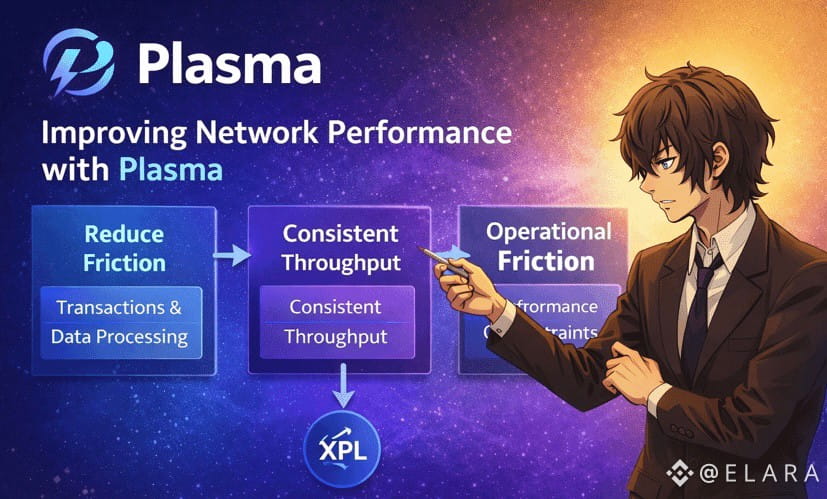 Reward Slashing Instead Of Stake Slashing
Most Proof of Stake blockchains punish misbehaving validators by destroying their staked capital. The logic seems sound. Validators put up collateral. If they attack the network or fail to perform duties, they lose money. This creates economic deterrence against bad behavior. But it also creates enormous downside risk that scares away institutional participants.
Plasma took a different approach. Validators who misbehave or experience downtime lose their rewards, not their staked capital. This distinction matters more than it might initially appear. An institutional fund considering running validators needs to model risk. With stake slashing, a bug in their infrastructure could cost millions in lost capital. That risk might exceed their tolerance even if they believe in the network’s mission.
Reward slashing reduces this risk dramatically. The worst case becomes lost rewards rather than lost principal. Institutions can still lose money if their infrastructure performs poorly, creating accountability. But catastrophic losses from unexpected failures become impossible. This risk profile fits institutional requirements far better than traditional slashing.
The design choice reveals Plasma’s target audience. They’re not trying to attract retail participants running validators from home. They’re courting professional validators and institutional partners who view blockchain infrastructure as a business line requiring predictable risk profiles. Reducing tail risk while maintaining accountability aligns incentives appropriately for these participants.
Critics argue this weakens security since misbehavior costs less. Plasma counters that losing future income stream matters plenty to professional validators even without risking capital. A validator earning substantial rewards who loses eligibility through poor performance suffers significant financial damage. The punishment fits professional validators better than retail participants.
The Token Distribution That Actually Matters
Ten billion XPL total supply with an interesting distribution structure. Public sale participants received one billion tokens, ten percent of supply. Ecosystem and growth received four billion tokens, forty percent. Team and investors each got two point five billion, twenty-five percent apiece. These allocations tell a story about priorities.
Forty percent for ecosystem growth represents the largest single allocation. Eight hundred million unlocked at mainnet launch specifically for DeFi incentives and exchange integrations. The remaining three point two billion vests monthly over three years. This creates sustained ability to fund adoption without exhausting resources quickly.
Team and investor allocations follow strict vesting. One third faces a one year cliff from mainnet launch. The remaining two thirds unlock monthly over the following two years. Three year total vesting with front-loaded cliff means no team or investor tokens circulate for the entire first year. This removes concerns about founders dumping on retail participants immediately after launch.
Public sale participants outside the United States received tokens fully unlocked at mainnet. US purchasers face twelve month lockup ending July 28, 2026. This regulatory requirement protects US investors from immediate speculation but creates an unlock event that markets must absorb.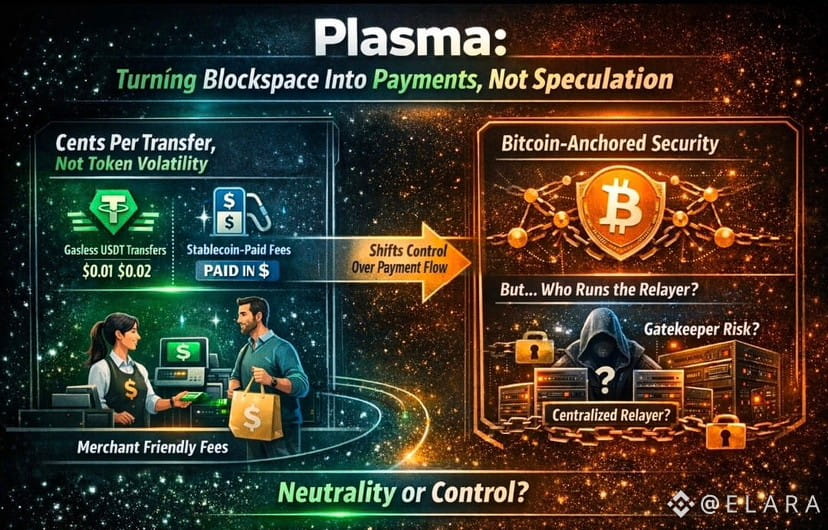
The structure creates waves of selling pressure as different allocations unlock. September 2025 launched with approximately one point eight billion circulating from public sale and initial ecosystem unlock. January 2026 brings the next major unlock. July 2026 brings US public sale unlock plus first team and investor cliff. Each event tests whether demand absorbs new supply.
Plasma applies the EIP-1559 burn mechanism. Base transaction fees get permanently removed from circulation. As usage grows, more fees burn, offsetting validator reward inflation. The mathematics work elegantly if transaction volume scales appropriately. The question becomes whether usage actually grows fast enough.
Validator Economics That Change Everything
Validator rewards begin at five percent annual inflation. This rate decreases by half a percent yearly until reaching three percent baseline. Inflation only activates when external validators and stake delegation go live. During the initial period with Plasma team running all validators, no inflation occurs. This preserves circulating supply during the vulnerable early phase.
The decreasing schedule recognizes that early network security requires higher incentives. As the network matures and becomes more valuable, validators accept lower percentage returns because their absolute returns remain substantial. Three percent on a successful network pays validators well. Five percent on an unproven network compensates for risk.
Locked tokens held by team and investors cannot stake until unlocking. Only circulating supply participates in staking rewards. This prevents insiders from collecting rewards on vested tokens, keeping incentives aligned. Public participants and early ecosystem contributors earn staking returns while team waits their full vesting period.
The progressive decentralization approach starts with Plasma team operating all validator nodes. This enables rapid iteration and problem solving during early operation. External validators join gradually as the network stabilizes. Stake delegation allows regular holders to participate in consensus and earn rewards without operating infrastructure themselves.
Professional validators evaluating Plasma examine the reward structure carefully. Five percent decreasing to three percent compares favorably to other chains where returns dropped dramatically as competition increased. The reward slashing rather than stake slashing reduces risk. Plasma’s focus on stablecoin payments creates predictable transaction volume that generates fees offsetting inflation.
The Eighty-Five Percent Decline Everyone Ignores
XPL launched at approximately one dollar and twenty-five cents on September 25, 2025. The token peaked at one dollar and fifty-four cents in early trading. Market cap exceeded two point eight billion at peak, giving Plasma a fully diluted valuation around ten billion. The launch succeeded by every metric visible to casual observers.
Then reality arrived. Over the following ninety days, XPL declined eighty-five percent from its all-time high. By late December, the token traded around twenty cents. Market cap collapsed. The fully diluted valuation that seemed reasonable at launch looked absurd months later. Most people focused on this price action, declaring Plasma another overhyped launch that failed to deliver.
But examining what happened beneath the price reveals a different story. December brought massive incentive cuts, reducing rewards by over ninety-five percent. This should have devastated the ecosystem. Liquidity farmers chasing yields should have withdrawn capital immediately. Protocols deployed on Plasma should have seen users leave for better opportunities. The TVL should have collapsed in line with the token price.
None of that happened. Stablecoin supply remained around two point one billion dollars. DeFi total value locked stayed near five point three billion. Transaction volumes continued growing. New protocols kept deploying. The ecosystem activity showed minimal correlation to token price or incentive levels. Something about Plasma’s infrastructure created stickiness independent of mercenary capital seeking maximum yields.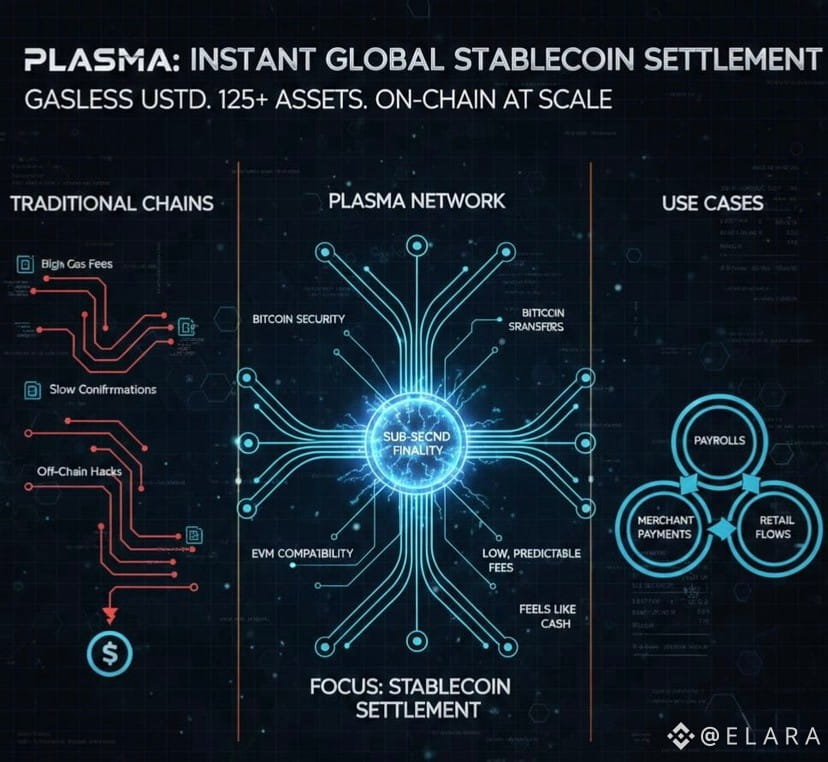
This disconnect between token price and ecosystem health confuses observers. Traditionally, crypto projects live or die by their token performance. Declining prices trigger death spirals as developers leave, users abandon ship, and capital flees. Plasma demonstrated that stablecoin infrastructure might work differently. If your value proposition is zero-fee USDT transfers rather than yield farming, token price matters less than infrastructure reliability.
What The Incentive Cut Actually Proved
The ninety-five percent incentive reduction represents a natural experiment in what drives blockchain adoption. Plasma launched with substantial rewards attracting capital and users. Critics claimed the ecosystem existed only because of these incentives. Cut the rewards, they argued, and everything collapses.
Plasma called this bluff. They reduced incentives dramatically and watched what happened. If the ecosystem was purely mercenary, TVL should have dropped proportionally. A ninety-five percent incentive cut should have caused at least a seventy percent TVL decline as yield farmers left. Instead, TVL held steady. This outcome suggests something beyond incentives kept capital locked.
Several factors explain this stickiness. First, the DeFi protocols deployed on Plasma created actual utility. Aave’s lending markets, Ethena’s synthetic dollar, and other applications served real use cases beyond farming rewards. Users who found value in these applications stayed regardless of incentive changes.
Second, the zero-fee USDT transfer infrastructure delivered tangible benefits. Applications built on Plasma enjoyed operational advantages not available elsewhere. Developers who integrated these features into their products couldn’t easily migrate without rebuilding functionality. This created switching costs independent of token incentives.
Third, the integrated ecosystem made moving harder than it appeared. Liquidity pools, lending positions, and cross-protocol integrations created dependencies. Unwinding everything to chase slightly better yields elsewhere wasn’t worth the transaction costs and opportunity costs of moving. Inertia favored staying put.
Fourth, professional participants distinguished between short-term token price and long-term infrastructure value. Institutional liquidity providers and professional market makers evaluated Plasma based on transaction volume, fee generation potential, and technical reliability. Token price volatility mattered less than these fundamental metrics.
The incentive cut experiment revealed which participants were truly sticky versus which would leave at any opportunity. The fact that five point three billion dollars of TVL remained after cutting rewards by ninety-five percent demonstrates genuine product-market fit for stablecoin infrastructure. This outcome matters more than any token price chart.
The July 2026 Pressure Point
Markets look forward, not backward. The July 28, 2026 date looms as a critical test. US public sale participants unlock their tokens. Team and investor allocations begin unlocking with the one-year cliff. Suddenly, significant supply enters circulation from groups with large unrealized losses.
Consider the mathematics. US public sale participants bought XPL at five cents during the deposit campaign. Even if the token recovers to fifty cents by July 2026, they’re up ten times. Selling half their position returns their initial capital with ten times gains. Letting the rest ride becomes pure upside with no downside. This creates enormous selling pressure.
Team and investor allocations face similar dynamics. Early investors deployed capital at much lower valuations than public sale participants. Even with the eighty-five percent decline from peak, they’re likely still profitable. The one-year cliff releasing one-third of their allocation creates immediate liquidity. Some will hold long-term. Others will take profits, reducing risk in their portfolios.
The question becomes whether demand absorbs this supply. If Plasma’s transaction volume grows substantially by mid-2026, the fee burn mechanism might offset unlock selling. If DeFi protocols on Plasma generate sufficient fees, institutional buyers might step in seeing value. If the broader crypto market rallies, risk appetite could absorb new supply easily.
Conversely, if usage stagnates, the unlock represents pure selling pressure with no offsetting demand. If competing chains capture market share, Plasma’s growth thesis weakens. If crypto markets remain bearish, new supply enters during the worst possible conditions. The July 2026 period tests whether Plasma built genuine infrastructure or just another over-capitalized launch.
Why The Burn Mechanism Might Actually Work
The EIP-1559 style fee burning creates deflationary pressure offsetting validator inflation. Every transaction paying fees in XPL permanently removes tokens from circulation. Simple math shows that sufficient transaction volume creates net deflation despite ongoing validator rewards.
Calculate the break-even point. Five percent annual inflation on ten billion supply equals five hundred million tokens yearly initially. As inflation decreases toward three percent over subsequent years, the annual emission drops to three hundred million tokens eventually. To offset this through burns requires generating sufficient fee revenue.
If average transaction fees equal one dollar and XPL trades at one dollar, the network needs five hundred million transactions annually to break even initially, declining to three hundred million transactions at baseline inflation. At thousands of transactions per second capacity and stablecoin-focused use cases, these volumes seem achievable if Plasma captures even modest market share.
The key variable becomes what percentage of transactions pay fees in XPL versus using the paymaster for zero-fee USDT transfers. Simple transfers are free. Smart contract interactions, DeFi protocols, and complex operations require XPL for gas. If ninety percent of transactions are simple transfers, only ten percent generate burn. This requires ten times the transaction volume to achieve the same deflationary effect.
Plasma’s bet is that as the ecosystem matures, complex operations increase proportionally. Early usage skews toward simple transfers as users test the infrastructure. Mature usage includes more DeFi, more applications, more smart contract interactions. These activities generate fees in XPL that get burned, creating the deflationary dynamic offsetting inflation.
Whether this actually plays out depends on whether developers build fee-generating applications rather than just using Plasma for cheap transfers. The ecosystem needs sophisticated use cases that require XPL for gas. If Plasma becomes primarily a settlement layer for simple stablecoin transfers, the burn mechanism generates insufficient deflationary pressure. If it becomes a comprehensive DeFi ecosystem, burning could exceed inflation.
What Sustained Capital Actually Means
The two point one billion in stablecoin supply remaining after incentive cuts tells us something important. This represents actual capital deposited by users who chose to keep it there despite reduced rewards. They’re not farming and dumping. They’re using the infrastructure for purposes beyond yield extraction.
Some of this capital belongs to protocols who deployed on Plasma and maintain liquidity for their users. Aave needs USDT liquidity for lending operations. Ethena needs stablecoins for their synthetic dollar mechanisms. These protocols aren’t yield farming. They’re operating businesses that require liquidity to function. This capital stays regardless of incentives.
Other capital belongs to users actually using Plasma for its intended purpose. Sending stablecoins with zero fees. Using DeFi protocols for leverage or yield. Holding assets in Plasma-native applications. These users chose Plasma for utility, not farming. When incentives dropped, their use cases remained valid, so they stayed.
Market makers maintaining liquidity for trading pairs represent another sticky capital source. Professional market makers don’t chase farming yields. They make money on trading spreads. If trading volume on Plasma justifies maintaining liquidity, they keep capital allocated regardless of token incentives. The sustained trading volume suggests this dynamic is functioning.
The five point three billion total value locked includes all these categories plus some yield farmers who haven’t left yet. Even if half the TVL represents temporary capital that will eventually leave, the remaining half represents genuine adoption. Building infrastructure that retains two to three billion dollars without paying for it demonstrates actual product-market fit.
The Validator Decentralization Timeline
Plasma launched with the team operating all validator nodes. This centralization enables rapid iteration and problem solving but contradicts blockchain’s decentralization promise. The roadmap calls for progressive decentralization as the network stabilizes and external validators join.
The timeline matters because validator rewards only activate when external validators and stake delegation go live. Until then, no inflation occurs. The team operating validators without token rewards keeps circulating supply constant during the critical early period. This provides stability while the ecosystem establishes itself.
When external validators launch, five percent inflation begins. Stakers earn rewards for securing the network. The inflation creates selling pressure from validators covering operational costs. But it also creates buying pressure from participants wanting to stake and earn yields. The net effect depends on how many tokens get staked versus sold.
High staking ratios reduce circulating supply available for trading. If fifty percent of tokens get staked, effective circulating supply drops by half. Combined with fee burns from transaction activity, this could create supply shortage driving price appreciation. Low staking ratios leave most supply circulating, reducing this effect.
Progressive decentralization also improves network resilience and credibility. Institutional users trust blockchains more when no single entity controls consensus. Exchanges feel more comfortable listing tokens from decentralized networks. Regulators view decentralized systems more favorably than company-controlled chains. Moving toward decentralization checks important boxes for growth.
The Real Question About Sustainability
Strip away the speculation and hype. The question becomes whether Plasma built infrastructure that works independent of token price or incentive levels. The December experiment where ninety-five percent incentive cuts didn’t destroy TVL suggests yes. But one positive data point doesn’t prove long-term sustainability.
Plasma must demonstrate growing transaction volume converting into fee burns that offset inflation. They must show external validators joining and staking meaningful capital. They must prove developers keep building applications that generate fee revenue. They must attract users who value the infrastructure beyond just farming opportunities.
The July 2026 unlock tests whether market demand absorbs supply from team, investors, and US participants. If selling overwhelms buying, the token price could decline further despite positive ecosystem metrics. If demand is strong, the unlock might barely register in price action. This outcome reveals whether markets value what Plasma built.
Success means becoming infrastructure that financial applications rely on regardless of DUSK token performance. The payments layer for stablecoin applications. The settlement network for cross-border transactions. The DeFi backbone for lending and trading digital dollars. If applications depend on Plasma’s infrastructure, usage continues regardless of token speculation.
Failure means usage correlates strongly with token incentives. If transaction volume drops when rewards decrease, the product-market fit was illusory. If TVL eventually follows the token price downward, the sticky capital thesis proves wrong. If developers stop building when tokens lose value, the ecosystem wasn’t truly sustainable.
The next six months provide clarity. Will transaction volumes continue growing? Will fee burns increase as complex applications deploy? Will the July unlock get absorbed? Will validator decentralization proceed smoothly? These concrete metrics determine whether Plasma built something real or just another well-funded launch that couldn’t sustain momentum.
What The Market Misses
Markets obsess over token prices while ignoring fundamentals. Plasma fell eighty-five percent from peak, so conventional wisdom declares it failed. This analysis misses that the ecosystem held together through aggressive incentive cuts that should have been catastrophic. It ignores that professional validators and institutions continue supporting infrastructure independent of token speculation.
The sophisticated participants distinguishing between token price volatility and infrastructure viability recognize value others miss. If Plasma successfully decentralizes validators, grows transaction volume, and maintains ecosystem development, current prices might represent opportunity. If the July unlock passes without collapsing the market, confidence increases that demand exists beyond initial hype.
Conversely, if transaction growth stalls, if developers stop building, if the validator decentralization delays indefinitely, current prices might still be too high. Token speculation trades narratives and momentum. Infrastructure investment requires evaluating actual usage, developer activity, and revenue generation potential.
Plasma’s experiment in radical incentive reduction revealed important truths about what drives blockchain adoption. The two billion dollars that remained when ninety-five percent of rewards disappeared represents real capital choosing infrastructure over incentives. Whether that’s enough to build on depends on execution over the coming months, not token price charts over past months.

