Imagine this: huge institutional funds—trillions, really—moving onto blockchain rails, invisible to the outside world but totally clear for regulators. That’s not some far-off crypto fantasy. Dusk Network is making it happen right now. Since launching in 2018, Dusk has grown into a real force in regulated, privacy-first financial infrastructure. They’ve built a modular Layer 1 blockchain that mixes advanced tech with compliance, so DeFi and real-world assets can finally play by the rules. Privacy isn’t just a feature here. It’s in the DNA. Institutions get confidentiality and auditability, no trade-offs.
The magic? Privacy-preserving smart contracts that run on zero-knowledge proofs. Tokens and transactions—amounts, balances, counterparties—stay encrypted on-chain. Still, auditors or regulators can see what they need to, thanks to selective disclosure. Take the Phoenix transaction model. It uses zero-knowledge proofs to let people transfer assets privately; the public can’t see the details, but the chain can prove everything’s above board. Then there’s Rusk, a WebAssembly-based virtual machine designed for efficient zero-knowledge verification and speedy Merkle trees. Dusk handles complex, private state changes like it’s nothing. Updates to Rusk in December 2025 added event queries, structured reporting, and better transaction data. So, the system’s more reliable than ever for real-world finance.
Dusk’s consensus, called DuskDS, uses proof-of-stake with a twist—Succinct Attestation. It’s a committee system that delivers finality, no guesswork. Every transaction gets a certified stamp, which wipes out the uncertainty that haunts other blockchains—especially when regulation is on the line. You don’t have to infer finality from network activity; Dusk just gives you the receipt. Institutions love that. Plus, you can choose between public and shielded transactions. Block times hover around 10 seconds, and the network churns out about 8,600 blocks a day, all with low failure rates and rock-solid performance.
Dusk also stands out with its EVM compatibility through DuskEVM and Lightspeed layers. Developers can use familiar Solidity tools and still get programmable privacy. This setup separates consensus from execution, so it scales well without cutting corners on security. Under the hood, it runs on advanced cryptographic primitives—PLONK, BLS12-381, Poseidon, JubJub, Schnorr. The result? A streamlined protocol that cuts operational headaches and risk. It’s tailor-made for tokenizing securities like stocks, bonds, and derivatives—with compliance and transfer rules built in from the start. The W3sper SDK makes integration easier, exposing APIs and event systems that handle real-world data quirks.
But it’s not just talk—Dusk is actually making moves. Back in 2020, they bought 10% of NPEX, and by March 2024, that turned into a commercial partnership. Fast forward to February 2025: Dusk and Cordial Systems delivered new blockchain-based exchange and custody solutions. NPEX now manages €300 million in assets and powers Dusk Trade—a regulated platform for tokenized assets and RWAs. Dusk also joined 21X, the first EU firm licensed for fully tokenized securities markets under DLT-TSS, which opens up a whole new world for compliant trading. Throw in the MiCA-compliant EURQ e-money token from Quantoz, and Dusk is right at the heart of European regulatory action—DLT Pilot Regime, GDPR, MiFID II, you name it.
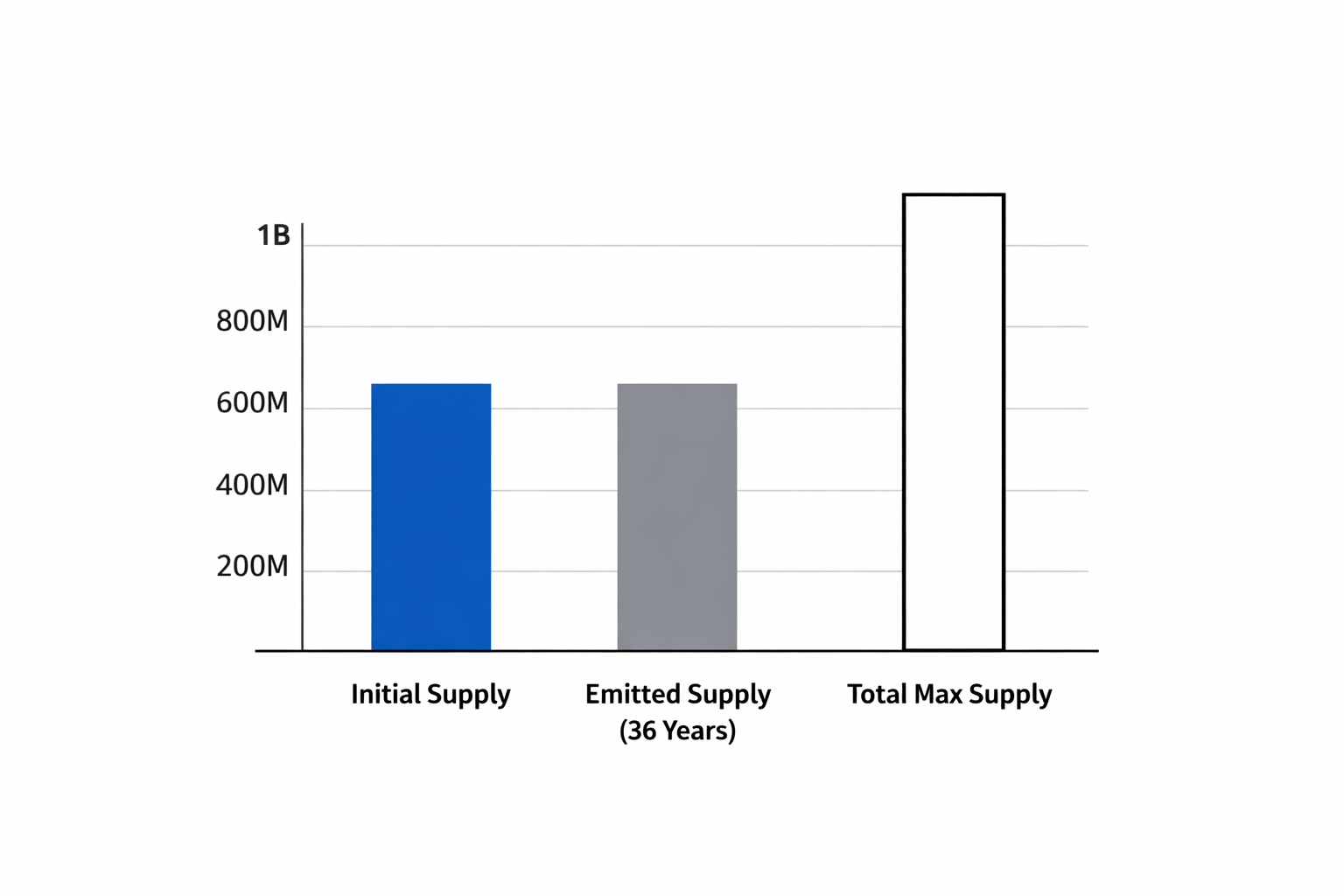
Tokenomics are built for the long haul. Dusk started with 500 million DUSK and will emit another 500 million over 36 years, using geometric decay every four years—hard cap at 1 billion. Each block burns some DUSK; the rest goes to stakers, who secure the network. Minimum staking and epochs keep people engaged. Right now, there are about 32,900 holders, 460 daily transfers, and a Uniswap v3 DUSK-USDT pool with $300,000 locked. That’s real traction for a privacy-first chain.
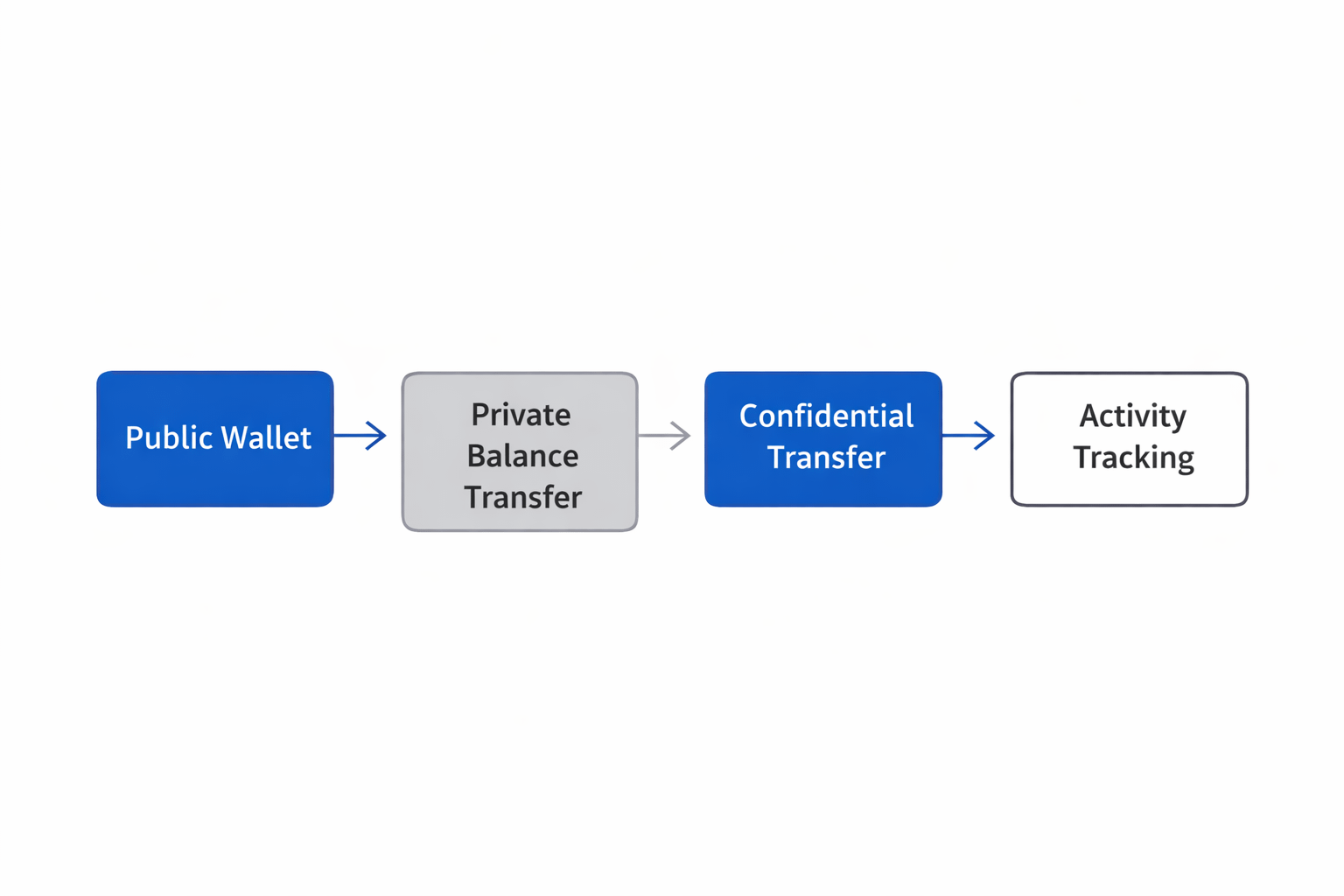
The latest? Dusk launched Hedger on their EVM testnet—a big step for private payments. Users can move funds between public and private balances, send confidential transfers, and keep tabs on their activity without broadcasting it. They just rolled out ERC-20 support, a guest mode for quick trials, and a smoother interface. Things are moving fast, and Dusk’s privacy revolution is just getting started.