
The Walrus Protocol is emerging as one of the most promising decentralized finance (DeFi) platforms, focusing on secure, private, and efficient blockchain interactions. At the heart of this ecosystem lies its native cryptocurrency token, WAL, which not only powers transactions but also facilitates governance, staking, and participation in decentralized applications (dApps). With the growing demand for privacy-preserving solutions in blockchain technology, Walrus is positioning itself as a game-changer for both developers and end-users.
The WAL token functions as the lifeblood of the Walrus ecosystem. Unlike conventional cryptocurrencies that serve primarily as a medium of exchange, WAL enables users to actively participate in the platform’s governance. Token holders can vote on protocol upgrades, staking rules, and even the integration of new decentralized applications. This level of community engagement strengthens the platform’s decentralization and ensures that decisions are made collectively rather than by a centralized authority.
One of the unique selling points of the Walrus Protocol is its commitment to privacy-preserving transactions. Using advanced cryptographic techniques, the platform allows users to send and receive funds without exposing sensitive information. This is particularly important in an era where data breaches and surveillance concerns are on the rise. WAL tokens can be used for these private transactions, ensuring that users maintain control over their financial privacy.
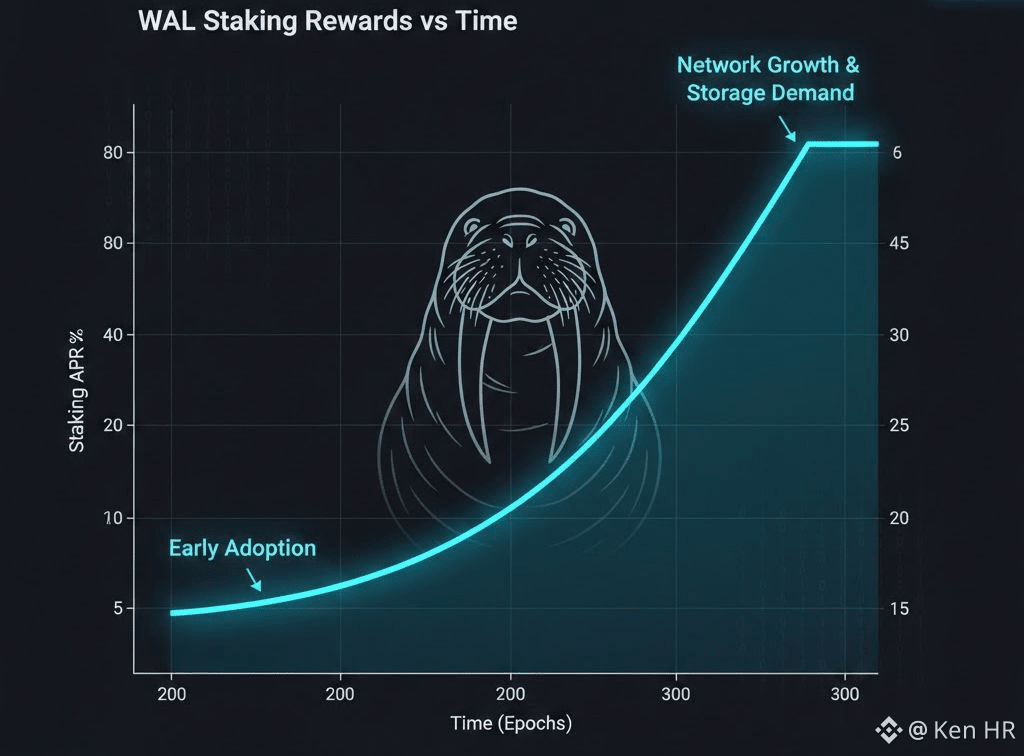
Beyond transactions, WAL tokens are integral to the staking mechanism on Walrus. By staking WAL, users not only earn rewards but also contribute to network security. The protocol incentivizes long-term participation and fosters a robust, trustless ecosystem.
The Walrus Protocol also enables decentralized data storage. By leveraging a combination of erasure coding and blob storage, it distributes large files across multiple nodes in a decentralized network. WAL tokens are used to pay for storage services, creating a seamless economy for users seeking privacy-conscious cloud alternatives. This makes the platform attractive to dApps, enterprises, and individuals looking for secure, censorship-resistant storage solutions.
Operating on the Sui blockchain, Walrus benefits from high throughput and low latency. Sui’s scalable infrastructure allows Walrus to handle a large number of transactions efficiently, making it suitable for both enterprise-level applications and everyday users. The integration of WAL tokens ensures that the ecosystem remains decentralized while maintaining high performance.
The Walrus ecosystem is designed to cater to a variety of participants. Developers can deploy private dApps that leverage both WAL and the decentralized storage features. Users can interact with these dApps while keeping their activity confidential. WAL tokens act as the fuel for these interactions, promoting a self-sustaining economic model.
Privacy and decentralization are not just technical features—they are key market differentiators. Unlike traditional cloud storage or centralized finance systems, the Walrus Protocol guarantees that users retain control over their data and assets. This is particularly relevant in regions with strict regulatory environments or for users who prioritize financial and data privacy.
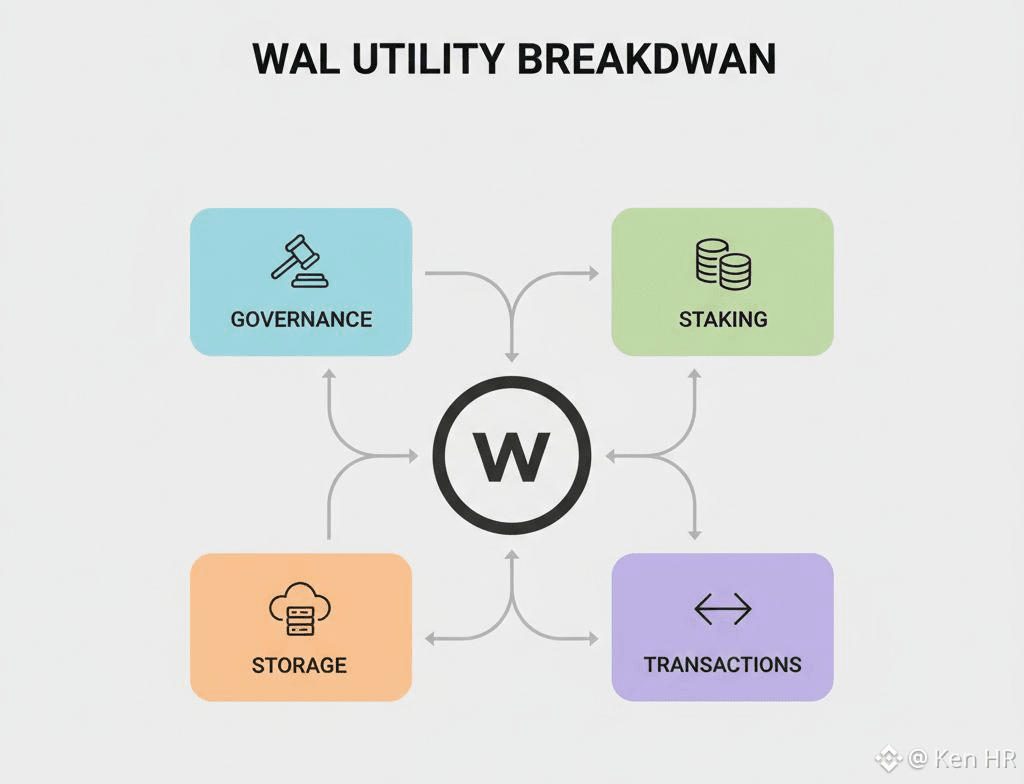
Economically, WAL tokens have multiple utilities: they are a medium of exchange within the ecosystem, a governance tool, a staking asset, and a payment method for decentralized storage. This multi-faceted utility strengthens WAL’s demand and positions it as a cornerstone of the protocol.
The platform also emphasizes cost-efficiency. Traditional cloud solutions can be expensive and centralized, exposing users to censorship risks. By contrast, Walrus provides a decentralized alternative that distributes storage costs across the network, making it more affordable while maintaining robust security standards.
Security is another critical focus. The Walrus Protocol uses advanced encryption and network redundancy to ensure that stored data remains safe even if individual nodes fail. WAL tokens facilitate these operations, as node operators are rewarded for providing storage and maintaining the network’s integrity.
Community engagement is central to the ecosystem. By holding WAL tokens, users not only participate in governance but also gain early access to new features, dApps, and storage solutions. The protocol encourages active involvement, fostering a sense of ownership and accountability among its participants.
Looking forward, the Walrus Protocol plans to expand its ecosystem by onboarding more developers, increasing staking incentives, and enhancing privacy features. WAL tokens will remain at the core of this growth, ensuring that the protocol remains decentralized, secure, and user-driven.
For investors and crypto enthusiasts, WAL represents an opportunity to engage with a multi-dimensional platform. Unlike single-purpose tokens, WAL combines financial utility, governance power, and technical functionality, making it a compelling addition to the DeFi and blockchain landscape.
In summary, the WAL token is more than just a cryptocurrency—it is the engine that powers the Walrus ecosystem. By combining privacy, decentralized storage, staking rewards, and governance, Walrus offers a holistic solution for the next generation of blockchain users. As demand for secure, private, and decentralized solutions grows, WAL is poised to play a pivotal role in shaping the future of DeFi and data storage.

