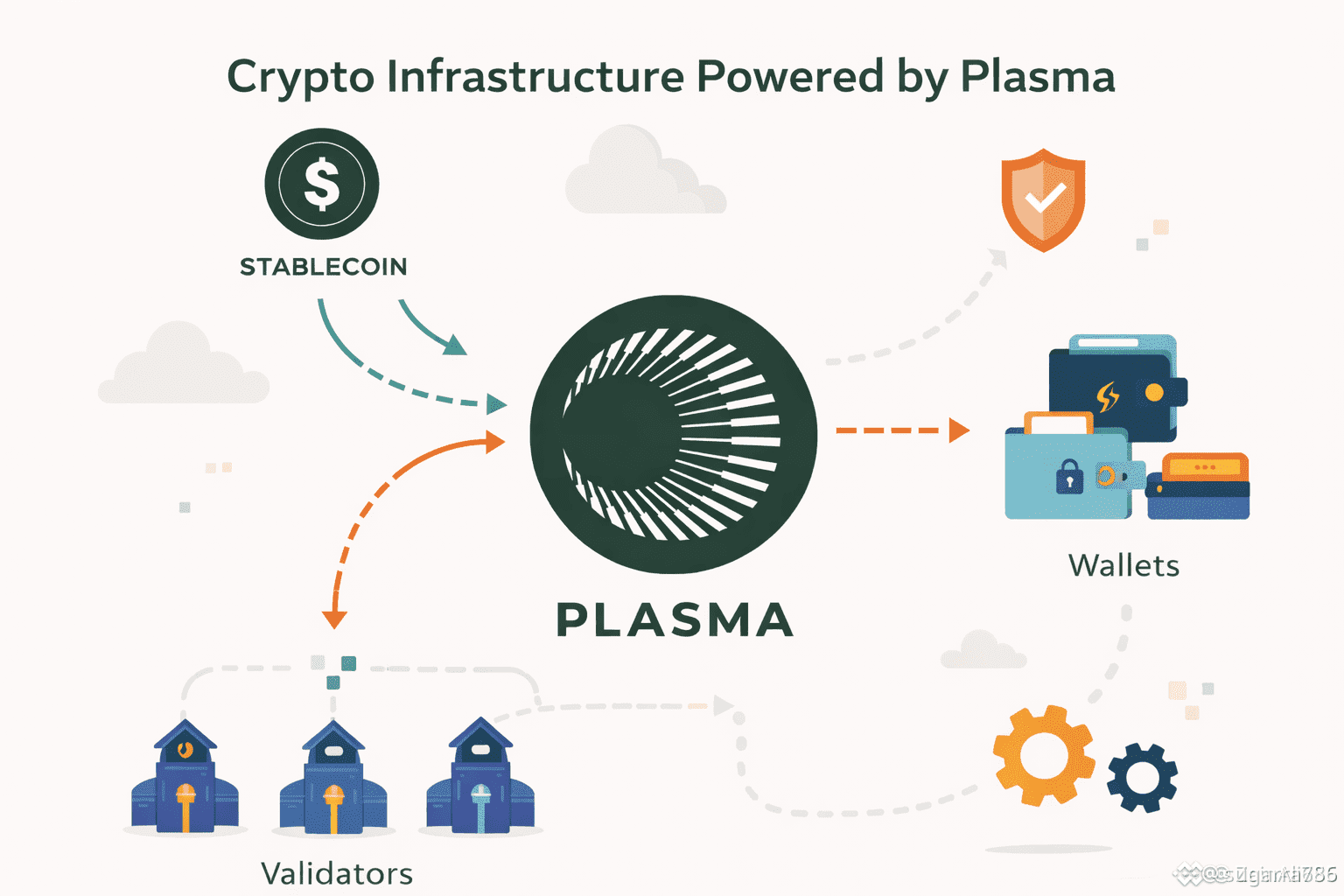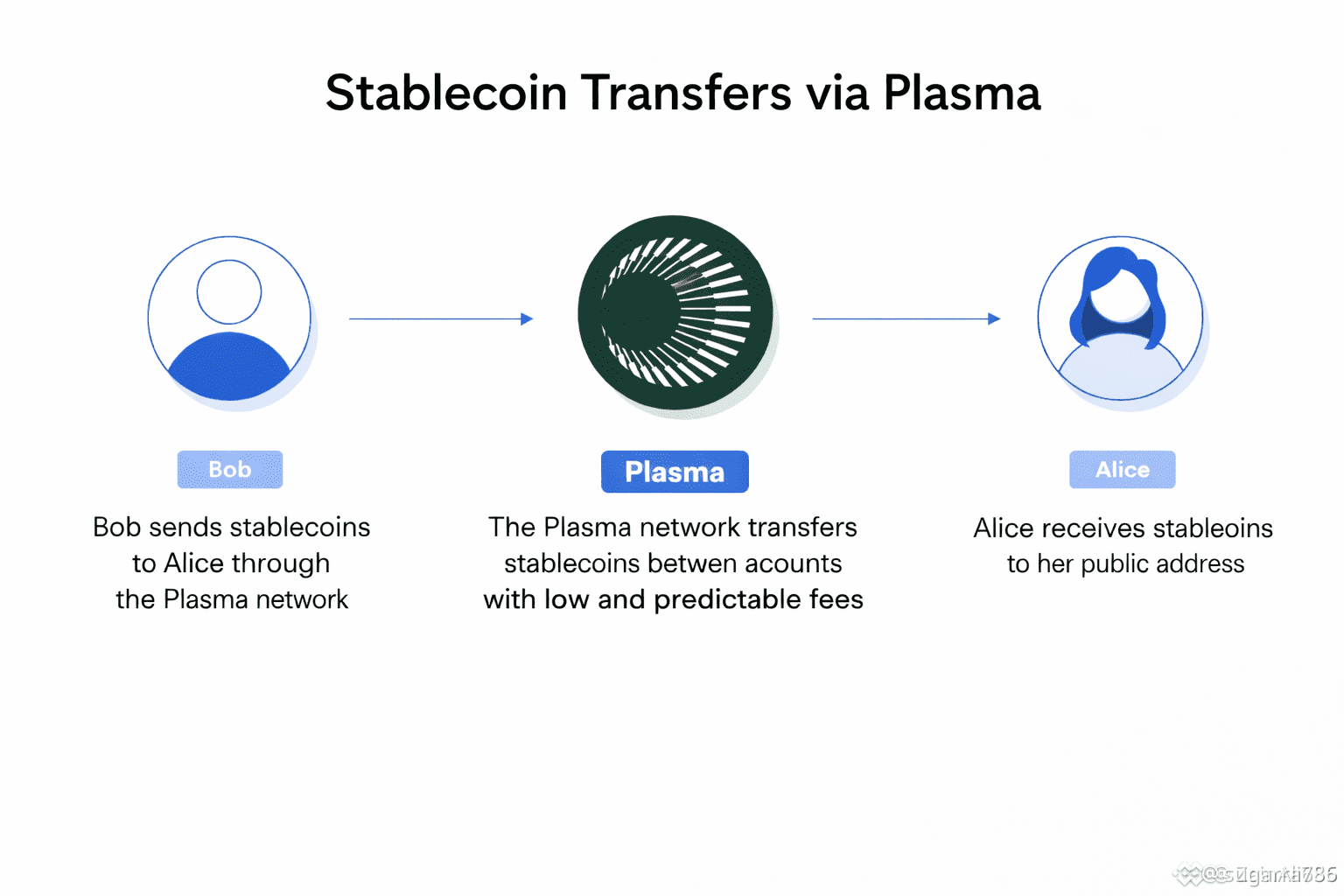
I’ve been checking Plasma again recently, and the shift I’m noticing isn’t about hype or price. It’s about behavior. The network feels less like something people are testing and more like something they’re actually relying on. That’s usually a quiet transition, but it matters a lot for infrastructure. Plasma seems to be right in the middle of it. Recent activity on Plasma continues to be dominated by stablecoin transfers, which is exactly what the network is designed for. What’s interesting is that this pattern hasn’t really changed week to week. There aren’t big spikes followed by drop-offs. Usage looks steady, almost routine. That’s what you expect from payment and settlement rails once people start trusting them. Another thing worth noting is how the network handles load. Even as transaction counts fluctuate, fees remain low and predictable. There’s no sudden fee chaos when things get busier. That kind of consistency is hard to appreciate until you’ve used chains where costs explode without warning. @Plasma feels built to avoid that frustration, and so far the data supports it.
Wallet activity also looks more distributed now. Transfers aren’t being driven by just a handful of addresses. Rather, value movement is spread across a wider range of users. That usually points to organic usage rather than scripted volume or short-term incentives. It’s not explosive growth, but it’s healthier growth. On the network side, validator participation continues to expand gradually. That’s another sign Plasma is moving past its early phase. Decentralization doesn’t happen overnight, but steady progress here shows the project is thinking long term rather than optimizing for optics. When I compare Plasma to other chains pushing into the payments or stablecoin narrative, the difference is pacing. Some networks chase volume boldly with incentives, then struggle to keep activity once rewards fade. #Plasma seems more comfortable letting usage grow naturally around its core function. It makes the metrics less flashy, but more believable.
The $XPL token fits that same rhythm. It isn’t driving the story right now, and that’s probably fine. Infrastructure tokens usually start making sense after usage becomes dependable, not before. If Plasma keeps handling stablecoin settlement reliably, the value of execution and blockspace becomes more obvious over time. There are still real challenges ahead. Competition in payments infrastructure is intense, and regulatory pressure around stablecoins isn’t going away. Plasma still needs continued adoption from builders and real integrations to keep momentum going. But right now, the signals feel aligned. The network is behaving the way a settlement layer should. Quiet, consistent, and useful. Those are not the projects that trend early, but they’re often the ones that last. That’s why Plasma still has my attention.