

Today I was sitting in my room, just thinking about something very basic but very important: how we actually deposit our assets using wallet addresses.
It sounds simple. Copy an address, send funds, done.
But when I started checking the details, I realized something uncomfortable. Most people don’t really understand what they are doing. They follow shortcuts, choose the cheapest fee, or guess the network. That is exactly how funds get stuck or lost forever.
So I decided to write this. A clear, step by step article that explains everything in plain language. No hype. No shortcuts. Just how deposits really work.
Why Depositing by Address Is Not “Just Copy & Paste”
In crypto, an address is not enough by itself.
Every address lives on a specific network. If the network does not match, the blockchain has no idea where your money should go.
Think of it like this:
Address = house number
Network = city
Sending money to the right house number but in the wrong city means the money never arrives.
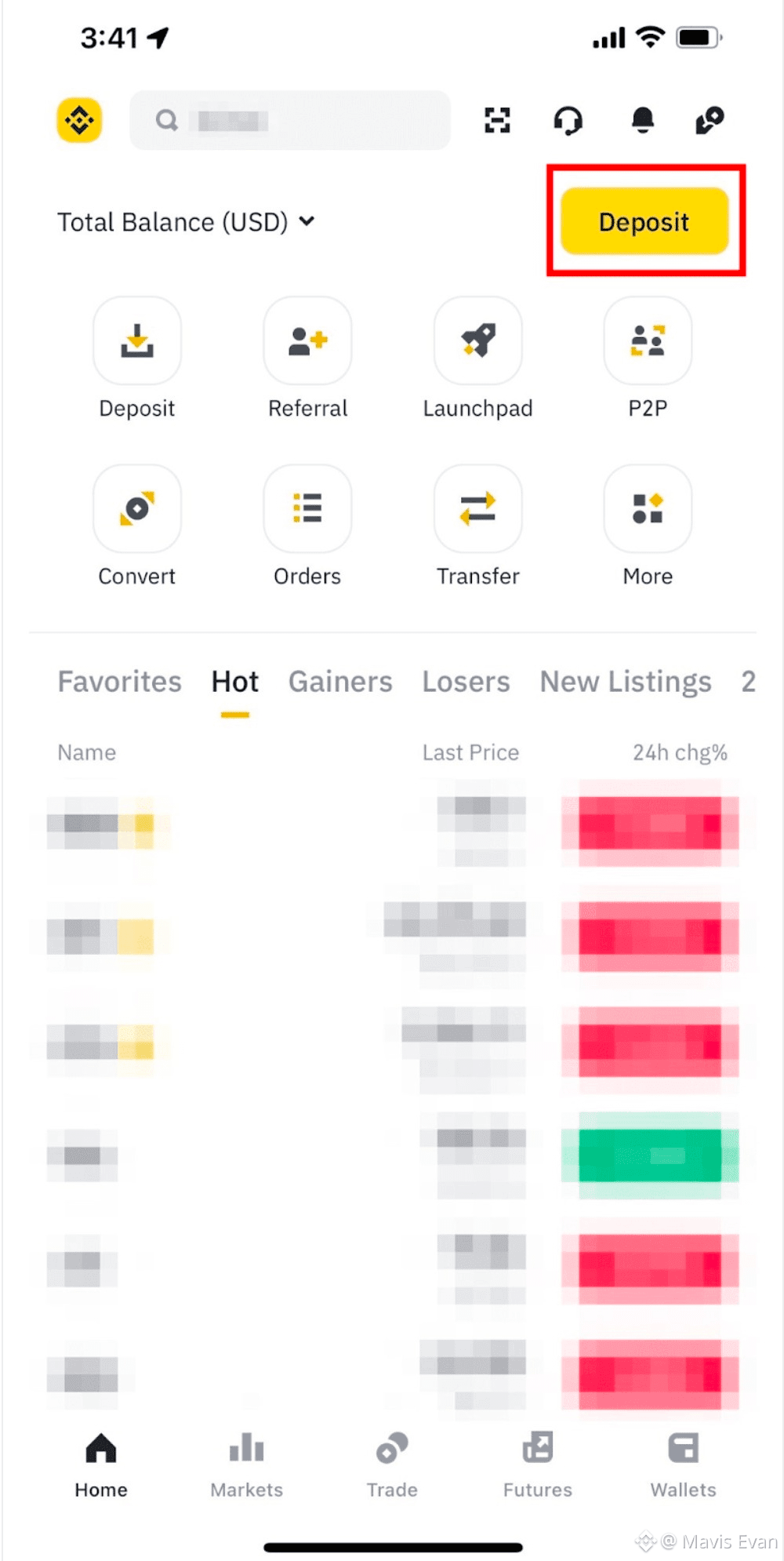
That’s why understanding networks matters more than fees or speed.
Step 1: Understand What a Network Actually Is
A network is the blockchain that processes your transaction.
The same token name can exist on multiple networks, but each one is completely separate.
Here are the most common ones people confuse.
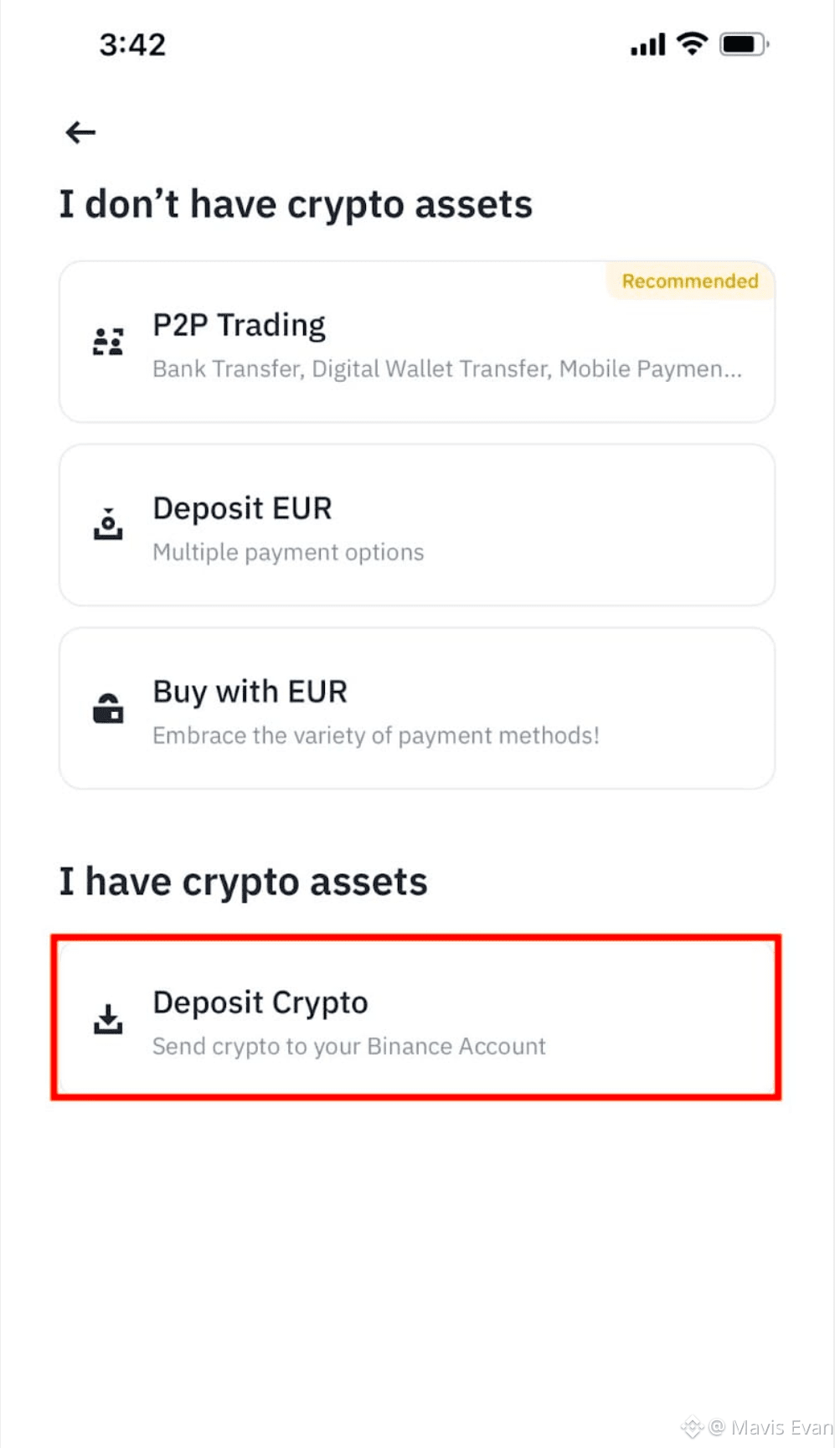
Step 2: Know the Major Deposit Networks (One by One)
BEP2
BEP2 belongs to the BNB Beacon Chain (formerly Binance Chain).
Key things to know:
It usually requires a Memo
Without the Memo, funds may not be credited
Mostly used inside the Binance ecosystem
If you forget the Memo, recovery is difficult and sometimes impossible.
BEP20
BEP20 runs on BNB Smart Chain (BSC).
Key things to know:
Very low fees
Fast transactions
Address format looks similar to Ethereum (starts with 0x)
No Memo required
Many people lose funds by sending BEP20 tokens to an ERC20-only platform.
ERC20
ERC20 runs on the Ethereum network.
Key things to know:
High security
Higher fees
Widely supported by exchanges and wallets
Address starts with 0x
If a platform supports only ERC20, you must use ERC20 even if fees are higher.
TRC20
TRC20 runs on the TRON network.
Key things to know:
Very low fees
Fast transfers
Popular for USDT transfers
Address usually starts with T
Cheap does not mean compatible. Many platforms do not support TRC20.
EOS Network
EOS uses its own network structure.
Key things to know:
Memo is mandatory
Address alone is not enough
Missing Memo can cause permanent loss
Always double-check Memo fields for EOS.
BTC (Bitcoin Network)
This is the original Bitcoin network.
Key things to know:
Higher fees
Slower confirmation
Very secure
Only send BTC to BTC addresses.
BTC (SegWit)
This is Bitcoin with Segregated Witness (bech32).
Key things to know:
Address starts with bc1
Lower fees than legacy BTC
Faster and more efficient
You can send BTC to SegWit addresses, but only if the platform supports it.
Step 3: Memo Is Not Optional (When Required)
Some networks, like BEP2 and EOS, use a Memo to identify your account.
If you:
Enter the address but skip the Memo
Enter the wrong Memo
The system cannot detect your deposit.
Always treat Memo like part of the address.
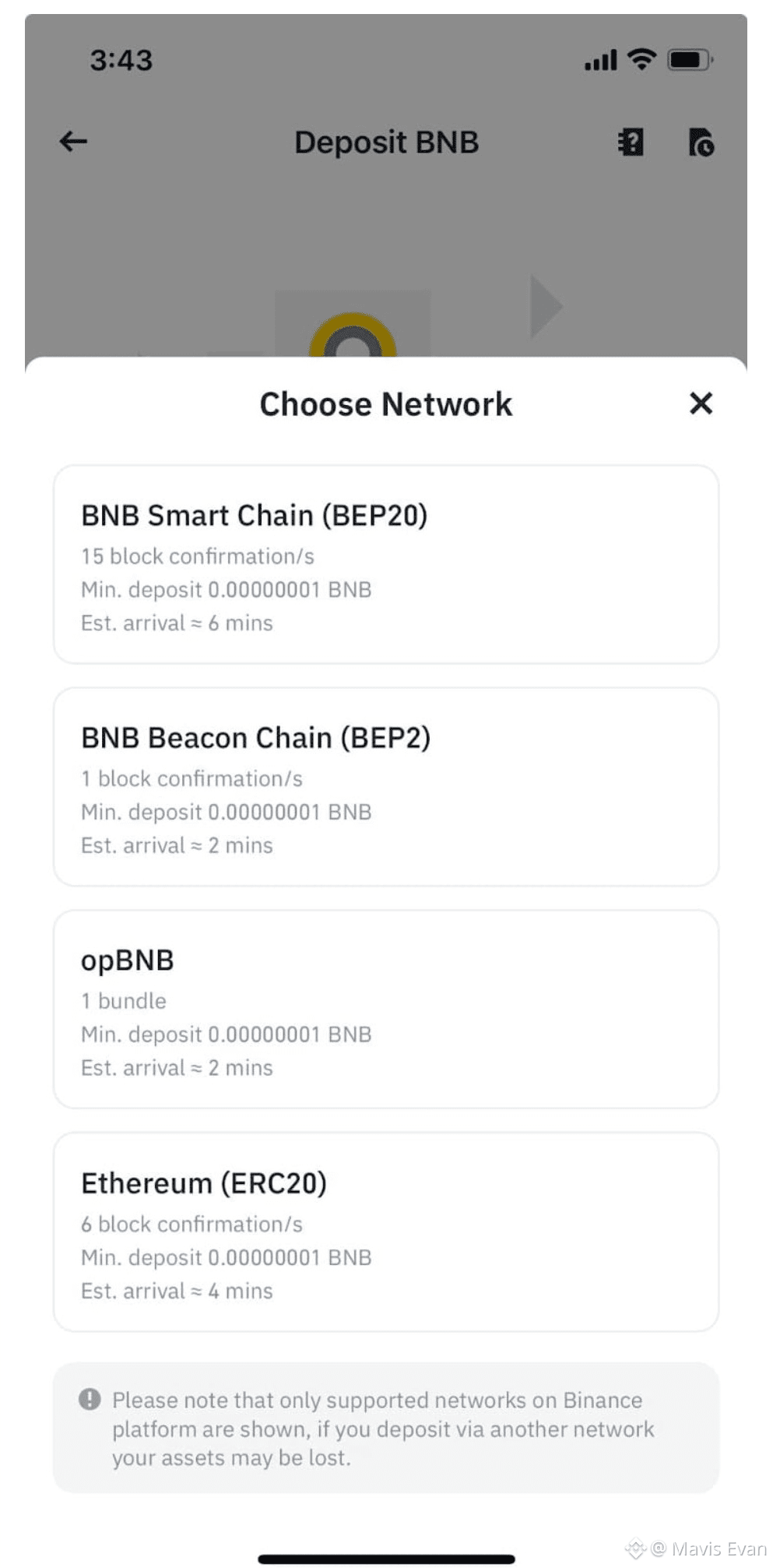
Step 4: Network Matching Is Everything
Before depositing, always ask one question:
Does the sending platform support the same network as the receiving platform?
Examples:
ERC20 → ERC20 only
BEP20 → BEP20 only
TRC20 → TRC20 only
Cross-network transfers do not work unless a bridge is involved, and normal deposits are not bridges.
Step 5: Never Choose a Network Just Because It’s Cheap
This is where most people fail.
Low fee does not mean safe.
Cheap does not mean supported.
If the external wallet supports only ERC20, you must use ERC20 even if BEP20 is cheaper.
Saving a few dollars is not worth losing everything.
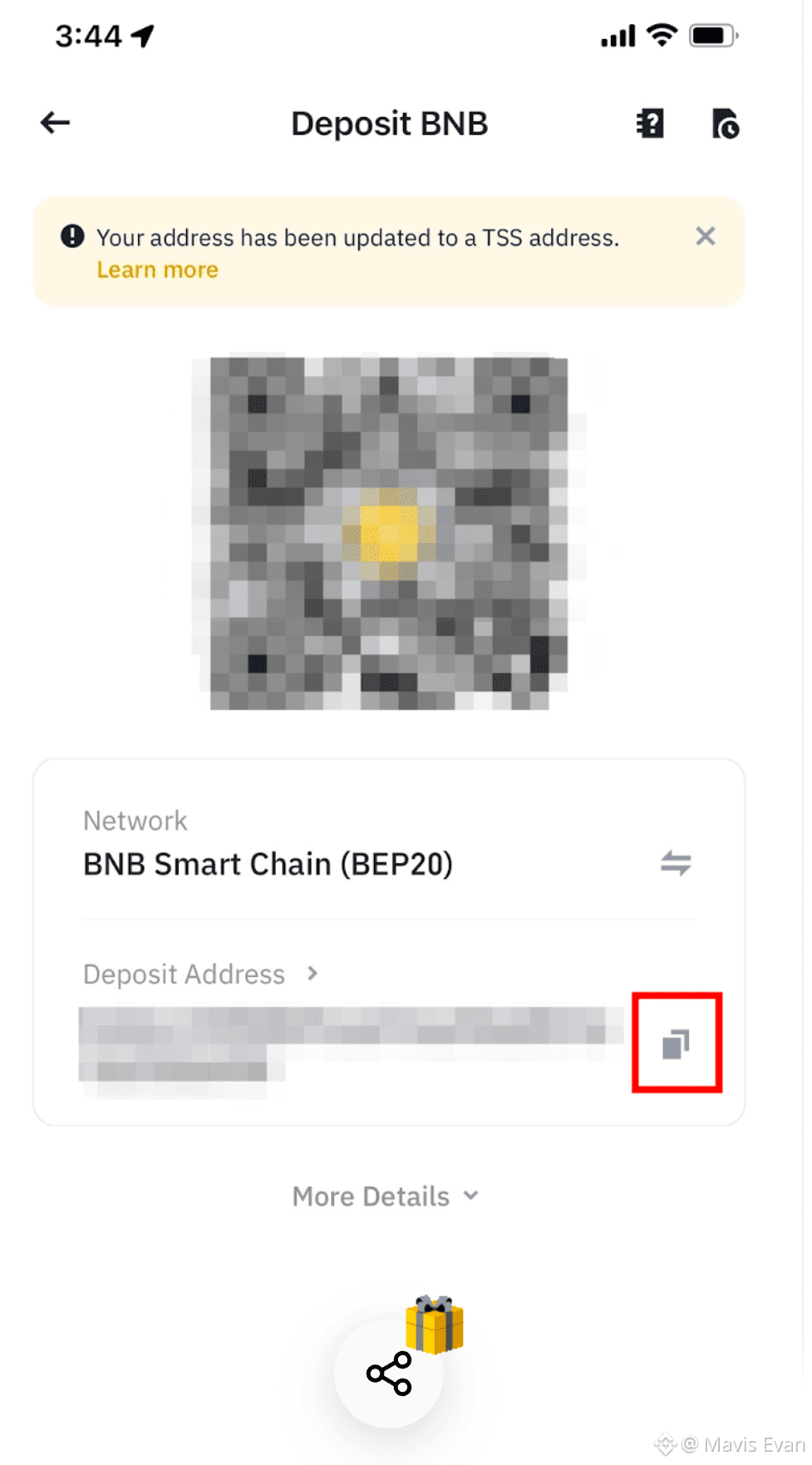
Step 6: Final Checks Before You Click Confirm
Before sending any funds, pause and check:
Network matches on both sides
Address is copied correctly
Memo is included (if required)
Amount is correct
Platform supports that network
One mistake here can mean permanent loss.
After going through all this, I realized the problem isn’t complexity.
The problem is assumptions.
People assume all addresses are the same.
They assume cheaper is better.
They assume mistakes can be reversed.
Crypto does not forgive assumptions.
If you understand networks, memos, and compatibility, depositing by address becomes safe and predictable. Ignore these basics, and even a simple transfer can turn into a disaster.
That’s why I wrote this.
Because knowing how to deposit is just as important as knowing what to deposit.
