

Most L1s were built for one thing only: push more transactions, cheaper, faster, louder. Throughput became a commodity. And when AI showed up? It was slapped on later… a plugin here, an integration there. Useful, sure. But never native.
@Vanarchain took a different route. Instead of retrofitting intelligence, it rebuilt from the ground up. No narrative chasing,or buzzword sprints. Just primitives designed for a world where AI isn’t an accessory --- it’s the core.
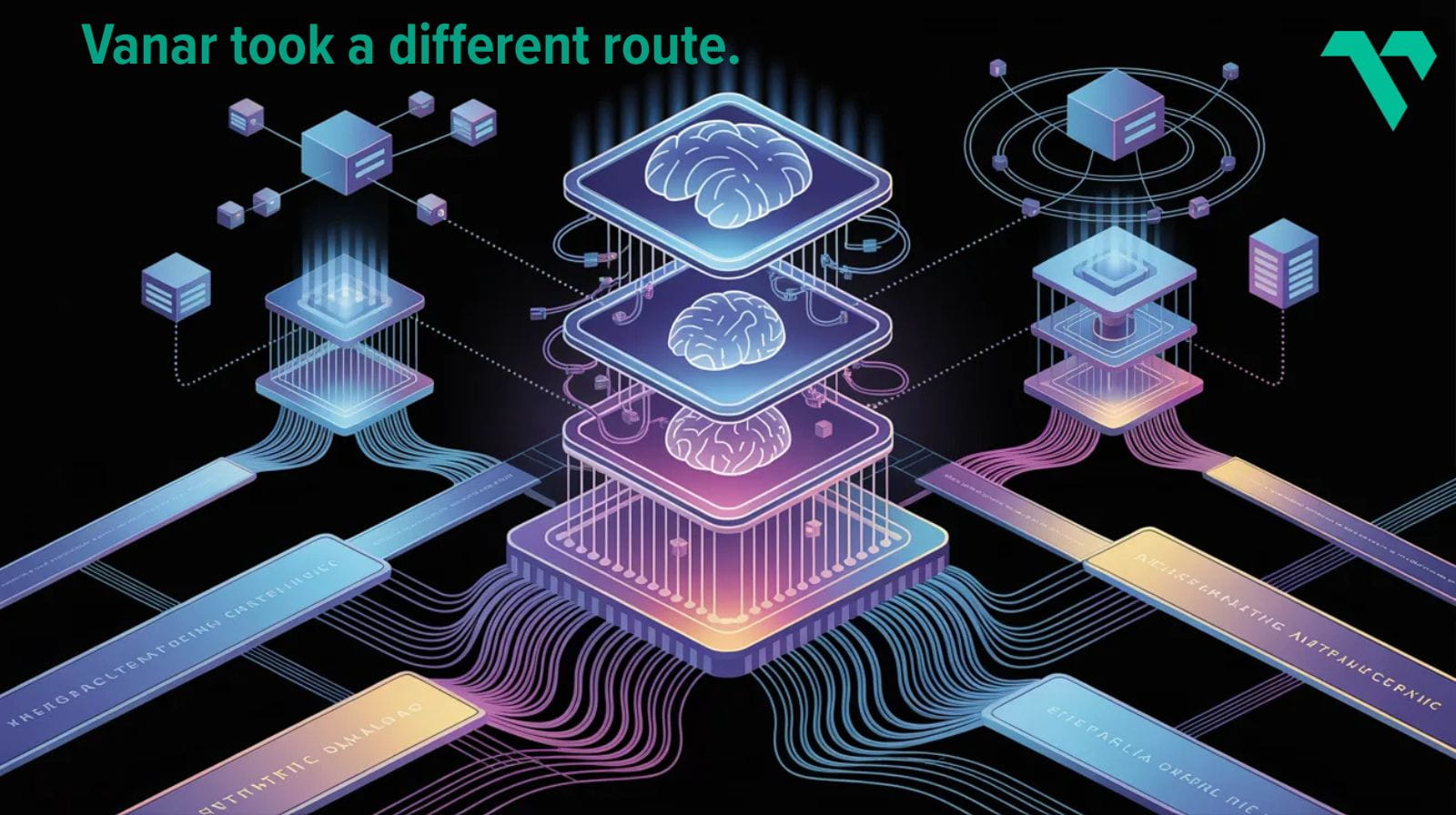
That’s where the stack starts to click. Kayon isn’t pulling data from fragile oracles, it reasons directly onchain, querying, validating, understanding live data as it moves. Axon takes those AI decisions and turns them into real execution --- not suggestions, not dashboards, actual enforceable actions. And Flows wraps everything into something enterprises can actually use without duct tape and prayers.
Then MyNeutron slowly made it tangible. This isn’t theory anymore. Real users are managing workflows, watching feedback loops evolve, memory compounding instead of resetting. Conversations don’t disappear. Context sticks. Intelligence grows.

What really flips the script is how easy it is to plug in. EVM compatibility is there, but more importantly, SDKs in JavaScript, Python, and Rust mean builders aren’t migrating -- they’re integrating. Minutes, not months.
That’s why the conversation has changed. Builders aren’t asking where to deploy on #Vanar anymore. They’re asking how to inject Vanar’s intelligence into systems that already exist.
And this is just the base layer. Heading into 2026, MyNeutron turns raw data into semantic, onchain knowledge -- deeds, invoices, records that don’t just sit there, but act as living proofs. Data that remembers, reasons, and compounds value over time.
The stack isn’t coming. It’s already here.
$VANRY
