
📉 Crypto Adoption Rises Amid Deepening Economic Stress
As Iran grapples with prolonged U.S. sanctions, soaring inflation, and the sharp collapse of its national currency, cryptocurrencies are increasingly emerging as an alternative financial lifeline. Many Iranian citizens are turning to digital assets to preserve value and move funds beyond the reach of the state-controlled banking system.
According to blockchain analytics firm Chainalysis, Iran’s on-chain crypto ecosystem processed over $7.78 billion in transactions during 2025, marking a significant increase from the previous year. The surge highlights how digital currencies are filling critical gaps in an economy under sustained pressure.
💸 Cryptocurrency as a Shield Against Currency Collapse
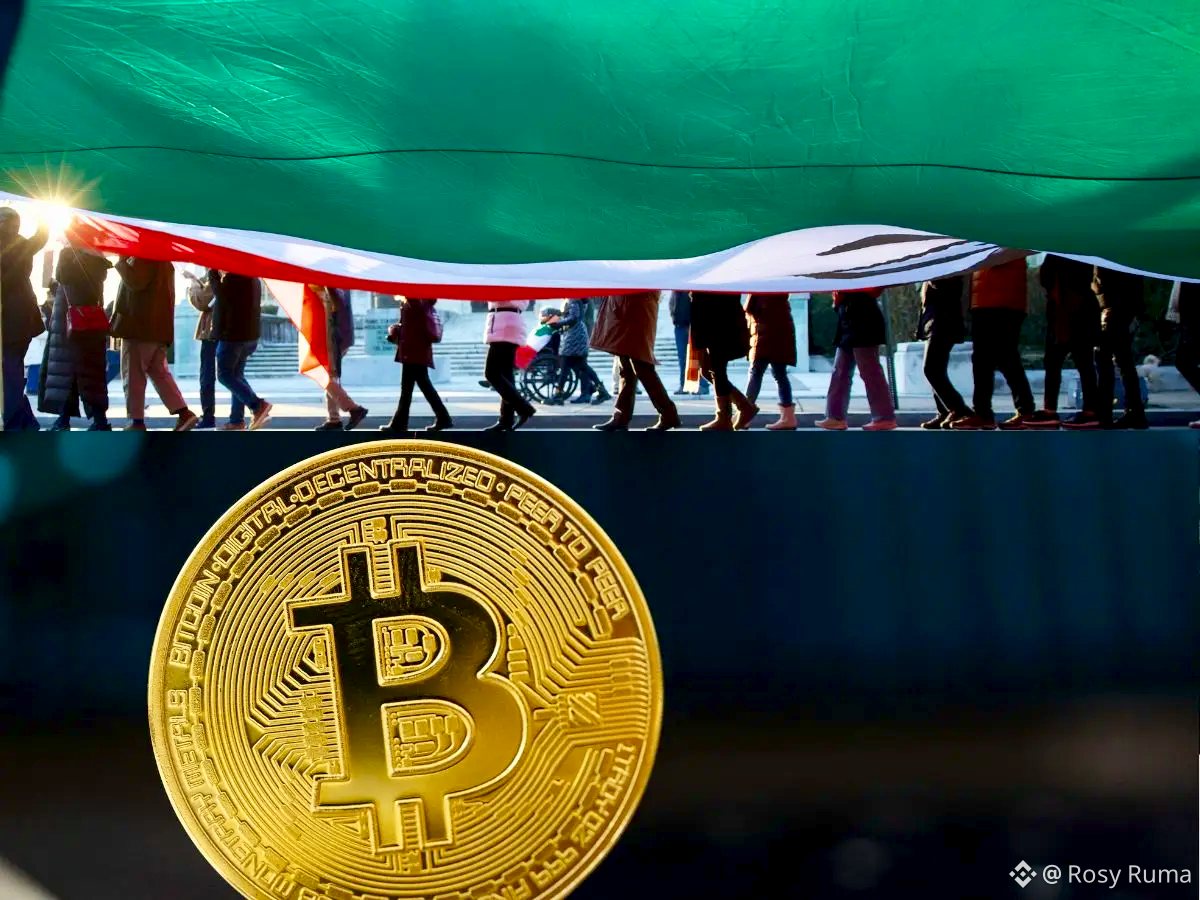
The financial strain intensified toward the end of 2025, when widespread protests erupted across Iranian cities beginning December 28. These demonstrations were fueled by economic hardship, runaway inflation, and a rapidly depreciating rial.
In 2025 alone, Iran’s currency lost nearly 50% of its value against the U.S. dollar, with official inflation reaching 42.5% by December. At present, $1 trades at roughly 1.07 million rials, eroding household savings at an alarming pace.
As confidence in traditional financial systems weakens, many Iranians have moved Bitcoin and other cryptocurrencies off local exchanges into private, unattributed wallets. This shift reflects a growing effort to maintain purchasing power and financial independence amid economic uncertainty.
🌐 Blockchain Activity Spikes During Protests and Internet Blackouts
Periods of political unrest have coincided with noticeable spikes in crypto activity. Chainalysis data shows a surge in Bitcoin transfers to personal wallets between December 28, 2025 and January 8, 2026, a time marked by nationwide protests and state-imposed internet blackouts.

These patterns suggest that during moments of instability—when access to conventional banking and online services is restricted—cryptocurrencies become a critical channel for financial continuity.
🔐 Bitcoin as Both Refuge and Resistance
For many Iranians, Bitcoin has evolved beyond an investment asset. It is increasingly viewed as a tool of financial survival, offering protection against capital controls, inflation, and currency devaluation.
Blockchain trends in Iran mirror developments seen in other economically stressed nations, where crypto adoption rises as trust in state-managed financial institutions erodes and individuals seek liquidity beyond official oversight.
🏛️ IRGC’s Growing Presence in the Crypto Economy
Crypto usage in Iran is not limited to civilians. Analysts estimate that wallets linked to the Islamic Revolutionary Guard Corps (IRGC) accounted for nearly 50% of Iran’s total on-chain transaction value in late 2025.
Receipts tied to these entities reportedly increased from approximately $2 billion in 2024 to more than $3 billion in 2025. Experts caution that the true scale may be higher, as many sanctioned wallets and intermediary addresses remain unidentified.
🌍 Sanctions Evasion and Cross-Border Financial Flows
Western authorities believe that state-linked actors, including the IRGC, use cryptocurrencies to bypass sanctions, move funds across borders, and support regional operations. This adds a geopolitical layer to Iran’s crypto expansion, positioning digital assets as tools for sanctions-resilient finance.
As crypto operates outside traditional banking rails, it enables transactions that are harder to trace and restrict, complicating enforcement efforts.
⚖️ A Fragmented Financial Reality
Iran’s growing reliance on cryptocurrencies reflects deeper structural challenges. A weakened currency, restricted access to global financial networks, and persistent domestic unrest have collectively pushed both individuals and institutions toward decentralized financial alternatives.
As economic pressures continue, cryptocurrencies are likely to remain a dual-force within Iran—serving as a refuge for ordinary citizens while also enabling actors seeking to navigate sanctions and capital controls.
