

For many people, blockchain still means one simple thing: moving value from one place to another. A transaction goes in, a transaction comes out, and the job is done. But real finance is not built on single actions. It is built on agreements, obligations, and processes that unfold over time. That is the way Dusk looks at the world.
Dusk is designed to think in contracts, not just transactions. A contract is not one moment, it is a relationship. It has conditions, steps, checks, and outcomes. It might involve many parties, change state over time, and only be considered complete when every rule has been followed. This is much closer to how real financial systems work.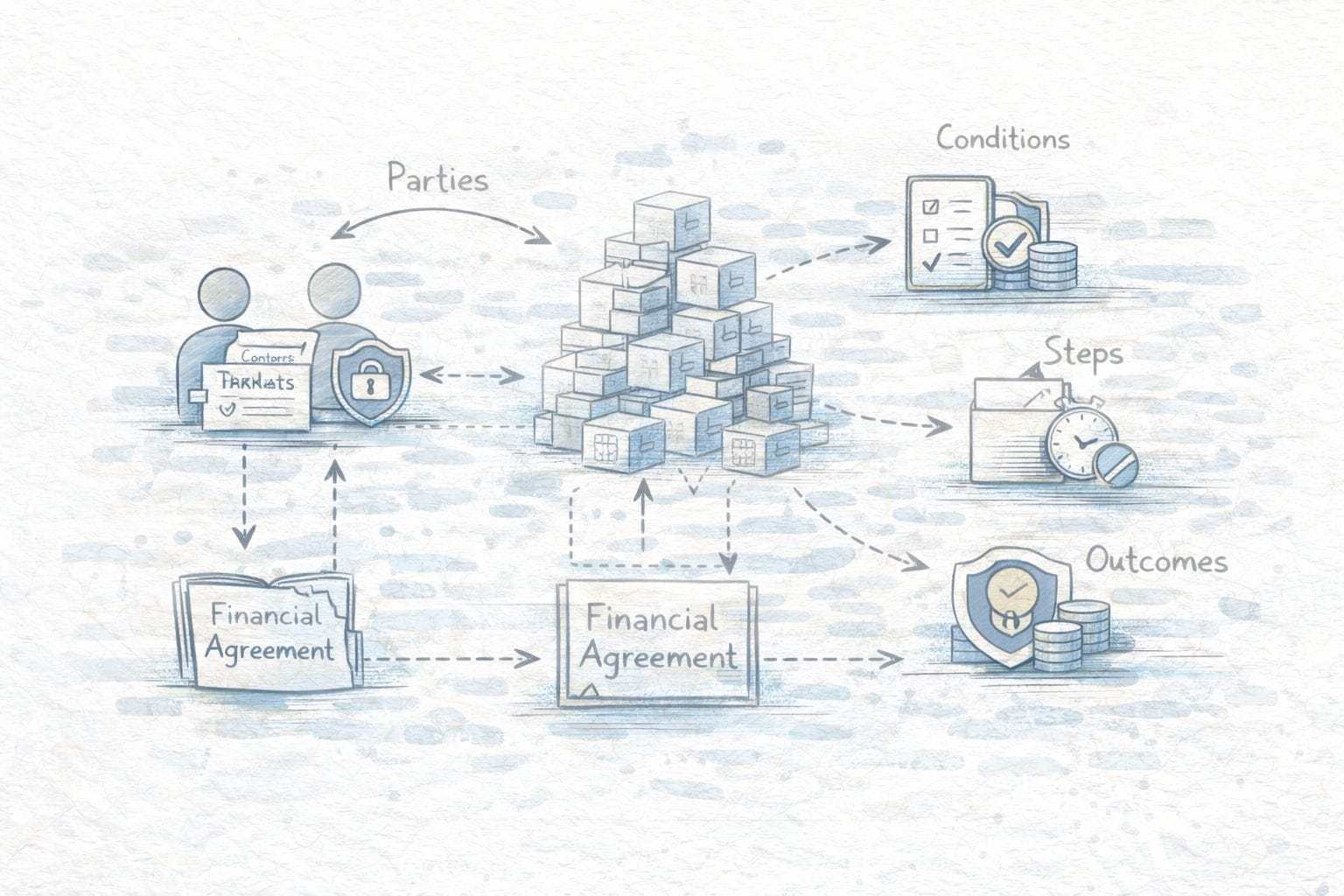
On Dusk, assets are not just things you move around. They live inside these agreements. They know what is allowed, what is not, and what needs to happen next. Settlement, finality, and compliance are not separate steps handled somewhere else. They are part of the same flow.
This way of thinking changes what builders can create. Instead of stitching together many tools to manage a process, they can design the process itself as part of the system. And for users, this means fewer surprises and more clarity. You do not just see that something moved, you know that something was done properly.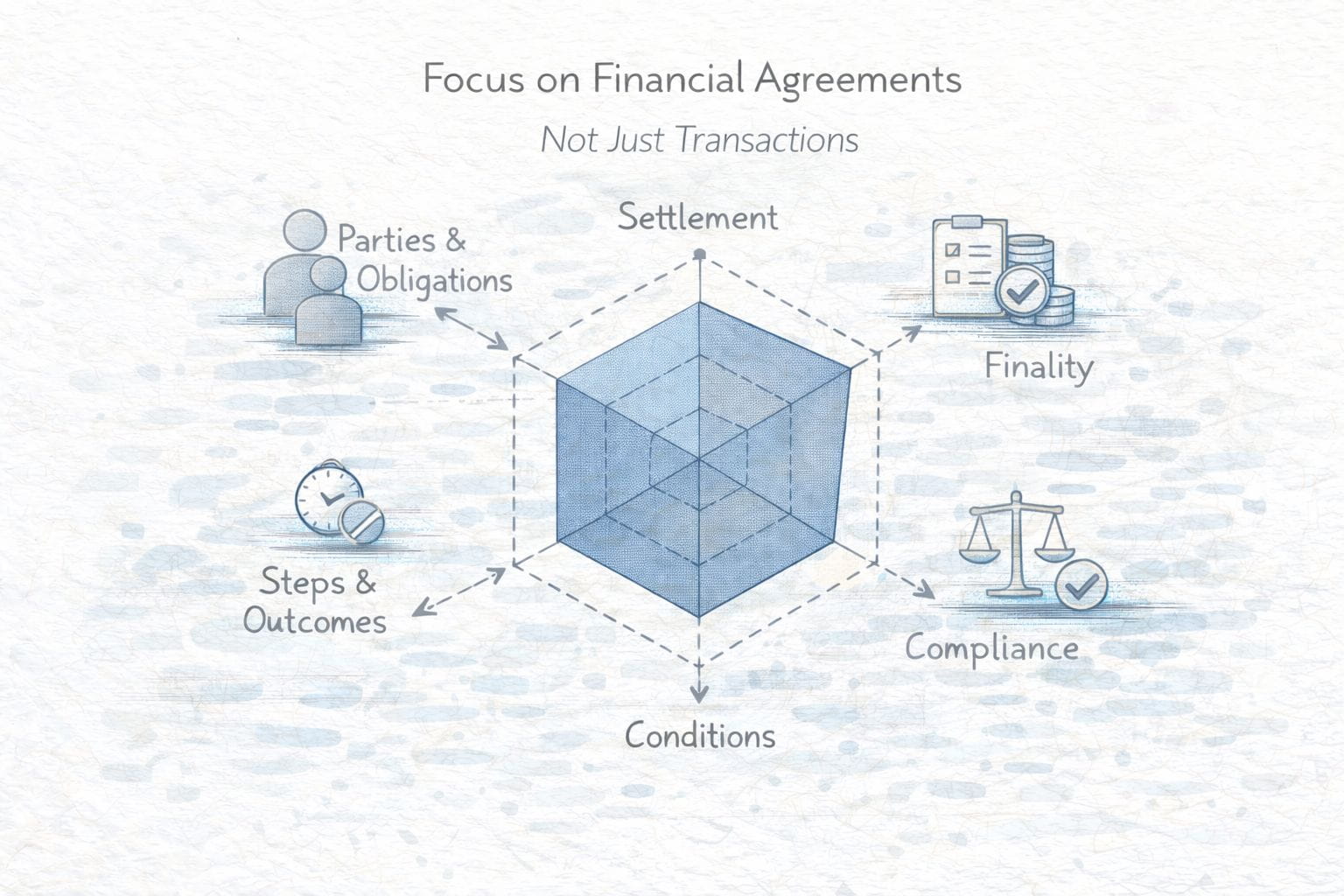
For the community, this is a shift toward calmer and more serious infrastructure. Less focus on constant activity, more focus on completed agreements and clear outcomes. It is not about making things louder or faster. It is about making them correct, reliable, and useful in the real world.
That is what it means to build a blockchain that thinks in contracts, not just transactions.
