
Plasma is entering 2026 with a direction that feels both old and radically new at the same time. What began years ago as an ambitious scaling idea is now re emerging with modern cryptography and a much clearer purpose. As I dig into the design choices, it becomes obvious that this is not about chasing trends. Plasma is rebuilding itself as a payments focused network that treats efficiency as a first principle. Zero knowledge proofs and stateless validation are no longer theoretical tools here. They are the foundation for a system where everyday transactions cost almost nothing and still inherit strong security. XPL sits at the center of this design as the economic glue that keeps the system honest and sustainable.
How Plasma Fixed Its Original Design Flaws
The earliest version of Plasma promised massive scale but came with a serious downside. Users had to watch the chain constantly to protect themselves during long exit periods. That model never fit real world usage. Plasma in 2026 removes this problem completely by switching to validity proofs built with modern zero knowledge systems. Every block now carries a cryptographic proof that confirms correctness immediately.
From a user point of view this changes everything. Funds can move back to Ethereum in under an hour without waiting periods or monitoring. The system no longer assumes users are security experts. It simply proves correctness up front. Transactions themselves live off chain while only a compact state commitment touches Ethereum. Compared to rollups that rely on expensive data space, Plasma only leaves behind a cryptographic receipt. This is how the original vision finally becomes usable.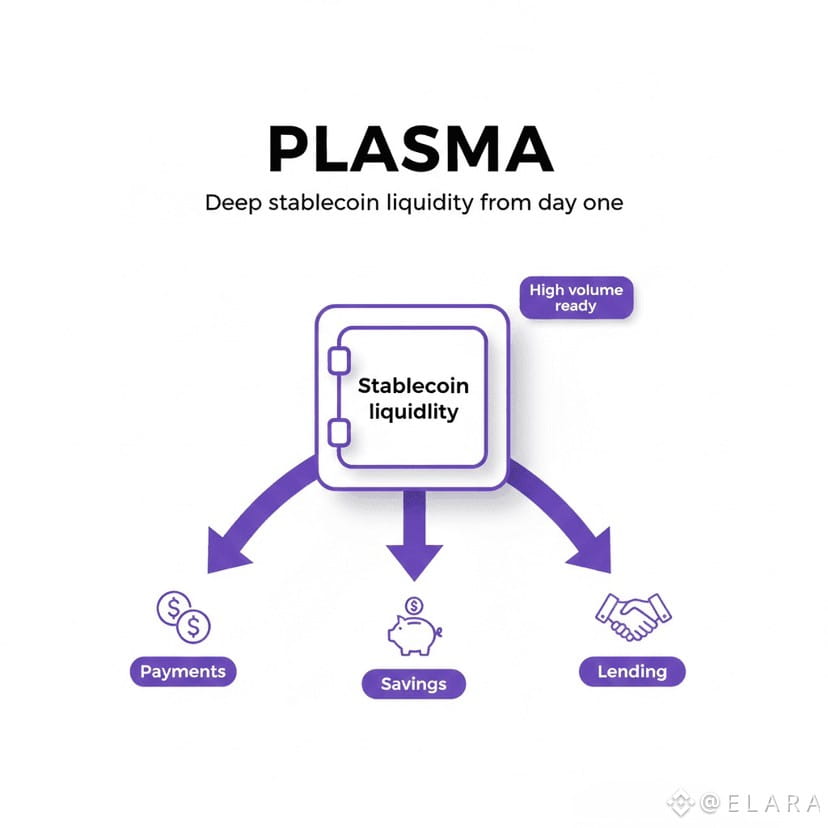
What stands out to me is how calm the experience becomes. Validators submit proofs. The network checks them quickly. Users move funds without stress. Ethereum stays as the ultimate safety layer without being overloaded.
Stateless Validation Built for Real People
One of the most important shifts Plasma makes is removing the need for heavy nodes. Instead of storing massive histories, nodes operate in a stateless way. Users provide their own proofs when they transact. These proofs are generated locally even on mobile devices. Nothing sensitive leaves the device and nothing heavy needs to be stored.
This is a huge change compared to traditional chains where running a node requires hundreds of gigabytes. Plasma nodes stay extremely light. That means people in emerging markets can participate directly using ordinary phones. I keep thinking about how powerful that is. A small merchant can validate the same network they depend on for payments without specialized hardware.
The idea borrows concepts from earlier research but adapts them specifically for stablecoin payments. Small devices batch transactions locally and prove correctness before submitting. As more users join, the network becomes more resilient instead of more fragile.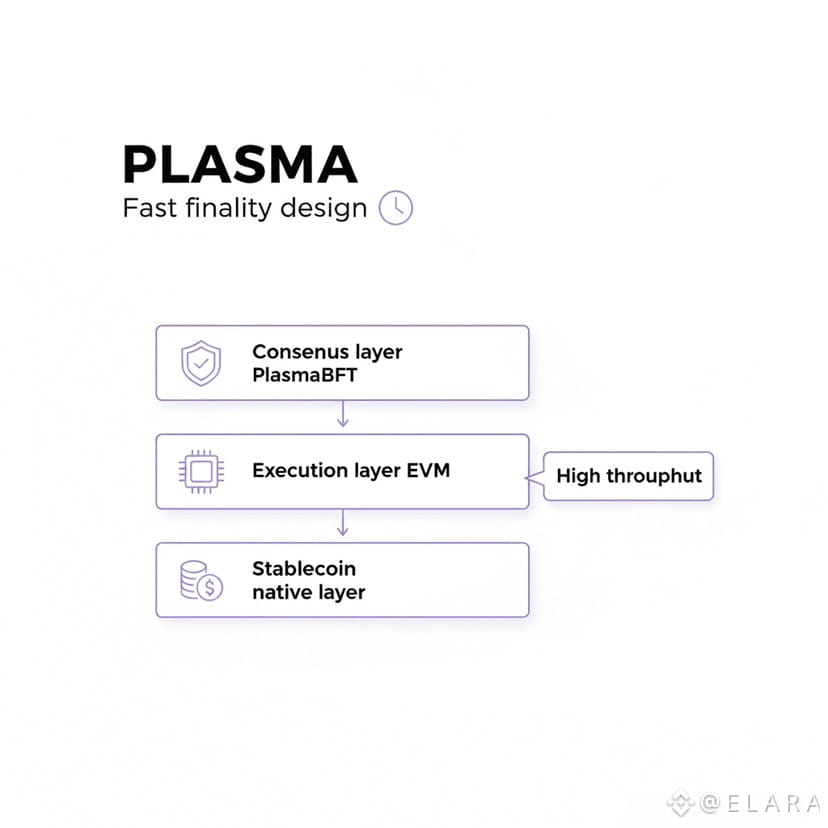
Everyday Payments Finally Make Sense On Chain
Most commerce in the world happens in small amounts. This is where Plasma shines. Because transaction data never hits Ethereum directly, fees drop close to zero. Buying a drink or paying a bus fare becomes viable. Users do not need to buy a native token first just to get started. Stablecoins move directly and fees are handled invisibly.
This solves one of crypto’s biggest usability problems. People can receive USDT and spend it immediately without learning about gas mechanics. I keep running the numbers in my head. At very high throughput and extremely low fees, Plasma can handle volumes comparable to global card networks while remaining decentralized.
XPL captures value in subtle ways. Larger operations like decentralized finance or bridging generate fees. Small payments slowly burn supply. Grants fund merchant tooling so adoption feeds back into security and growth.
Ethereum Used Only Where It Matters
Plasma is careful about how it uses Ethereum. Instead of pushing large amounts of data on chain, it submits only compact proofs. Ethereum verifies them and acts as the final judge if needed. This keeps Ethereum usable while allowing Plasma to do the heavy lifting.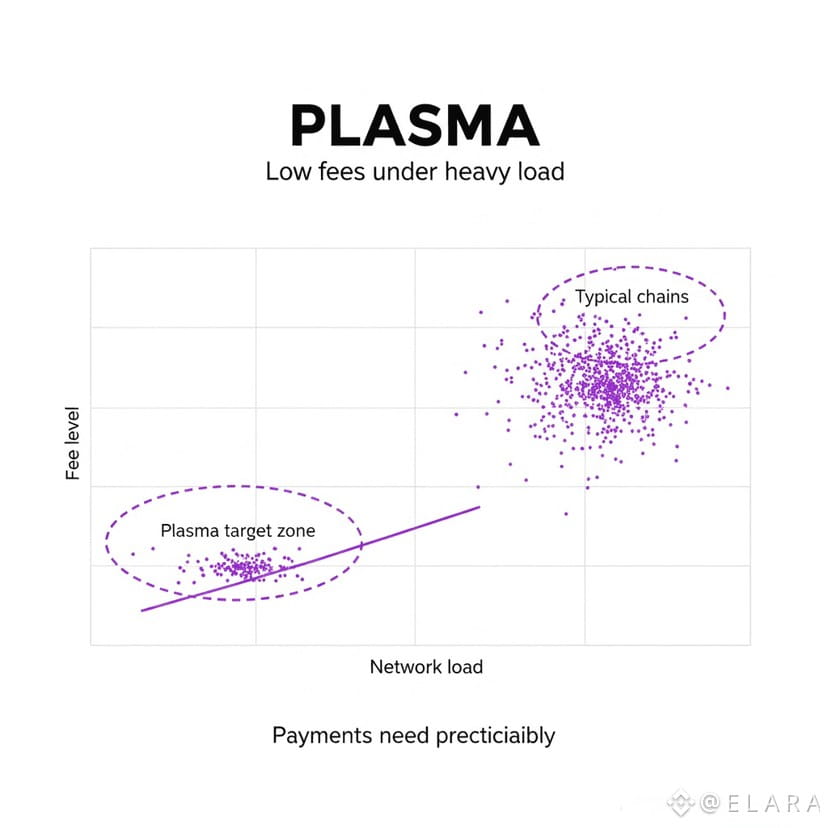
Bridges benefit from this approach. Stablecoins can route through Plasma for cheap execution and still settle securely. The result feels like a clean division of labor. Plasma handles speed and scale. Ethereum provides trust and final settlement. Neither is overwhelmed.
Security Through Reduction Not Complexity
What surprises me most is how much security comes from doing less. By keeping minimal data on chain, Plasma reduces attack surfaces. Zero knowledge proofs guarantee correctness mathematically. Stateless clients remove sync related risks. Ethereum anchoring limits deep reorganizations.
Validators still stake XPL and face penalties for misbehavior. With many small operators joining through mobile devices, risk becomes distributed naturally. Even future threats like quantum advances are considered through evolving proof systems. Security here feels intentional rather than excessive.
Builders Get Familiar Tools With New Economics
From a developer perspective Plasma stays approachable. Smart contracts remain familiar. Tooling handles proof generation behind the scenes. Developers focus on user experience instead of cryptography.
What changes is cost structure. Applications that would be impossible on traditional chains suddenly make sense. Payment apps. Internet of things devices. High frequency settlement. Decentralized finance protocols running on stablecoins without worrying about gas spikes.
As more clients generate proofs independently, the system scales in a way that feels organic rather than forced.
XPL Finds Its Role In a ZK Native Network
All of this activity feeds back into XPL. As usage grows, staking participation increases. Fees from advanced operations balance emissions. Governance decisions shape proof parameters and funding priorities.
Physical cards and payment devices double as proof generators, batching daily activity into efficient settlements. XPL becomes less about speculation and more about securing global transaction flow.
When Blockchain Stops Feeling Like Blockchain
Plasma in 2026 shows that scaling is not about adding features. It is about removing friction. Zero knowledge proofs and stateless design turn blockchain into something that fits everyday life.
I keep coming back to one thought. When someone buys coffee and the blockchain only records a tiny proof instead of a full transaction history, something fundamental has changed. That moment might be when decentralized systems stop being a concept and quietly become infrastructure. Plasma feels closer to that moment than most people realize.

