Plasma has chosen a completely different path
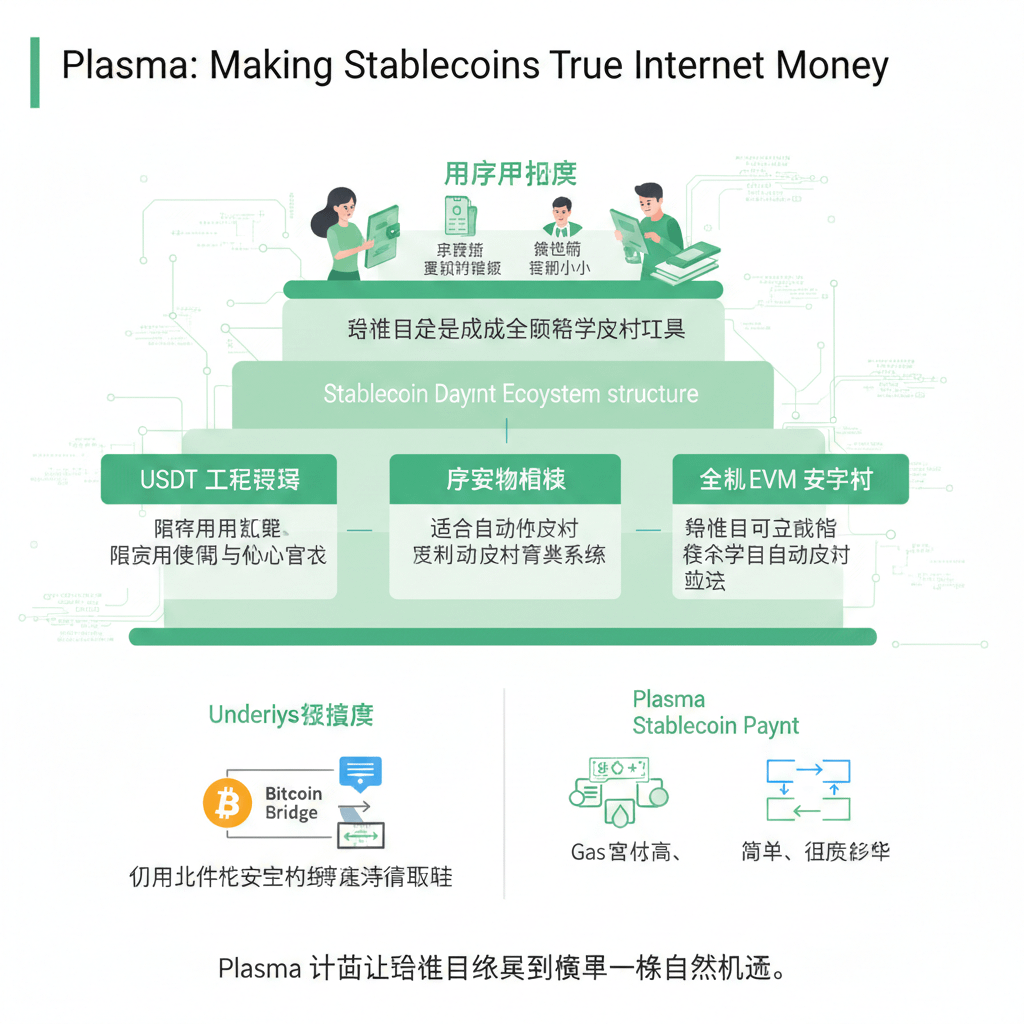
It does not chase all tracks, but focuses on solving a long-neglected yet extremely important issue: making stablecoins truly usable like money.
Stablecoins have won, but the infrastructure has not kept up
Stablecoins like USDT have already become one of the most commonly used assets in the crypto world.
Cross-border remittances, trading hedging, commercial settlements, value storage—stablecoins are already playing the role of 'Internet dollars.'
The problem is that the underlying networks supporting them are not user-friendly.
Transaction fees are unstable, networks are congested during peak times, and one must hold additional Gas tokens.
Making 'transfers' look more like using developer tools rather than spending money.
The starting point of Plasma is very straightforward: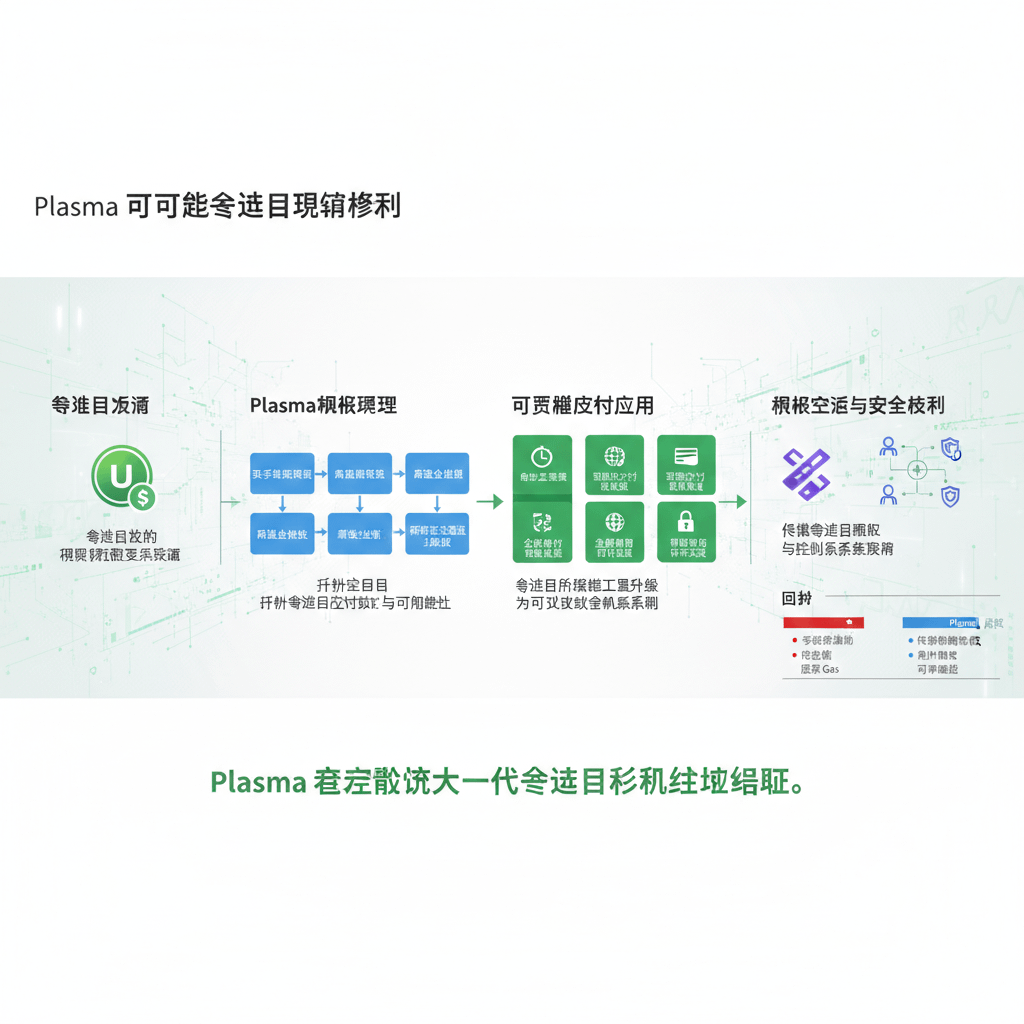
If stablecoins are to become a global currency, then blockchains must exist for stablecoins, not just treat them as auxiliary tokens.
Eliminating the 'psychological cost' of transfers.
Plasma offers zero-fee USDT transfers, but this is not a marketing gimmick.
What it truly wants to eliminate is the 'psychological burden' users face when using stablecoins.
In existing networks, users must prepare ETH, TRX, or SOL in advance as Gas,
even if just transferring 10 dollars, they must worry about whether the fees are sufficient.
Plasma, through architectural design, allows stablecoin transfers without relying on additional Gas tokens,
bringing stablecoins back to what they should be:
Simple, direct, and predictable.
This is particularly important for micro-payments, high-frequency transfers, cross-border settlements, and everyday business scenarios.
Payments are just the beginning; the real value is 'programmable money'.
Plasma is not limited to transfers.
It chooses to fully support EVM (Ethereum Virtual Machine), allowing stablecoins to not only 'flow' but also 'execute logic'.
This means developers can build:
Automatically distributed payroll system.
Instant settlement merchant tools.
Refundable subscription payments.
Custody with rules and global market.
Stablecoins are no longer just 'issuing USDT',
but rather becoming a truly programmable currency.
Building a trust foundation with Bitcoin narratives.
Fast is easy, trustworthy is hard.
Plasma attempts to introduce BTC into the smart contract system through a trustless Bitcoin bridge.
Bitcoin provides long-term proven security and neutrality,
while Plasma offers modern payment experiences and developer convenience.
This is a combinatorial idea:
Using the trust of Bitcoin to support the daily payments of stablecoins.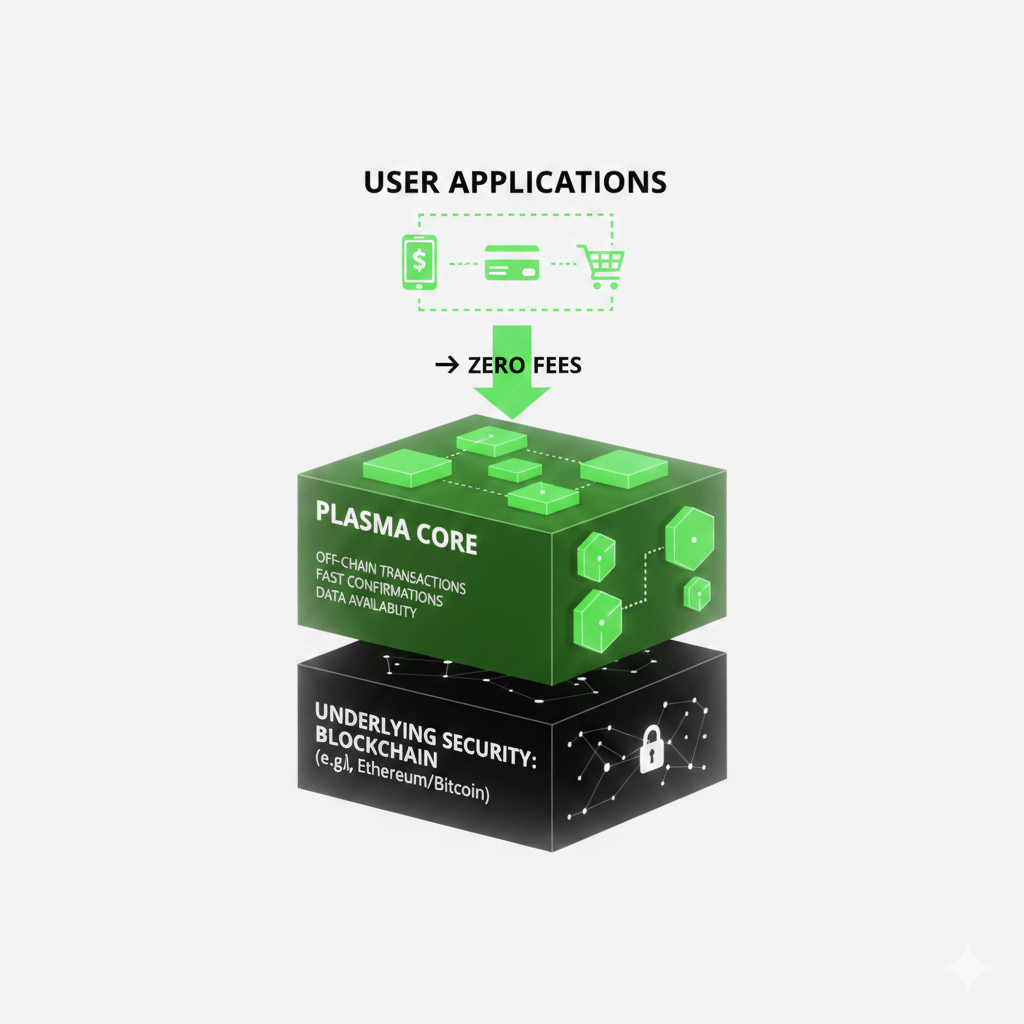
XPL: Not speculative fuel, but a coordination tool for the payment system.
In a stablecoin-first world, native tokens still have their necessity.
Plasma's XPL is used for validator incentives, network security, and governance coordination.
Its role leans more towards 'infrastructure maintenance',
rather than forcing ordinary users to hold and trade.
It is this design that makes zero-fee USDT transfers economically viable,
as costs are absorbed by the system layer, not passed on to users.
Real adoption is more important than marketing.
When measuring infrastructure projects, the most important aspect is not popularity, but 'who is using it'.
Institutions like Cobo choosing to integrate Plasma,
indicates it is entering the payment and settlement layer, not just doing retail narratives.
Historical experience tells us:
True payment networks are often first adopted by institutions, and only later perceived by ordinary users.
Plasma wants the blockchain to 'disappear'.
Plasma does not want users to understand the blockchain.
It wants users to do just one thing:
Open the wallet → Transfer digital dollars → Done.
Network, Gas, chain names—these should be hidden in the background.
If successful, Plasma will not look like a 'crypto project',
but more like a naturally existing global payment tool.
Risks must be faced.
No infrastructure project can only tell a story.
Stablecoins rely on risk: Regulatory or issuer policy changes can pose challenges.
The sustainability of zero fees: The economic model needs time and real usage to validate.
Intense competition: Tron and L2 networks have already captured a large share of USDT transactions.
These risks do not negate Plasma's logic,
but rather raise the standards for its success.
Why Plasma is worth paying attention to.
The value of Plasma is not in being 'new',
but in focusing.
It tries to make stablecoins operate like real money,
making payments natural, transparent, and programmable,
while maintaining a connection to Bitcoin in the narrative of security.
If successful, it will not create a fuss,
but rather quietly become part of the global financial pipeline.