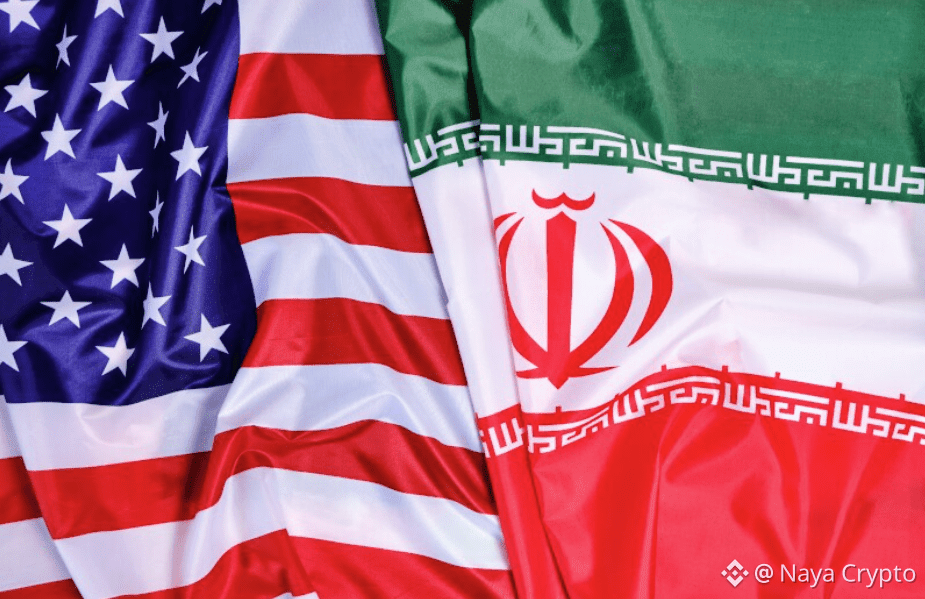
Tensions between the United States and Iran often draw attention from global markets because of the region’s economic importance. Iran is located in a key energy corridor, and nearby waters handle a large share of the world’s oil transport. Any risk in this area raises concerns about supply stability.
Facts:
When tensions rise, oil prices usually become volatile. Higher oil prices increase fuel and transport costs, which can push inflation higher. Because of this uncertainty, many investors become cautious and reduce risk. Assets like gold and strong currencies often attract attention during such periods. Markets outside energy are also affected indirectly. Higher costs can slow business activity and weaken overall confidence. This is why geopolitical events matter even for people far from the conflict.
Guesses:
If tensions remain limited to statements and diplomacy, markets often stabilize after the initial reaction. If the situation escalates, uncertainty may last longer and keep prices unstable across multiple sectors.
Opinion:
From a market education perspective, the key lesson is patience. Headlines create noise, but long-term outcomes depend on real economic changes. Understanding cause and effect matters more than reacting quickly.
#usiranmarketimpact

Follow @Naya Crypto for mor market updates.