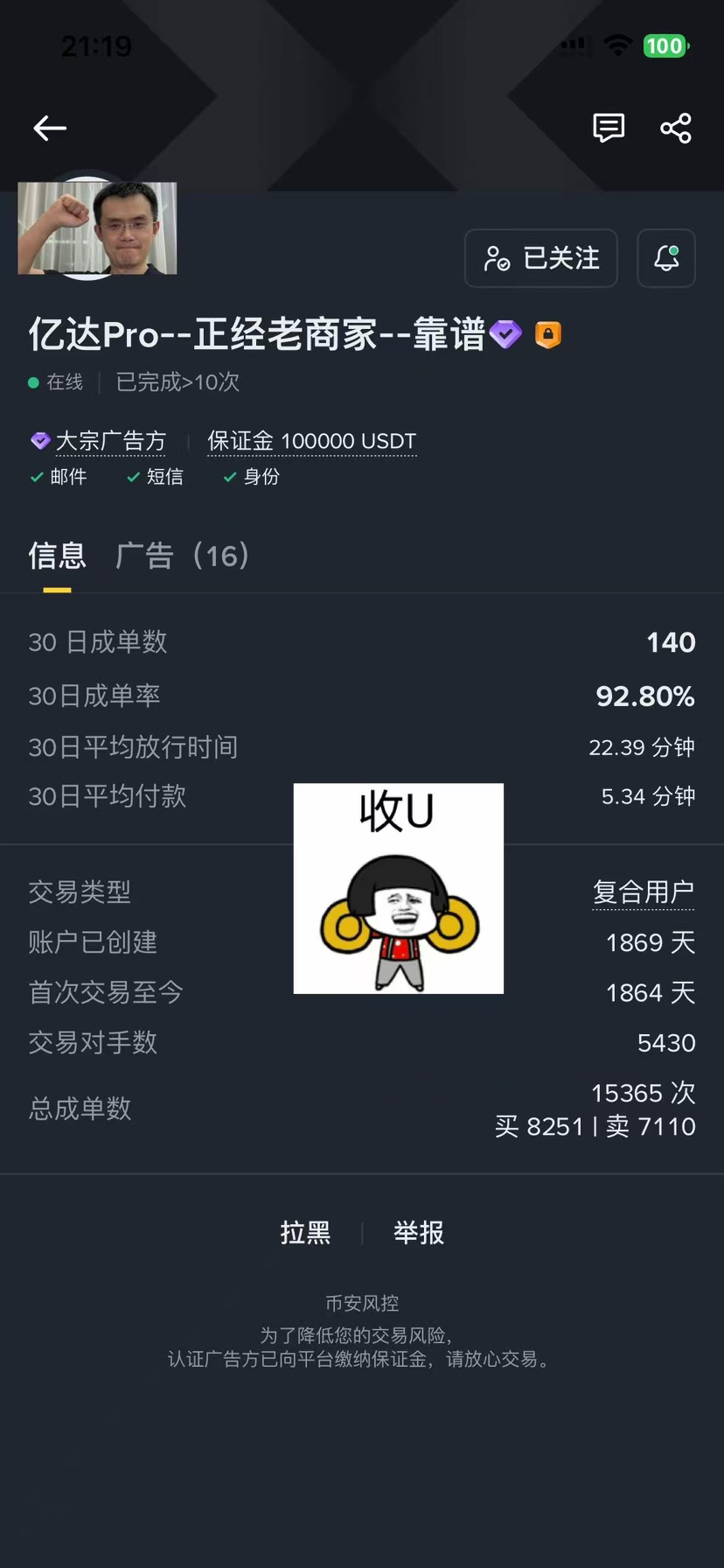
#RWA总规模持续增长 I am a veteran merchant with 6 years of experience in the bulk trade, and I've seen too many cases where payment methods went wrong. Today, I won't discuss complex theories; instead, I'll share practical safety guidelines that ordinary people can immediately apply.
Recently, two fans reached out to me with the same question: 'When selling USDT for RMB, should I use Alipay, WeChat, or a bank card? Why do I always hear about accounts being frozen?' To be honest, this question is indeed related to one's financial life. A careless transaction could result in losing half a year's income—this is no exaggeration.
First, remember my core point: When withdrawing USDT, safety is always more important than the exchange rate, and compliance is always more important than speed. Now, let's get straight to the point.
Alipay/WeChat: A small amount of 'firewall'.
Why do I recommend these two channels first? Because their risk control logic is 'pre-interception'. To put it simply, if the other party's account has any anomalies (such as too many complaints or abnormal flow), Alipay and WeChat will directly intercept the transaction before the transfer, and the money will not reach you at all.
But key details must be properly handled:
Real-name information must match 100%: The real name on the other party's Alipay/WeChat must be exactly the same as the name certified on the trading platform. If the other party says, 'I am transferring to you using a family member's account,' immediately stop the transaction! This is a typical money laundering scheme.
Release the currency after it arrives: Strictly adhere to the process of 'first receive RMB, then transfer USDT'. Some scammers may forge transfer screenshots to urge you to release the currency, so be sure to log in to your account personally to confirm that the funds have arrived.
However, note that Alipay and WeChat are not completely 'immune'. Therefore, try to choose large-scale, well-selected merchants with a good reputation rate of over 98%. Avoid interacting with too many merchants' Alipay accounts on the platform, as it can easily lead the system to identify virtual currency patterns.
My suggestion for bank card withdrawals is:
It is necessary to filter out long-standing merchants and only trade with long-term cooperating real-name merchants: The other party must provide photos of their ID card (front and back) + bank card photo, and it must match the platform's real-name registration.
Data analysis reveals several characteristics of unreliable merchants:
1: Only deposit, not withdraw.
2: The trading volume in the last 30 days exceeds 300 transactions (remember not to choose channels with a higher number of transactions, as this is a misconception; the more transactions, the higher the frequency of trading, which increases the risk of card freezing).
3: Those who talk about cash deposits/loans/investments/exchange.
4: High prices are moved to the off-site.
5: Newly registered merchants.
6: Receiving prices that clearly violate normal business logic.