
Hey, everyone, I'm ETH Caterpillar, a retail investor who has been navigating the crypto world for several years. Recently, I've mined quite a few projects in the Layer2 track, but @Plasma this one made me stop and have a good chat. It's not about a high-end technology stack but like an old friend, helping us solve practical pain points—high transaction fees and slow speeds are everyday annoyances. Come, let me take you step by step closer to it like telling a story.
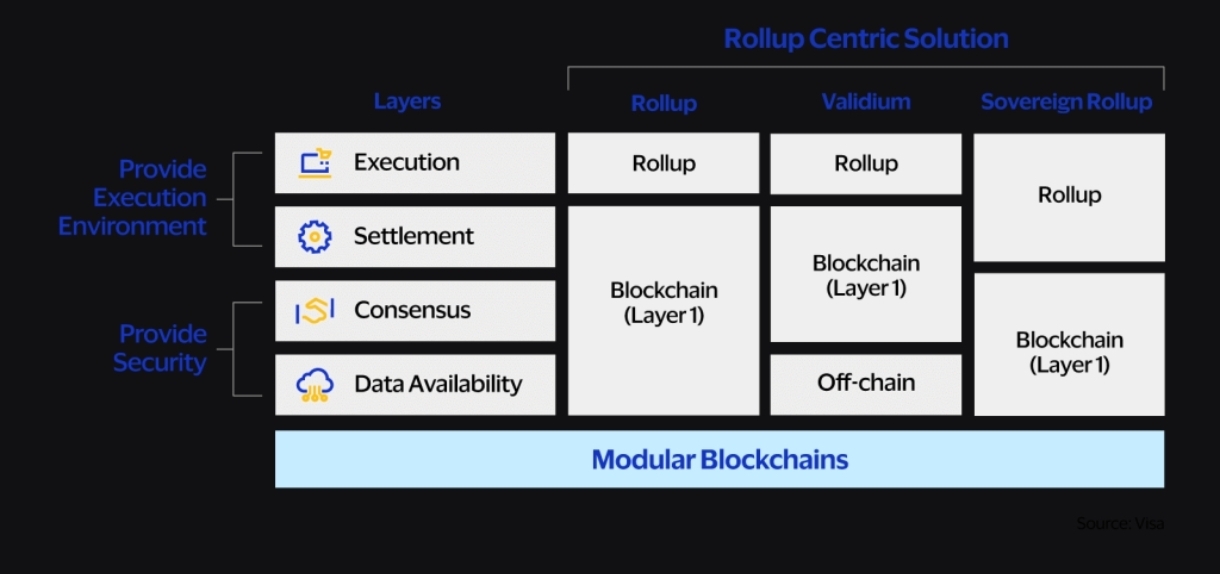
Imagine this: you're an ordinary office worker wanting to engage in DeFi or NFTs on Ethereum, but each time you transfer, the gas fees hurt like losing your wallet. Plasma has come out, following the old path of 'off-chain computation + on-chain verification' (originating from Vitalik's Plasma concept), but upgraded to a high-performance Layer1 (optimized for stablecoins), using a modular architecture that includes an execution layer (processing transactions off-chain), a data availability layer (ensuring off-chain data is verifiable, supporting large-scale stablecoin transfers through efficient storage and retrieval mechanisms), and a settlement layer (final confirmation on-chain), making it more flexible and scalable. It has made exclusive technical optimizations for simplifying transfer pathways and accelerating cross-chain settlement for stablecoins like USDT, combined with a protocol-level Paymaster system sponsoring gas fees, achieving truly zero-fee transfers. In simple terms, it offloads the heavy lifting to off-chain while only verifying results on-chain. This way, transaction costs can be reduced to nearly zero while maintaining top-notch security. When I first tried their testnet, transferring USDT had zero fees! That feeling was like switching from a crowded subway to a high-speed train, instantly liberating.
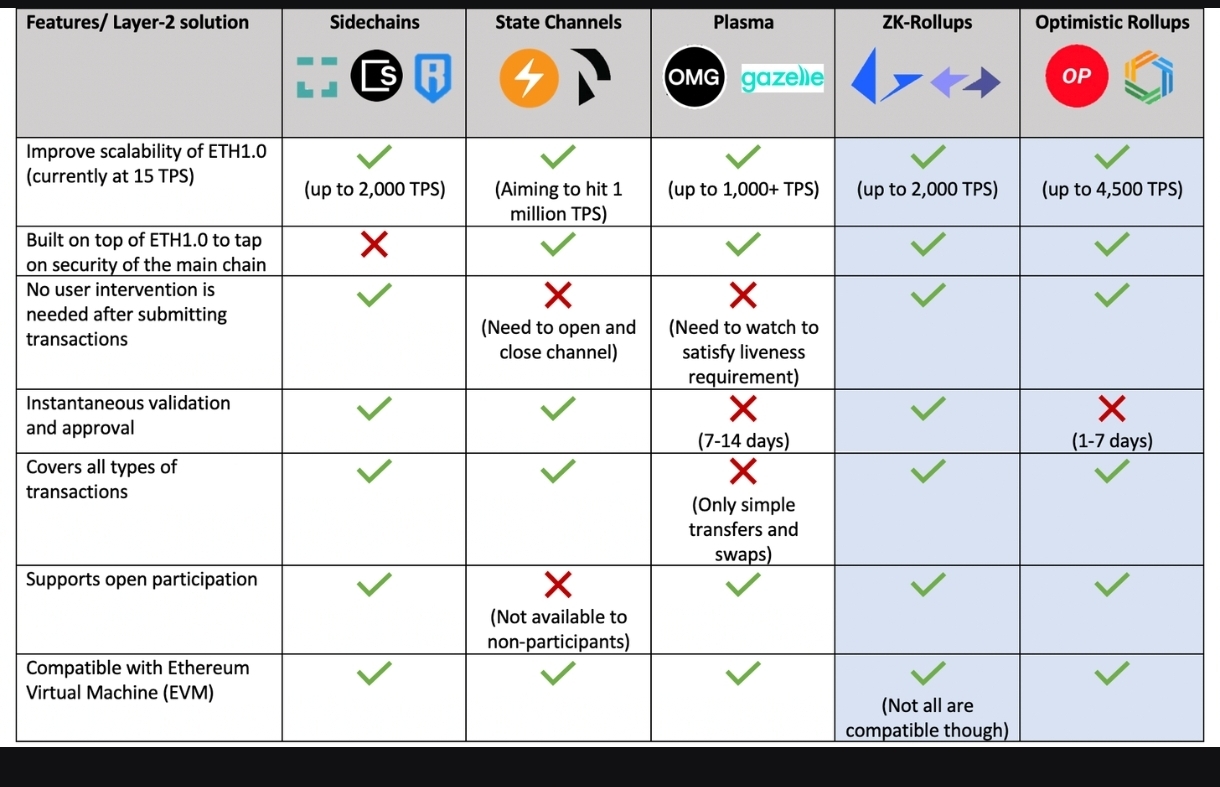
Technically, it is different from mainstream Optimistic or ZK Rollups, being lighter and more accessible. According to the official Plasma documentation, Plasma's Gas fee is close to 0 USD (especially for USDT transfers, which are sponsored by the protocol-level Paymaster system), while Optimistic Rollups typically range from 0.01 to 0.10 USD, and ZK Rollups range from 0.05 to 0.20 USD; in terms of TPS, Plasma exceeds 1000 TPS (using the PlasmaBFT consensus mechanism—a high-performance BFT implementation based on Fast HotStuff, with pipelined processing of proposals, voting, and submission, compressing node confirmation time to within 1 second, achieving second-level finality and low latency), while Optimistic and ZK are both in the range of 1000-4000 TPS, but Plasma's zero-fee design, customizable Gas token support (Fees can be paid with USDT or BTC), and the dedicated positioning for stablecoins have a huge appeal for small to medium retail investors and high-frequency traders— for example, if you are making trades on a DEX, you no longer have to worry about Gas fees.$XPL
Let's take a look at Plasma's technical architecture diagram, clearly showcasing its modular design, including execution, consensus, data availability, and settlement layers (data source: Plasma official documentation):
Also attached is a comparison chart of Gas fees/TPS for Layer2 solutions, clearly showing Plasma's zero-fee + high TPS advantage (data source: DefiLlama + Plasma official data):
Ecologically, they are integrating into the NFT market and payment apps, having deeply integrated with Aave, EtherFi, Backpack, etc., among which Aave's TVL on Plasma has exceeded 2.5 billion (significantly accounting for a large proportion of Plasma's total TVL, becoming one of its largest deployments), I think this will roll larger like a snowball. Remember last year's sudden explosion of the TON payment ecosystem? Plasma's stablecoin positioning (focusing on USDT, etc.) shows me similar potential, especially in cross-border remittance scenarios, which can help many people save money and worry. Amidst the intensifying competition in Ethereum Layer2 and the impending Bitcoin halving (coming in 2028), Plasma's lightweight positioning is more differentiated, allowing it to stand out in the stablecoin payment field.
In terms of market, the current price of $XPL is low (about 0.08 USD, according to real-time data from CoinMarketCap/CoinGecko, circulating market cap around 140-170 million), having dropped considerably from its peak, but after the mainnet Beta launch, TVL has stabilized at over 300 million (DefiLlama shows about 3.06B USD, with a peak previously exceeding 5-6B), growing rapidly. Just think, if developers swarm in and connect with more DeFi partners (like Aave, which is already a major player), can it turn around? Of course, the risks must also be mentioned: Layer2 competition is fierce, and for Plasma to stand out, it must rely on user retention and ecological vitality. If developers don't buy into it, it might just be a flash in the pan. I have also fallen into traps; small coins fluctuate greatly, and a similar project last month made me lose 20%.
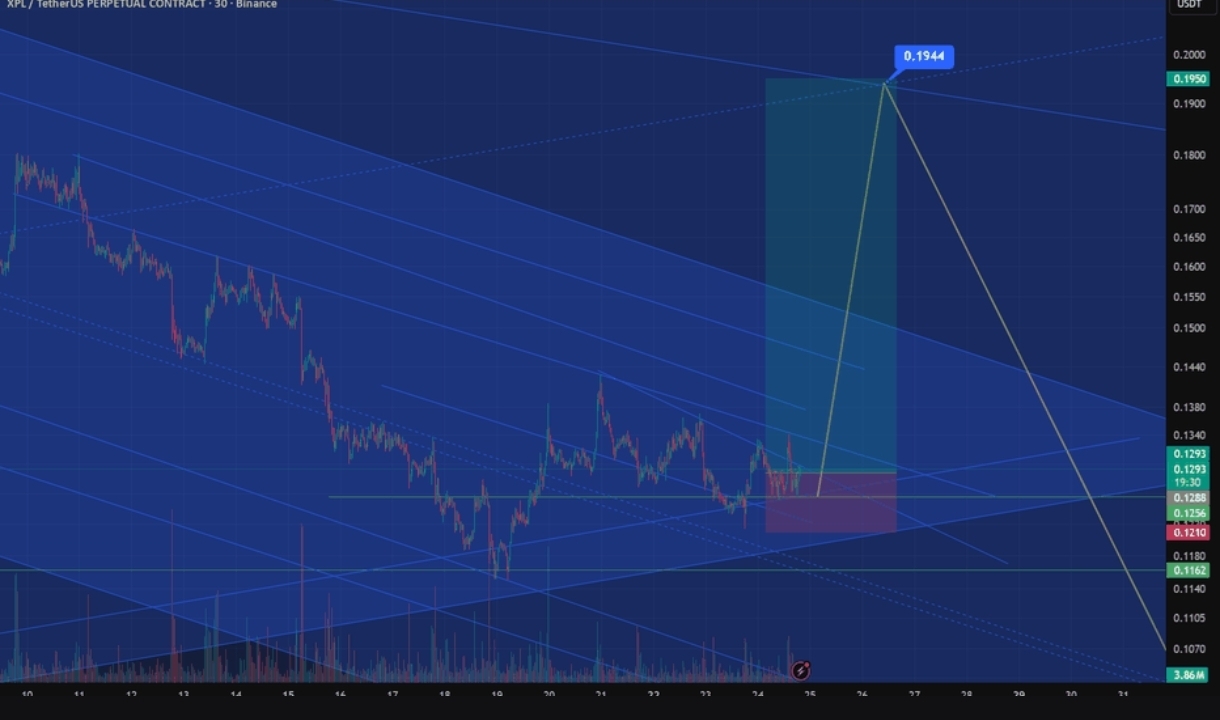
From my trading experience, it's suitable to place a small position for observation now. If the daily volume increases (for example, breaking through 128 million in trading volume), build a position at 0.07-0.09, stop loss at 0.06, target at 0.15. Don't go all in, risk control is crucial! This is not investment advice, just my personal insights.
Attached is the daily chart of $XPL (with key price levels and volume marked, data source: CoinGecko):
What about you? Do you have similar project experience? Can Plasma's payment dream come true? Feel free to share your Layer2 investment strategies or vote: which type of application scenario do you think Plasma is more promising? (A. Stablecoin Payments B. DeFi Trading C. NFT Market) Let's chat about your story in the comments and find the next opportunity in crypto together!#Plasma #XPL #Layer2 #Stablecoin #CryptoStory


