
As stablecoins evolve from trading tools into global payment rails, the infrastructure beneath them must evolve too.
🚀 Speed alone is not enough.
🔗 Compatibility alone is not enough.
Stablecoin-native infrastructure must be designed differently from day one.
@Plasma reflects that shift.
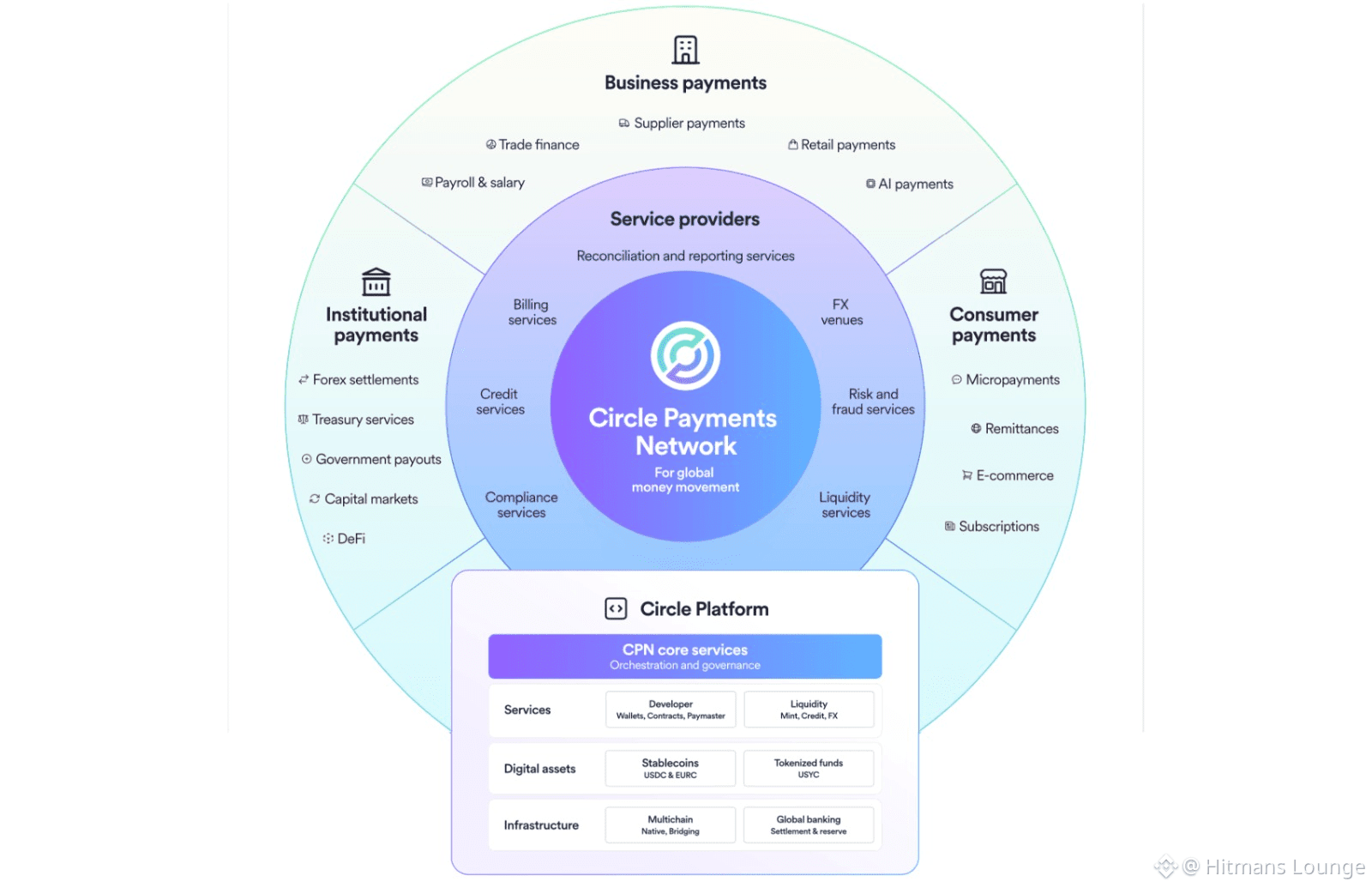
💳 Payments Are Not DeFi Trades
Most blockchains were originally designed for:
📈 Speculative trading
🧩 Composability
🌾 Yield strategies
Stablecoin payments have very different requirements:
⚡ Low friction
💰 Predictable fees
⏱️ Fast finality
⚖️ Regulatory neutrality
Plasma’s architecture is built around payment logic, not DeFi experimentation.
🧾 Gasless Transfers Change the User Experience
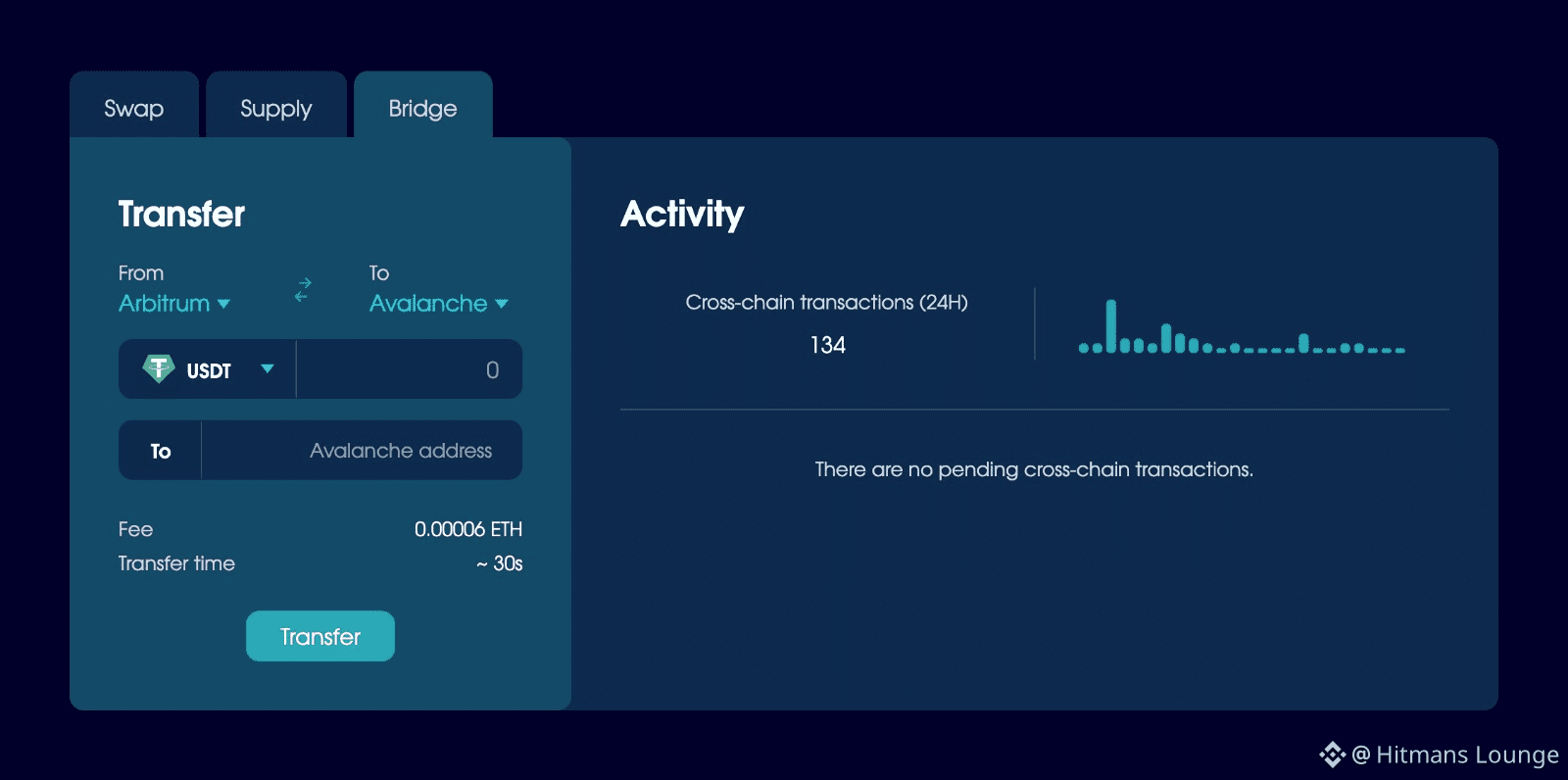
One of the biggest barriers to stablecoin adoption is UX.
Plasma introduces:
✅ Gasless USDT transfers
💵 Fees paid in stablecoins, not volatile assets
🔄 A payment flow closer to traditional finance
For retail users, this removes friction.
For institutions, it removes operational complexity.
🔐 Why Bitcoin-Anchored Security Matters
Stablecoin infrastructure must remain neutral.
Plasma’s Bitcoin-anchored security model is designed to:
🛡️ Increase censorship resistance
🏛️ Reduce reliance on discretionary validators
🔒 Strengthen long-term trust assumptions
For institutions and high-volume payment corridors, neutrality isn’t optional — it’s essential.
🧱 A Chain Focused on Settlement
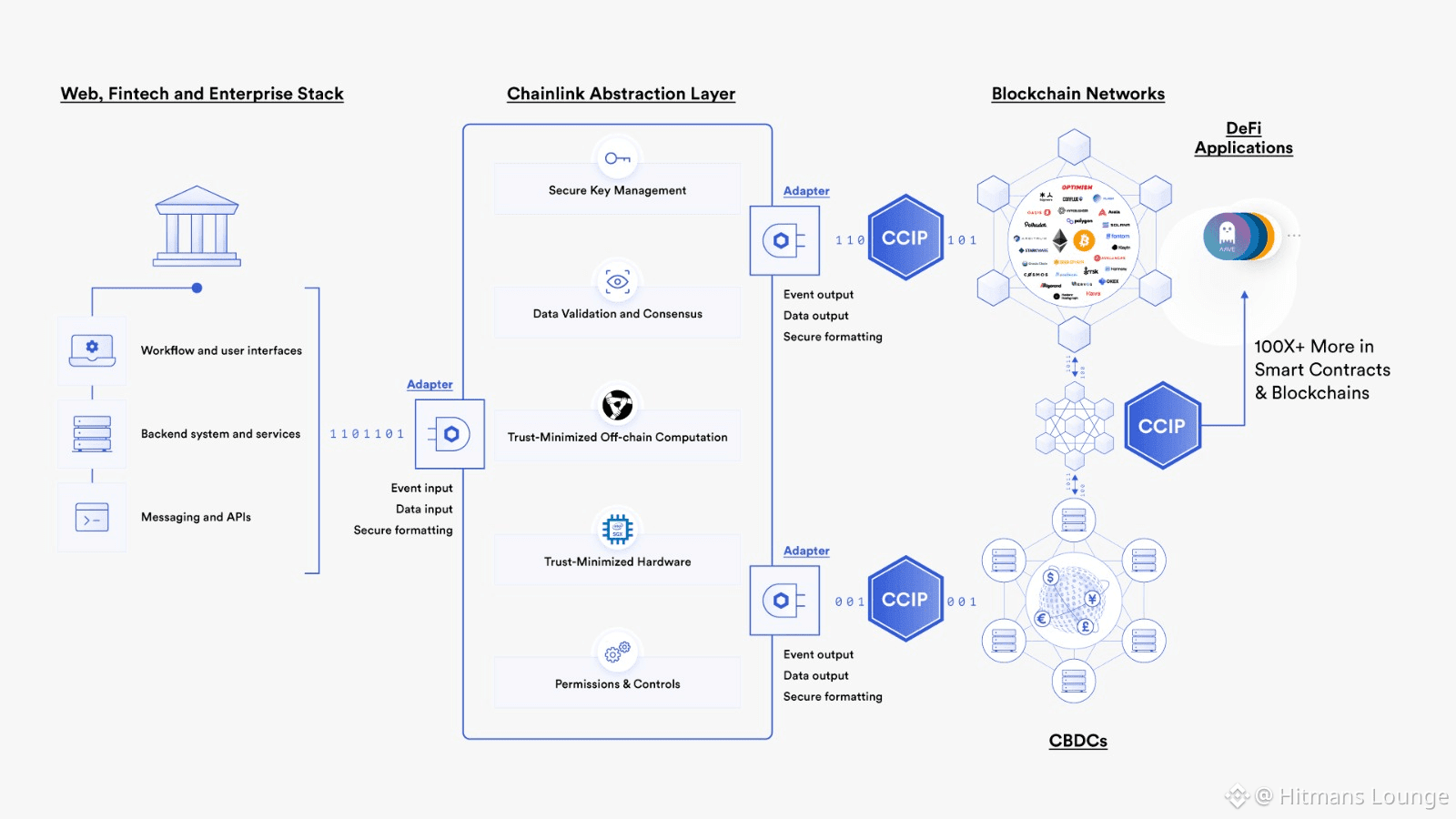
$XPL does not try to be everything.
It focuses on one core function:
⚙️ Secure, fast, stablecoin settlement
And in infrastructure, focus is often the real competitive advantage.
#Plasma #Stablecoins #CryptoPayments #BlockchainSecurity #Web3Finance

