

Digital money is increasingly part of everyday life. Stablecoins, pegged to traditional currencies like the U.S. dollar, are now widely used for payments, savings, and cross-border transactions. Yet despite their growing importance, the networks that move these digital dollars often fall short. Fees can be unpredictable, networks slow under high demand, and users sometimes need multiple tokens just to make a simple transfer. This is where Plasma steps in.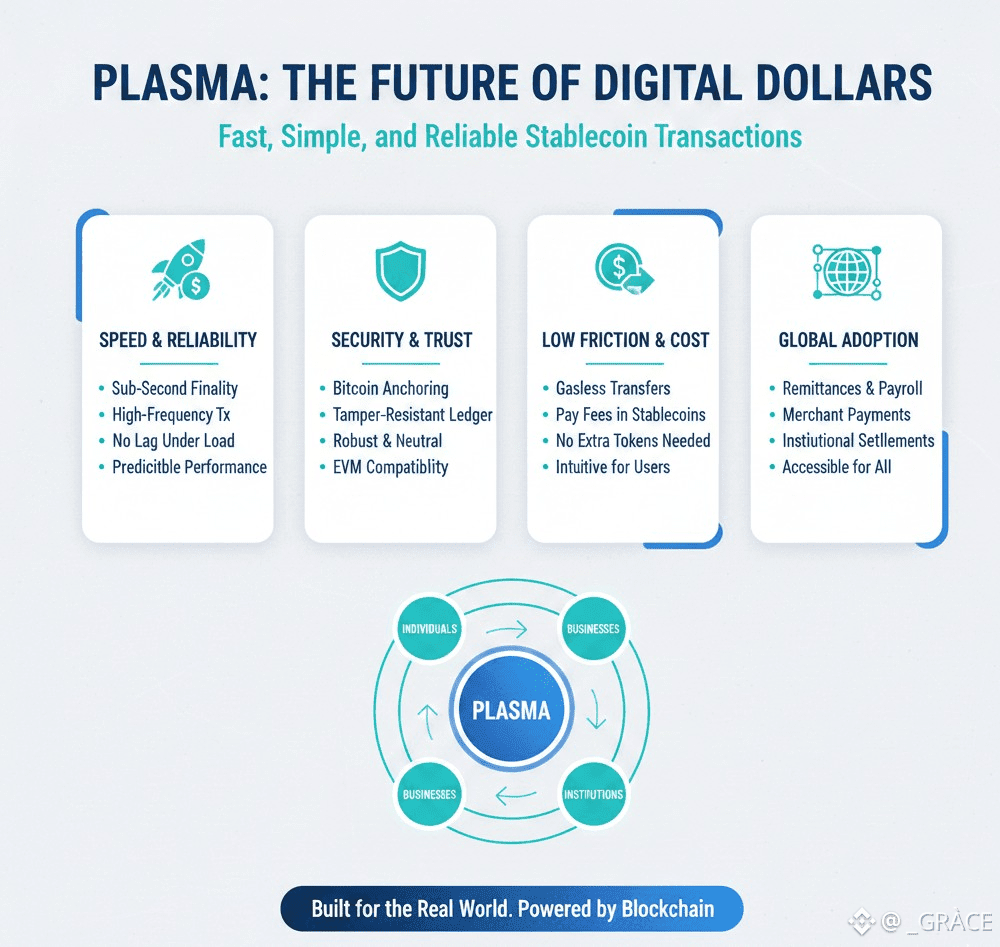
Plasma is a blockchain built specifically for stablecoins. Unlike general-purpose networks that try to do everything, Plasma focuses on moving digital dollars fast, reliably, and at scale. Every part of its design from consensus mechanics to fee structures is optimized for real-world money flows, whether for individuals, businesses, or institutions.
For users sending money across borders, Plasma changes the game. Migrant workers and freelancers can transfer stablecoins with near-instant confirmation, avoiding the delays and high fees common in traditional remittance systems. Its sub-second finality ensures that transactions are settled immediately, giving recipients confidence that funds are fully available.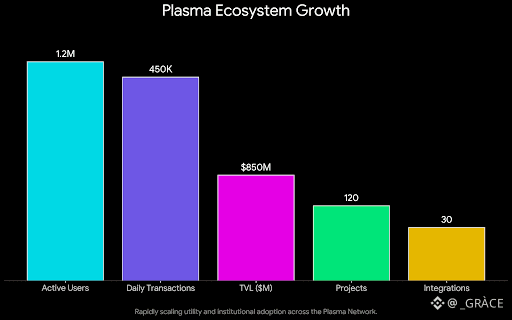
Merchants also benefit from Plasma’s design. Many small businesses avoid accepting stablecoins because conventional networks are unpredictable or expensive. Plasma allows simple transfers to be gasless, removing the need to hold another token just to complete a transaction. More complex payments, like recurring bills or automated settlements, can pay fees directly in stablecoins, keeping operations intuitive and low-friction.
Institutions require infrastructure that is both reliable and compliant. Plasma supports high-frequency transactions without slowing down, even under heavy demand. Its Ethereum Virtual Machine (EVM) compatibility means developers can deploy familiar smart contracts while leveraging Plasma’s performance optimizations. This combination of accessibility and scalability makes Plasma suitable for both retail and institutional users.
Security is strengthened by anchoring Plasma’s state to Bitcoin. By periodically committing its ledger to one of the most decentralized networks in existence, Plasma adds an extra layer of trust and resilience. Institutions moving large sums gain confidence that the network is robust, neutral, and tamper-resistant.
Plasma’s economic model reflects its practical focus. While the network has a native token for staking and validator rewards, it is not required for basic transfers. Users can send and receive stablecoins without managing extra tokens, while more complex interactions contribute to network economics in proportion to their sophistication. This ensures accessibility for everyday users while maintaining long-term sustainability.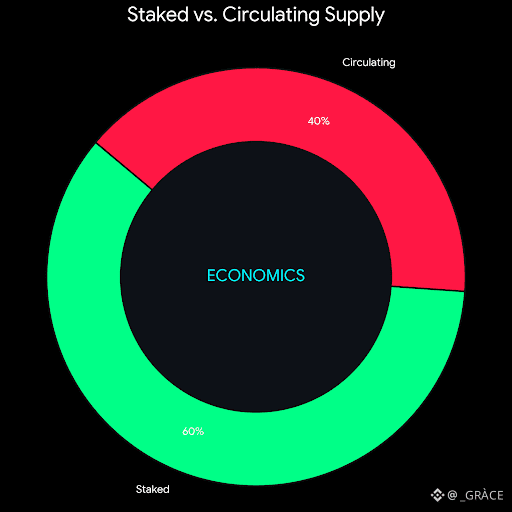
Consider a small business in Southeast Asia paying suppliers abroad. On most networks, this could involve multiple tokens, fluctuating fees, and slow confirmations. On Plasma, payments are near-instant, predictable, and simple, freeing the business to focus on operations rather than navigating blockchain complexities.
The network’s predictability is one of its strongest advantages. Many blockchains fluctuate in speed and fees, creating uncertainty. Plasma prioritizes consistency, making digital dollars feel as dependable as cash. Sub-second finality and stable performance under load remove frustration and build trust, which in turn drives adoption.
Developers benefit from Plasma as well. EVM compatibility allows familiar contracts and tools to be used without relearning a new system. Yet Plasma also introduces optimizations for high-frequency stablecoin activity, ensuring cost-effectiveness and reliability. Developers can build applications that scale confidently, supporting both small payments and large institutional flows.
Plasma’s fee system is designed with the user in mind. Basic transfers are gasless, reducing friction for everyday use. More advanced interactions can pay fees in stablecoins, keeping the process simple and intuitive. By aligning network economics with how people naturally use money, Plasma removes barriers that have slowed adoption on other networks.
Institutions gain additional flexibility. Programmable settlement rails allow for automated reporting, conditional payments, and integration with fiat systems, all while maintaining decentralization and neutrality. Banks, payment processors, and fintech firms can operate confidently, knowing that Plasma’s network is stable, secure, and predictable.
Speed and reliability also address the psychological aspect of money. Uncertainty about confirmation times or fluctuating fees can create stress, discouraging use. Plasma’s near-instant settlements and low-friction transfers reduce anxiety for users, merchants, and institutions alike. Trust grows naturally, driving higher adoption and transaction volume.
By focusing on stablecoins as the network’s central priority, Plasma demonstrates the power of specialization. General-purpose blockchains dilute resources across many uses, often at the expense of performance. Plasma channels its design to optimize transaction speed, consistency, and usability, ensuring that it can handle high-volume activity without slowing down.
Everyday examples show the impact. Freelancers can receive payments reliably, small businesses can send funds internationally without hassle, retail customers can transact with confidence, and institutions can manage large flows securely. Plasma’s infrastructure emphasizes reliability over novelty, creating a system that simply works.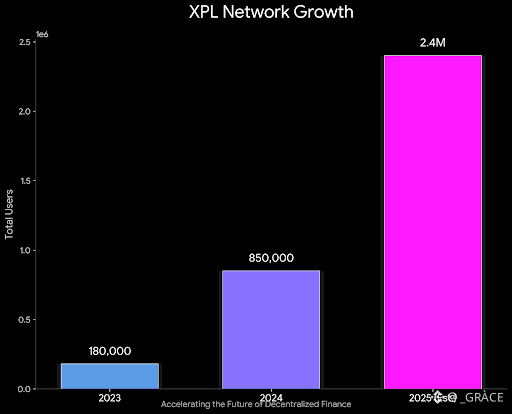
Plasma also simplifies adoption in regions where traditional banking is limited. By making digital dollars behave predictably and intuitively, it allows more people to participate in digital finance without technical knowledge. Users experience money as they understand it: fast, reliable, and secure.
Overall, Plasma represents a shift in digital financial infrastructure. By focusing on the practical needs of stablecoin users speed, predictability, low friction, and security it provides a platform for money that is ready for everyday use. Individuals, businesses, and institutions can all interact with digital dollars confidently, knowing the system is designed around their needs.
As stablecoins continue to grow globally, networks like Plasma will become essential. Whether for remittances, merchant payments, salaries, or institutional settlements, Plasma offers an infrastructure that makes digital dollars practical, intuitive, and reliable. Its emphasis on clarity, performance, and trust positions it as a model for the future of digital finance, where blockchain delivers not just innovation, but stability and usability for all.

