In total, over 12 trillion dollars have vanished, a figure greater than the combined gross domestic product (GDP) of Germany, Japan, and India.
This is what really caused the market to collapse.
Metal prices have reached a record high.
Silver just set a record of 9 consecutive green candles on the monthly chart. This has never happened before.
The previous record was 8 consecutive months without rain, marking the peaks of the main cycle.
Silver has returned more than 3 times in just 12 months. For an asset worth $5-6 trillion, that is an impressive figure.
At the peak, silver prices rose 65-70% compared to the beginning of the year.
Gold prices have also been pushed too high after a strong growth period due to waning expectations. At that price level, profit-taking is unavoidable.
The growth momentum has propelled the development of the retail market and financial leverage.
The strong price increase has attracted a large wave of late buyers shifting away from cryptocurrencies and stocks. Most of this money has not flowed into physical precious metals.
It is used for leveraged futures contracts and paper contracts.
The dominant narrative is very simple: Silver prices rise to $150-200. This encourages large buying positions right at the peak. When prices drop, liquidation begins immediately.
MASS LIQUIDATION HAS DOMINATED
When silver drops:
• Margin call triggered
• Investors who bought in are forced to withdraw.
• Further price decline
• Then, many other liquidations continue to occur.
This is why silver prices fell more than 35% in just one day. It was not voluntary sellers withdrawing, but rather being forced to sell.
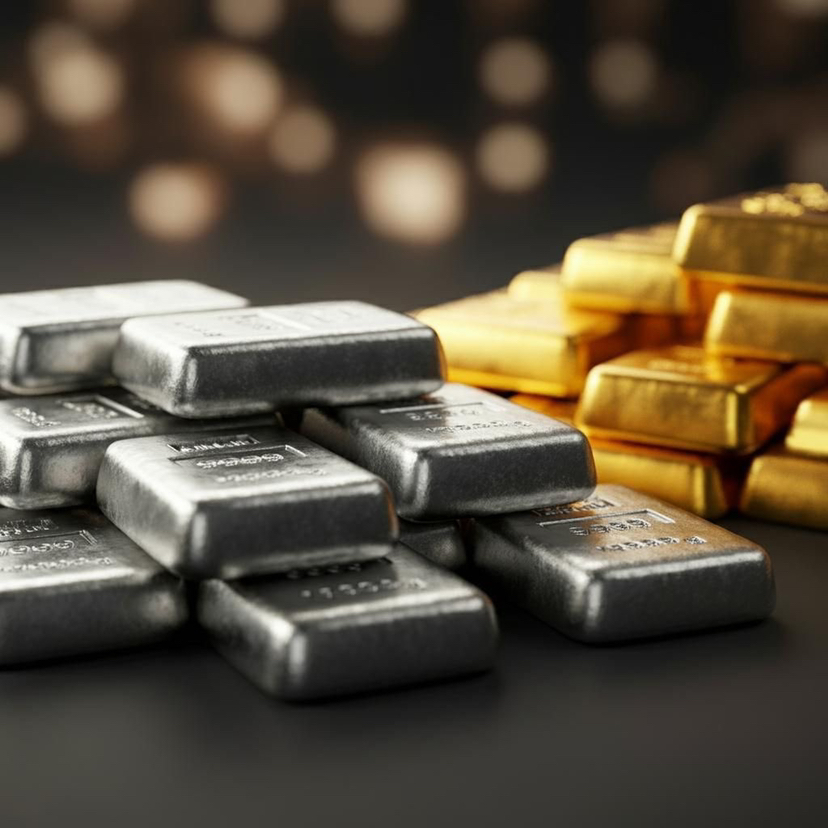
MARKET PRESSURE OF PAPER COMPARED TO PHYSICAL REALITY
The silver market mainly relies on paper. The estimated paper to actual silver ratio is 300–350:1. This means there are hundreds of paper claims for each actual ounce of silver.
At the moment of collision:
• COMEX silver price drops sharply
• The physical commodities market remains elevated.
At one point, US silver prices traded at $85-90, while Shanghai silver traded at $136. That gap shows the tension between paper prices and actual demand.
The paper market fluctuates rapidly. The physical market evolves more slowly.
The increase in interest rates has exacerbated the situation.
When prices started to decline, exchanges aggressively raised margin requirements.
Effective from February 2, 2026:
• Silver: 11% to 15%
• Platinum: 12% to 15%
Then came the second walk in just 3 days:
• Futures gold price: +33%
• Futures silver price: +36%
• Platinum: +25%
• Palladium: +14%
The increase in margin requirements forces traders to provide additional collateral immediately. In a declining market, this means automatic liquidation. That is why this move occurs strongly and unidirectionally.
The Chairman of the Federal Reserve (FED) Clarity has removed an important pillar that created the bullish trend.
For months, the market has been in a state of uncertainty about who will lead the Federal Reserve (Fed).
That uncertainty has supported gold and silver prices, as tangible assets often benefit when policy direction is unclear.
When the probability of Kevin Warsh becoming Fed Chairman surged, the trading trend based on that uncertainty came to an end.
Warsh is not a stranger. He previously served on the Federal Reserve (Fed) during the 2008 crisis and has extensive experience criticizing aggressive quantitative easing (QE) policies, excess money supply, and prolonged balance sheet expansion.
The market has reflected expectations of a more extreme outcome: rapid interest rate cuts accompanied by strong liquidity injections.
The nomination of Mr. Warsh signals the interest rate cuts accompanying the maintenance of balance sheet discipline.
This change has removed an important support factor for gold and silver, while also causing an outflow of capital.
If only this factor is considered, it would not cause an accident, but combined with extreme leverage and tight parking positions, it has accelerated.
This is not a collapse in demand. This is:
• The largest expansion in history
• Extreme leverage
• Tight positions
• Mandatory liquidation
• Increase in profit margins
• And a sudden change in policy outlook