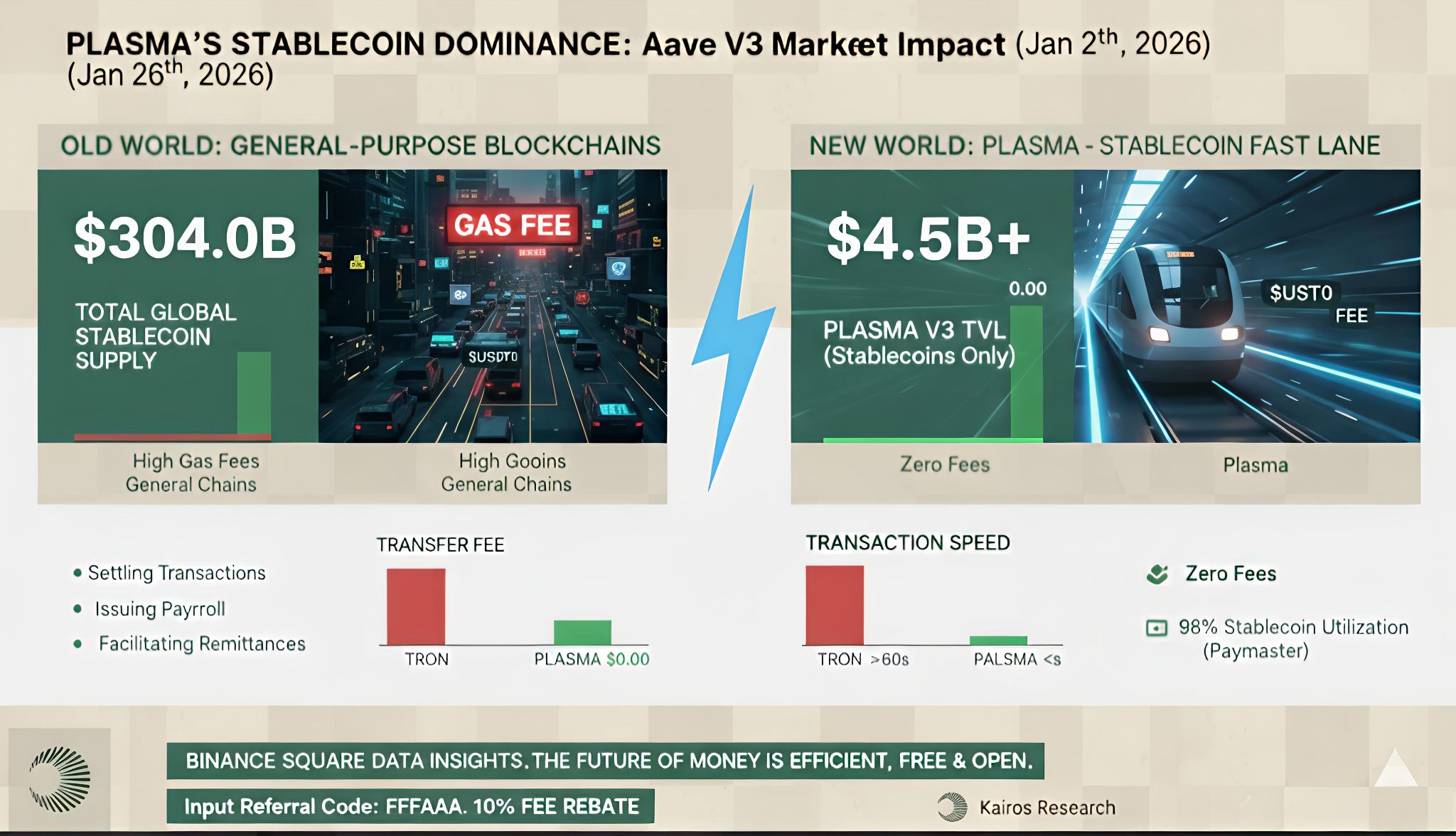
In the world of blockchain, we have become accustomed to a certain vicious circle. To transfer $100 to a friend on-chain, you must first go to an exchange to buy a few dollars worth of native tokens (such as ETH, BNB, or SOL) as gas fees, enduring fluctuating exchange rates and cumbersome steps.
Under this logic, stablecoin transfers are seen as a side effect, an ancillary smart contract that must be dealt with to complete the transaction.
But Plasma is determined to overturn this logic. On January 26, 2026, as we delve into the underlying genes of $XPL , we will find that it adopts a remarkably bold perspective, viewing stablecoin transfers as the main event of network existence, rather than just an application plugin on a jack-of-all-trades public chain.
1️⃣ Zero friction: Meeting the world in the comfort zone
Plasma insists on being fully compatible with EVM, which sounds unremarkable and even a bit unambitious. In an era where various new public chains are desperately rewriting virtual machines to pursue on-chain TPS, why does Plasma choose to embrace the old path of Ethereum?
The answer is just two words: friction.
No need to relearn: If thousands of wallets, exchanges, and payment gateways around the world have already learned how to handle Ethereum's language, why force them to learn a completely new, untested dialect?
Meeting where they are: The logic of Plasma is to go with the flow. It does not require users to change their habits but allows existing financial infrastructure to seamlessly switch to this more specialized, high-speed railway designed for the dollar through excellent compatibility.
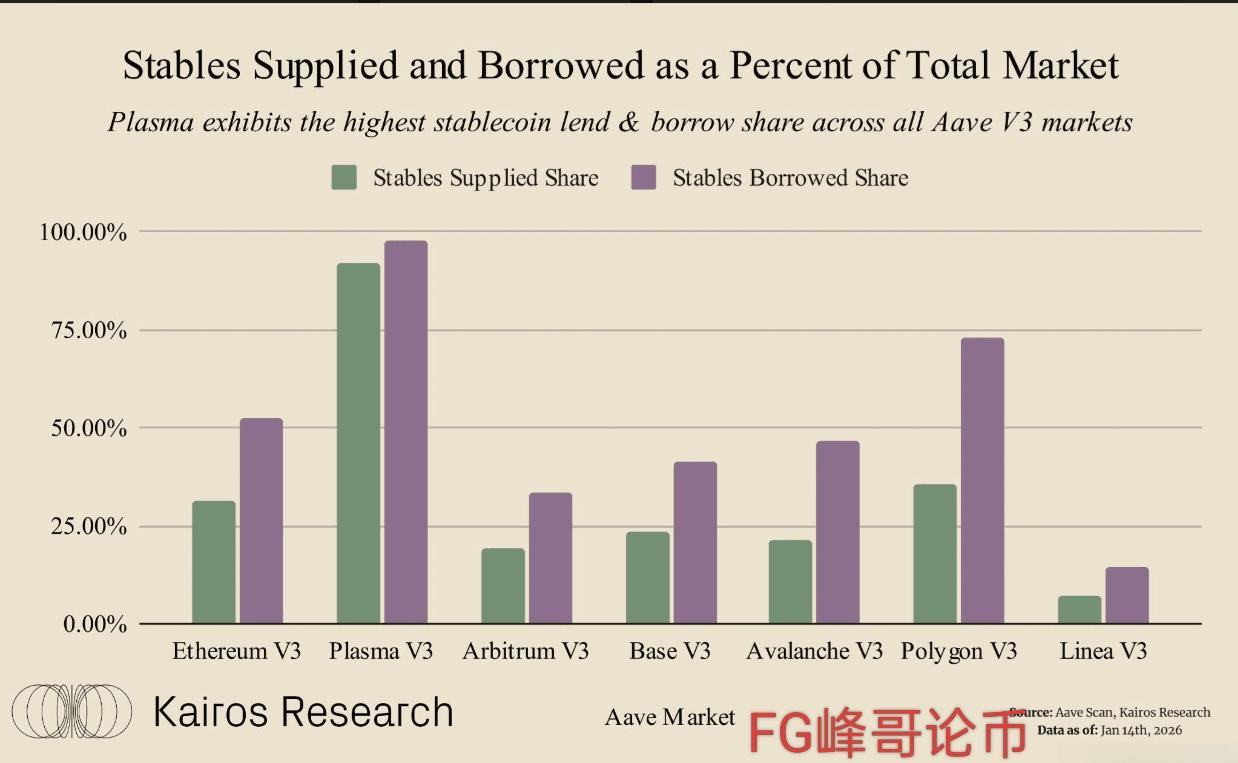
2️⃣ Design decision: When money itself is the protocol
When you see stablecoins as the main event, the architectural decisions of the entire blockchain will undergo a qualitative change: protocol-level payment system: this is Plasma's most heartfelt design.
When you want to transfer USD₮, the network no longer requires you to hold XPL. Through the protocol-level payment mechanism, your transfer can be zero-fee or directly pay a tiny fee using stablecoins. This eliminates the biggest barrier for new users — the treasure hunt for buying Gas tokens.
Deterministic settlement: Unlike the queuing chaos of general chains during peak periods, the PlasmaBFT consensus mechanism provides sub-second finality for every payment.
In commercial scenarios, the cash register does not need to wait for 12 confirmations; the moment of payment is the completion of settlement.
3️⃣ Practical perspective: Why do we need Plasma more in 2026?
With payment giants like MassPay and Oobit recently intensively integrating, we see a trend: blockchain is returning to its original mission — the efficient circulation of value. Compared to those public chains that pursue universality but face limitations everywhere, Plasma is more like an extremely focused expert.
It doesn't care how many layers of rarity your NFT has; it only cares about whether the remittance sent back home is fast enough and cheap enough.