
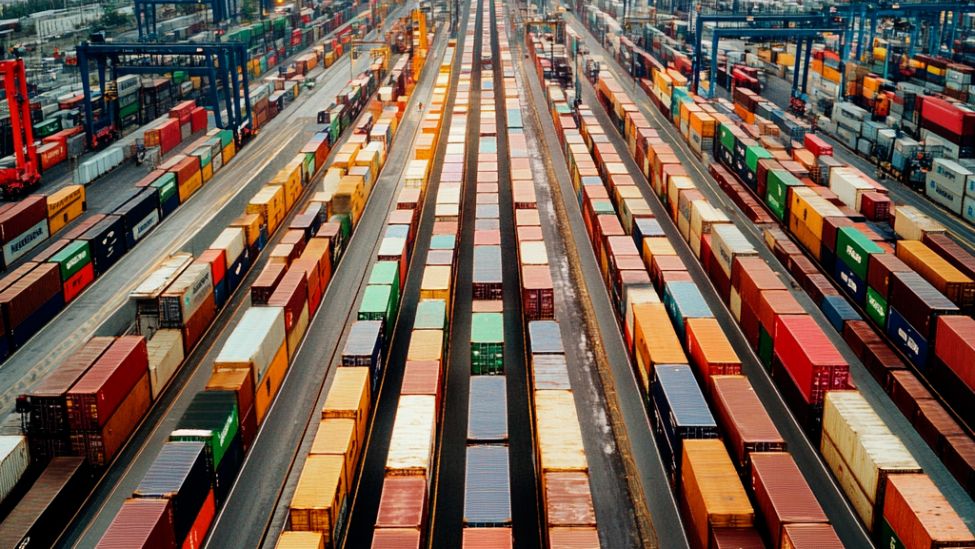
In response to U.S. President Trump's imposition of tariffs on goods from several European countries, the European Union is actively considering the use of anti-coercion instruments (ACI). Previously, the Trump administration announced on January 17 that starting February 1, it would impose a 10% tariff on U.S.-bound goods from eight European countries: Denmark, Norway, Sweden, France, Germany, the United Kingdom, the Netherlands, and Finland, with plans to increase the rate to 25% starting June 1 until an agreement is reached on the 'complete and total purchase of Greenland' by the U.S.
The European Commission has previously proposed the use of ACI to respond to trade coercion. As the most powerful weapon for the EU to counter economic or trade coercion from third countries, once ACI is activated, the EU may implement a series of punitive measures. These measures could include imposing new taxes on U.S. tech giants, restricting U.S. investments in Europe, and banning U.S. companies from participating in public procurement tenders.
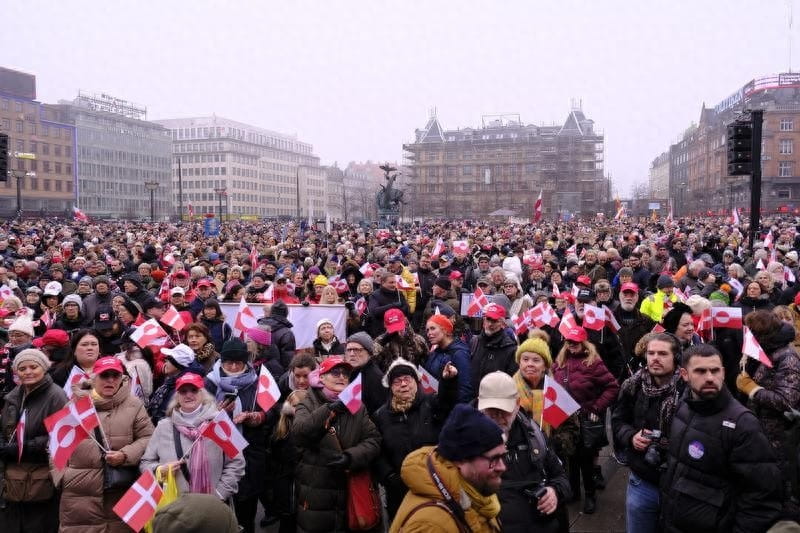
In this incident, both France and Germany expressed support for initiating the ACI, which greatly increases the likelihood of the EU advancing this mechanism. French President Macron clearly stated that if the Trump administration indeed implements tariffs, he will request the EU to activate the 'anti-coercion tool.' German Vice Chancellor and Finance Minister Scholz also pointed out that Europe is preparing to respond to Trump's 'extortion behavior' and will provide a unified and clear response.
On January 18, representatives from the 27 EU member states stationed at the EU headquarters held a meeting to discuss the feasibility of U.S. tariff measures and the activation of the anti-coercion tool. All parties plan to hold an emergency summit in Brussels on January 22, focusing on response strategies. Currently, one proposal is to restore previously suspended tariff measures against the U.S., imposing tariffs on U.S. imports worth approximately 93 billion euros. Compared to utilizing the 'anti-coercion tool,' imposing tariffs on the U.S. as the first round of countermeasures has garnered more support from member states.
The European Parliament also expressed strong dissatisfaction with Trump's actions. Bernd Lange, chairman of the European Parliament's Committee on International Trade, published an article on January 17 criticizing Trump's move as a 'new dimension' of using tariffs as a political weapon, and urged the European Commission to immediately initiate procedures related to the anti-coercion tool. Several members of the European Parliament called for trade countermeasures against the United States, namely the use of the EU's 'anti-coercion tool.'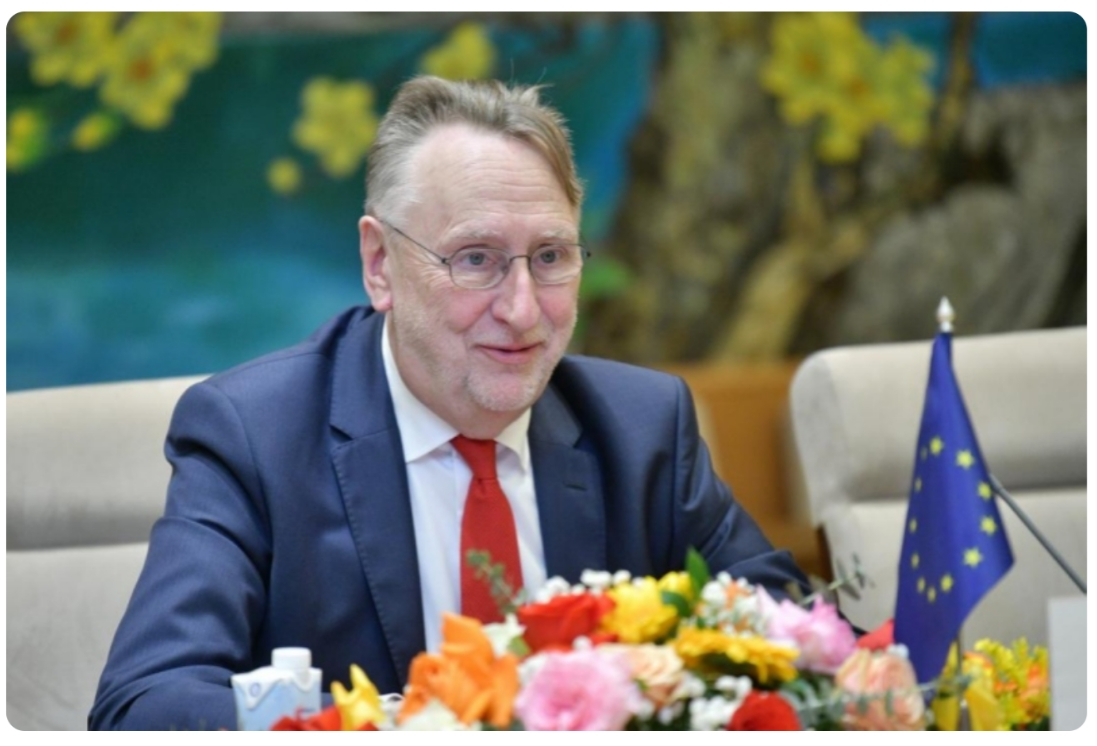
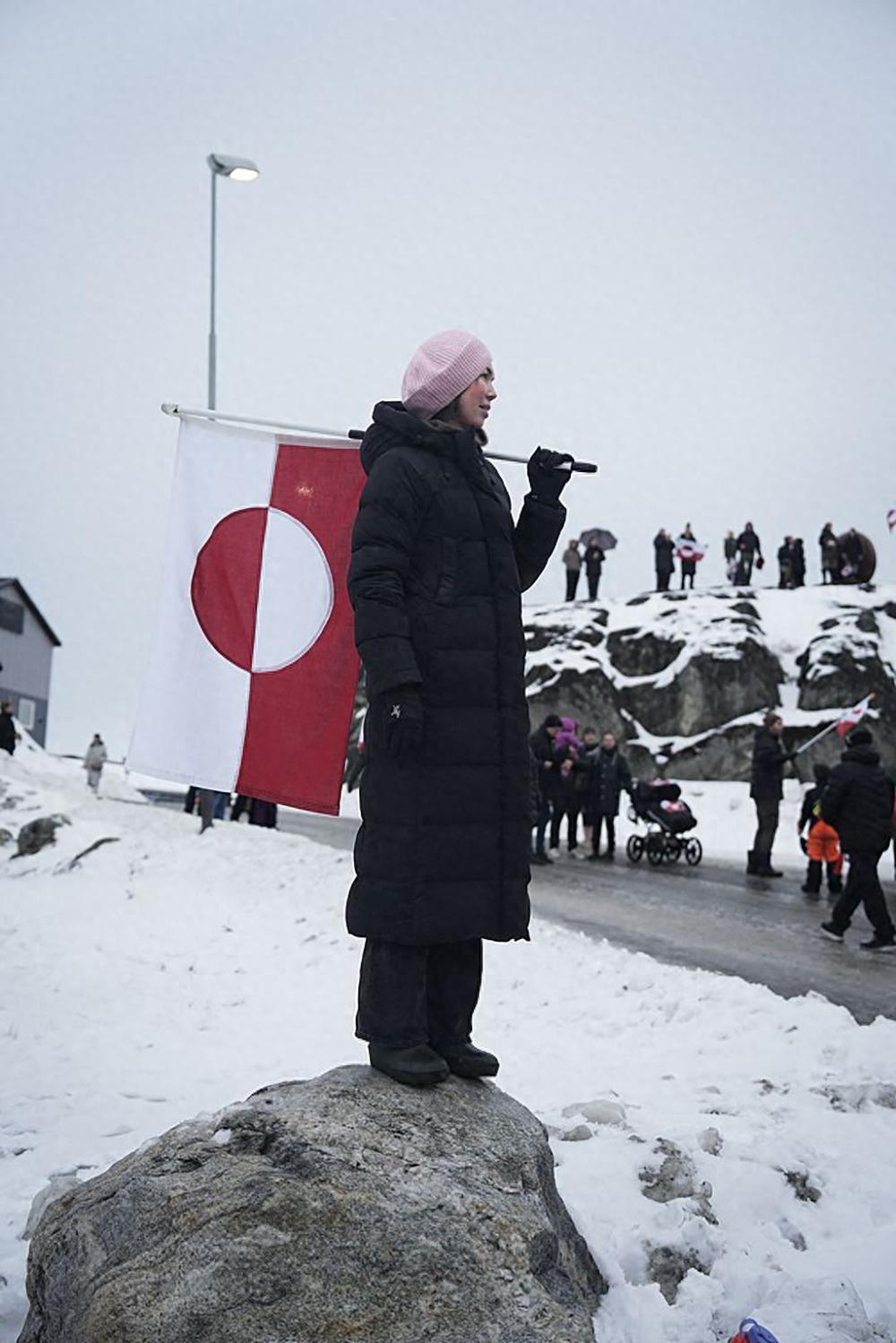
U.S. Treasury Secretary Scott Bessenet claimed on January 18 that Greenland can only receive defense when it becomes part of the United States. In response, French Minister of Economy, Finance, and Industrial, Energy, and Digital Sovereignty, Lescure, stated on January 19 that he would demonstrate in a moderate yet firm manner that Bessenet's comments are incorrect. One of the members of the ruling coalition in Greenland, the chairman of the Atassut party, also criticized Trump's actions as 'childish' and 'completely foolish.'
It is reported that Trump is scheduled to speak at the World Economic Forum in Davos, Switzerland, on January 21, where Macron and the leaders of Germany and the EU will also be present. All parties believe that this meeting may become an important opportunity for the U.S. and EU to communicate regarding Greenland and tariff issues.

