
On the day Plasma was launched, over 2 billion dollars in stablecoins were locked on-chain.
I'm not bragging, this number directly ranks it among the top ten public chains in the world for stablecoin liquidity.
In other words, while other chains are still laying the groundwork, it already has real money in action.
Behind this is the support of over 100 DeFi projects, including Aave, Ethena, Fluid, Euler, and others.
.
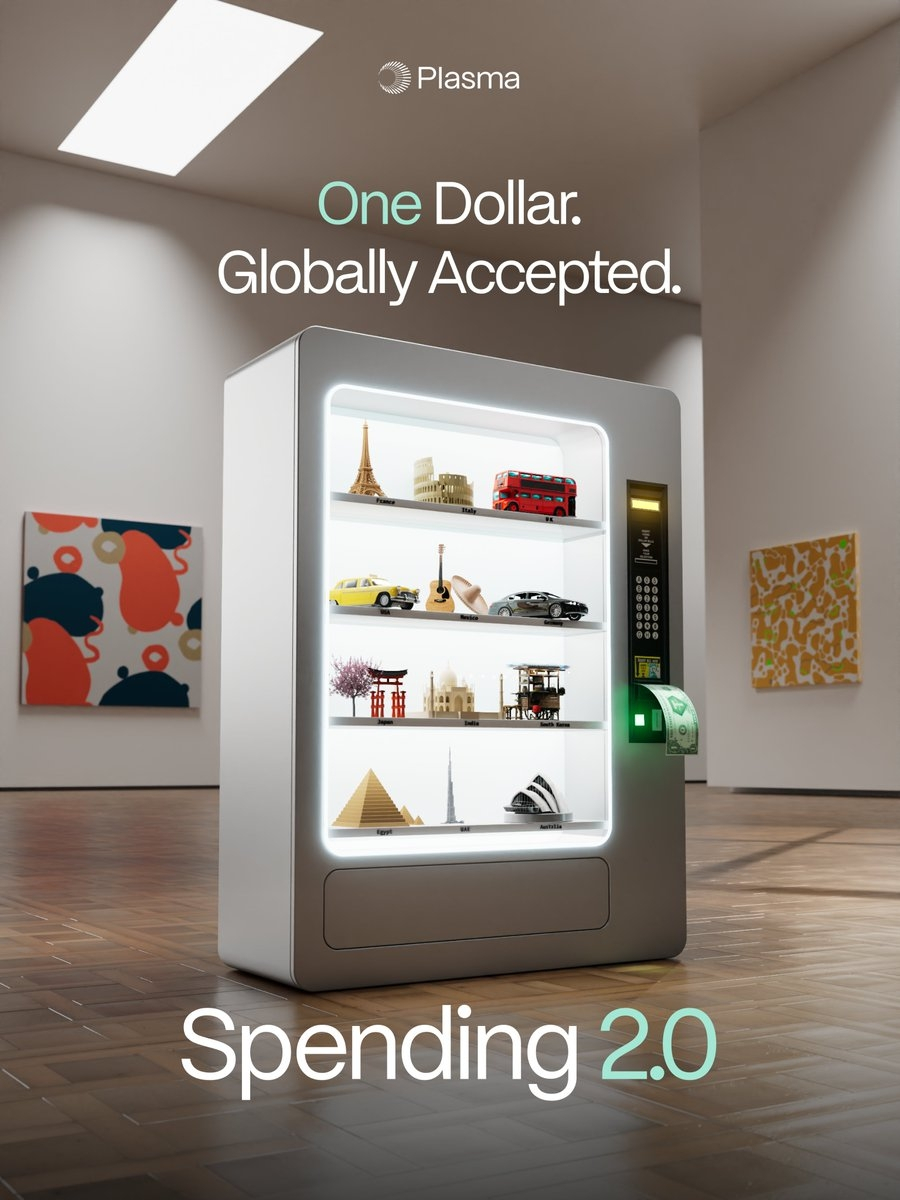
For users like me, the most direct feeling is: USDT zero-fee transfers are no longer just an ideal.
Ordinary on-chain transfers can cost several dollars or even tens of dollars, but on Plasma, this fee can be saved.
This is a hardcore advantage for daily stablecoin payments, cross-border settlements, and frequent trading.
Speaking of the XPL token, its total supply was locked at 10 billion at issuance.
After going live, it supports trading on major exchanges like Binance and OKX.
The token once surged to around $1.54 in early trading, with a market cap exceeding $2 billion.
These data indicate that the market does not only focus on hype but also seriously considers project implementation.
The technology of Plasma is not a fantasy; it adopts EVM-compatible design.
This means that Solidity smart contracts originally written on Ethereum can run unchanged.
Developers do not need to start from scratch to learn a completely new language.
The project has another way to attract developers: the Bitcoin trust bridge.
This gives stablecoins backed by BTC and even cross-asset applications bridging capabilities.
In plain terms, Plasma is not just a chain; it aims to build a financial-grade settlement layer.
Neobank products like Stablecoin One are also focused on scenarios around digital dollars.
According to the official plan, XPL is not only used for payments but can also be staked, used for security verification, and rewards.
This makes XPL both a transaction currency and a key to network security.
.
The token distribution comprises 40% for ecology, 25% for the team, 25% for investors, and 10% for public sale.
8% of ecological tokens are unlocked immediately upon launch, with the remaining released monthly over three years.
This actually avoids short-term selling pressure while leaving room for long-term ecological expansion.
Of course, market risks still exist, and the unlocking schedule and price fluctuations cannot be ignored.
But at least, based on the real financial data on the chain, Plasma is no longer just a paper project but is genuinely operational.


