
First: Satoshi Nakamoto — The trillionaire who never appeared
Holdings: 1.1 million coins$BTC | Net worth: $135 billion (January 2026)
After the 2008 financial crisis, a mysterious person named "Satoshi Nakamoto" published the Bitcoin white paper and then completely disappeared in 2011. His wallet has not moved since 2010 and is now worth over $135 billion — the 15th richest in the world. But he has never withdrawn a penny, making Bitcoin truly a "leaderless asset."
In July 2025, someone transferred $20,000 to his address, causing a stir across the internet, but the wallet remained silent. This restraint has made him an eternal totem in the crypto world.
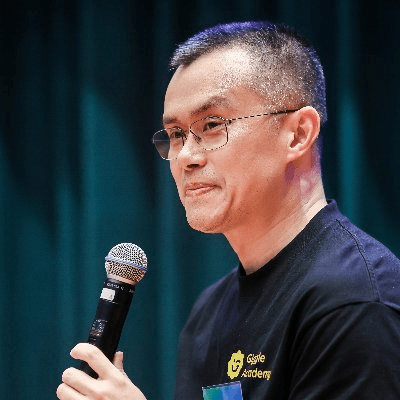
Second: CZ Zhao Changpeng — The king of the crypto world who walked out of prison
Net worth: $88 billion (Forbes estimate, CZ himself denies) | Holdings: about 90% of Binance shares
Born in Jiangsu in 1977, immigrated to Canada with his father in the 1980s, worked at McDonald's to pay for his university education. Founded Binance in 2017 and became the world's largest exchange in just 8 months.
In 2023, sentenced to 4 months in prison for anti-money laundering violations and resigned as CEO, released in September 2024. In October 2025, President Trump granted him a presidential pardon.
Data shock:
Binance's revenue in 2024:16.8 billion
Registered users:over 300 million(January 2026)
CZ holds about 90% of shares, with wealth mainly coming from BNB (accounting for 98% of his assets)
But CZ himself denied the $88 billion valuation on Twitter, saying it should be "divided by 100," implying real wealth may only be a few hundred million. Regardless of the truth, his influence is undeniable.
Golden quote: "I don’t care about money; what I care about is enabling more people to freely use financial tools."
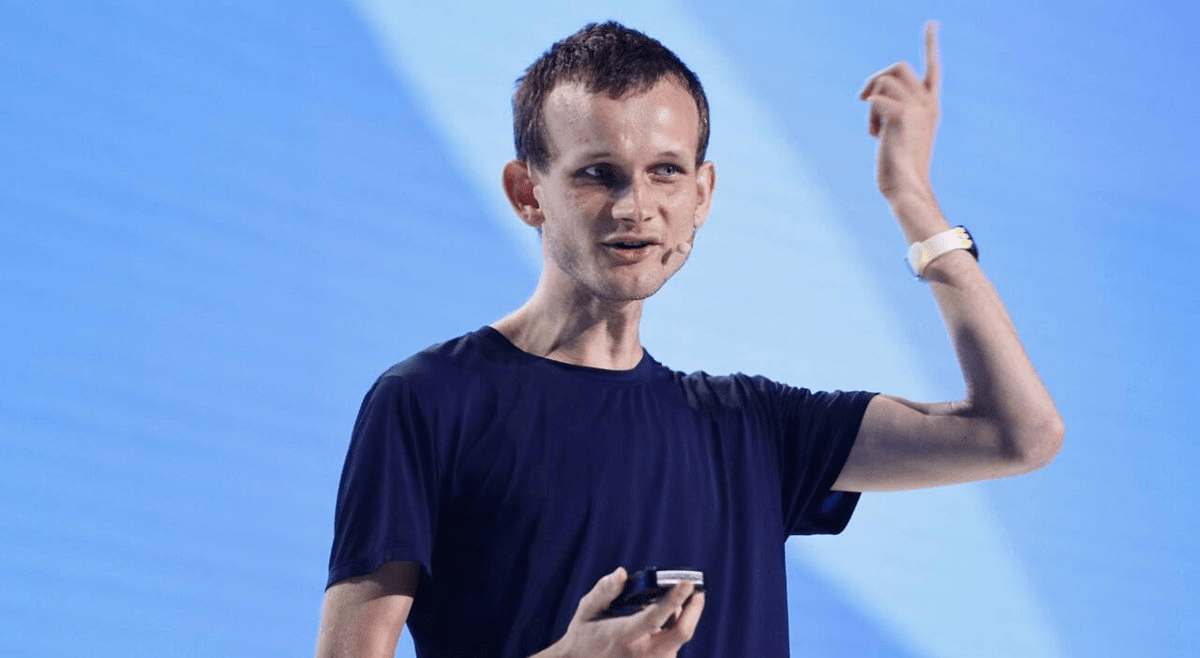
Third: Vitalik Buterin — A genius emerging from World of Warcraft
Net worth: $760 million - $1 billion (fluctuating with ETH) | Holdings: about 240,000 ETH
In 2010, 16-year-old Vitalik was obsessed with (World of Warcraft). One day, Blizzard deleted his warlock's "Life Drain" skill, and he cried all night, writing: "I finally realized how terrible disasters caused by centralized services can be."
In 2013, at 19 years old, he published the Ethereum white paper and proposed the concept of smart contracts. Ethereum launched in 2015, and by 2026, its market cap exceeded $500 billion, becoming the infrastructure for DeFi, NFT, and Web3.
Vitalik's ETH holdings dropped from a peak of 700,000 to 240,000, most of which he donated. He donated SHIB worth hundreds of millions to India's COVID relief fund and tweeted after the FTX collapse in 2022: "$1 billion? That's still much richer than I am."
Cost: If he hadn't donated, his net worth would have exceeded $3 billion by now.
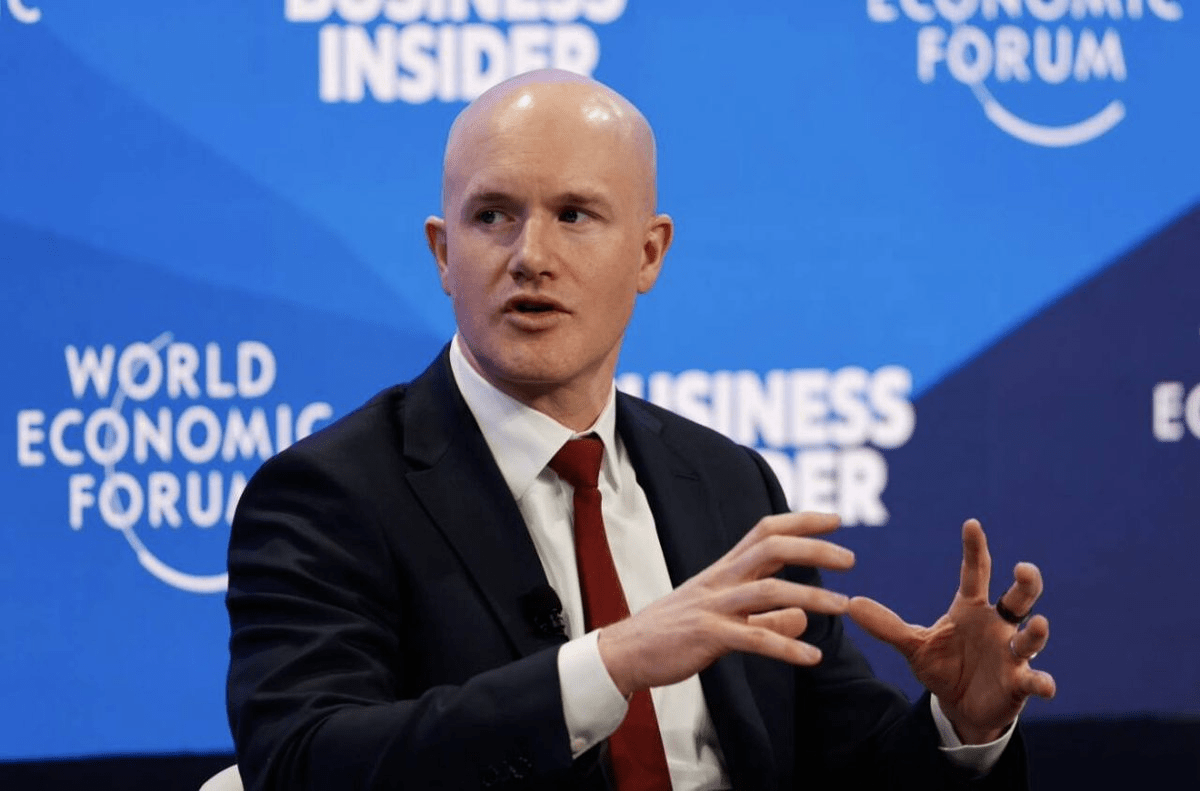
Fourth: Brian Armstrong — The man who brought cryptocurrency to NASDAQ
Net worth: $9.6 billion - $14 billion | Holdings: 14% of Coinbase shares
In 2010, while working as an engineer at Airbnb, he read the Bitcoin white paper, and the whole world changed. In 2012, he found a co-founder on Reddit and created Coinbase.
Milestone:
Directly listed on NASDAQ in April 2021, with a market cap reaching $85 billion at one point.
Entered the S&P 500 index in 2025
2024 revenue: $6.6 billion, managing assets over $500 billion, with more than 100 million users
In 2020, he blogged prohibiting employees from discussing politics at the company, resulting in 5% of employees (60 people) leaving. In 2024, he spent $40 million supporting opponents of anti-crypto congressional candidates.
Quote: "One day, some digital currency will become the world's reserve currency. I see this path."
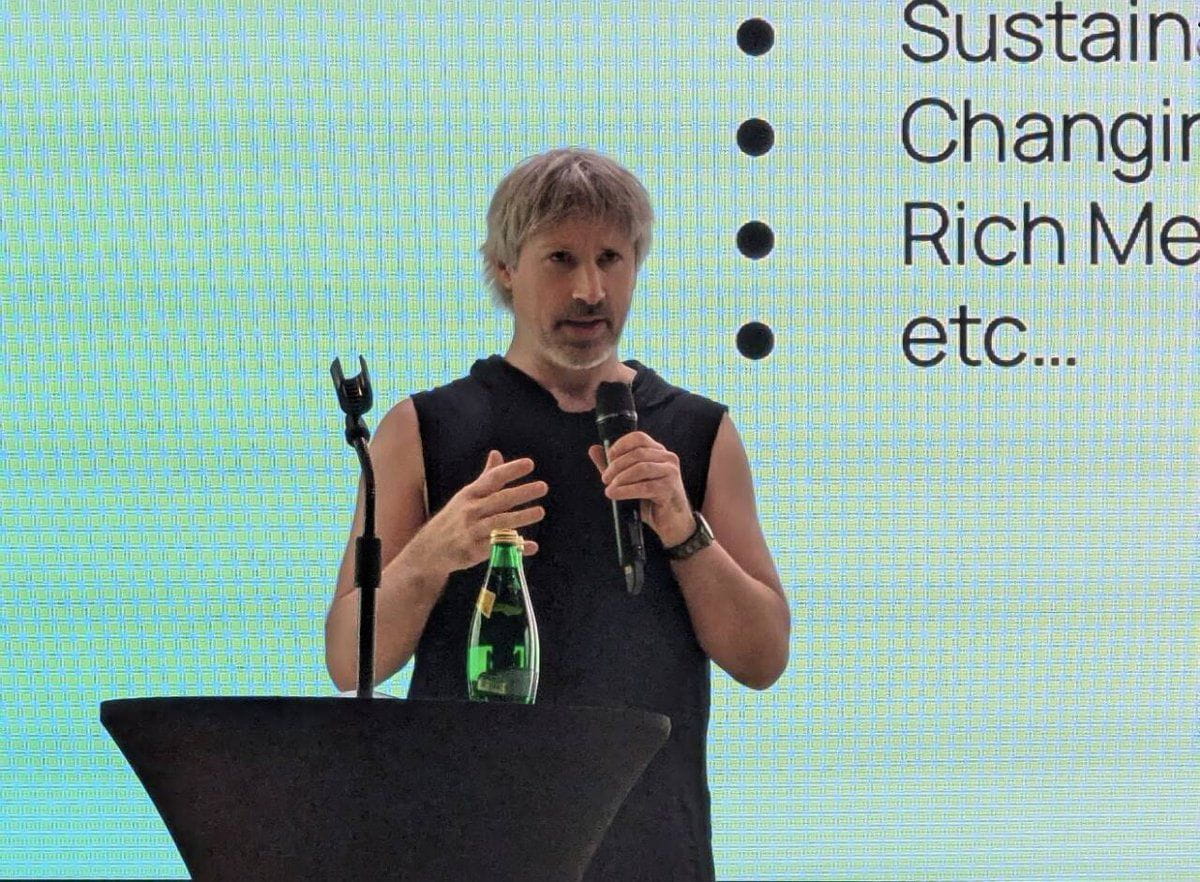
Fifth: Gavin Wood — Father of Web3
Net worth: $400 million - $500 million | Assets: DOT, KSM, shares in Parity Technologies
An invisible contributor to Ethereum. Vitalik proposed the idea of smart contracts, but it was Wood who truly turned Ethereum from concept to reality. He wrote the Ethereum Yellow Paper, developed the Solidity language, and built the Ethereum Virtual Machine (EVM).
Left Ethereum in 2016 to create Polkadot — the "blockchain of blockchains" that allows different blockchains to communicate. By 2026, Polkadot has connected over 100 chains, with a transaction throughput of 100,000 transactions per second.
Donated $5.8 million in cryptocurrency to Ukraine during the Russia-Ukraine war in 2022.
Fun fact: Wood coined the term "Web3" in 2014, originally referring to "user-sovereign internet."
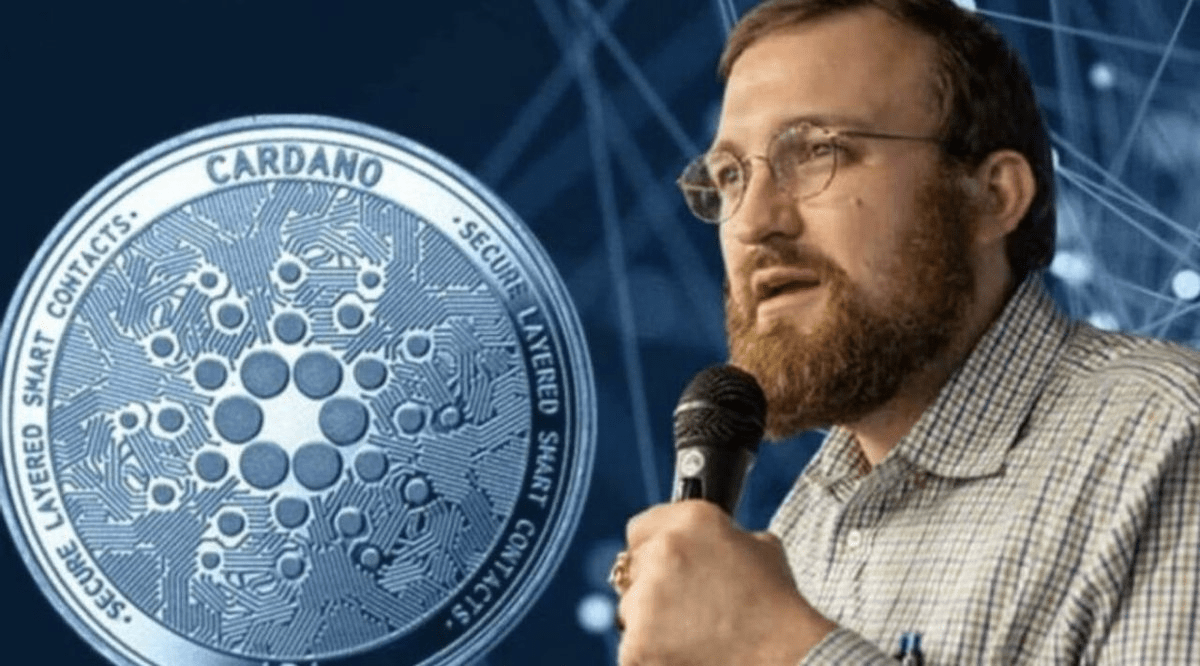
Sixth: Charles Hoskinson — Academic Pioneer
Net worth: $1 billion - $1.5 billion | Assets: 500-1 billion ADA, about 50,000 $ETH
Early co-founder of Ethereum, left in 2014 due to disagreements with Vitalik. In 2015, created Cardano — a "scientific blockchain" where every technical decision must be supported by peer-reviewed academic papers.
In 2025, launch Hydra Layer-2, with theoretical TPS reaching 1 million transactions/second. Promoting digital identity and agricultural traceability in Africa, with over 30 million active addresses and $5 billion locked in DeFi.
The most argumentative CEO on Twitter, but his power should not be underestimated.
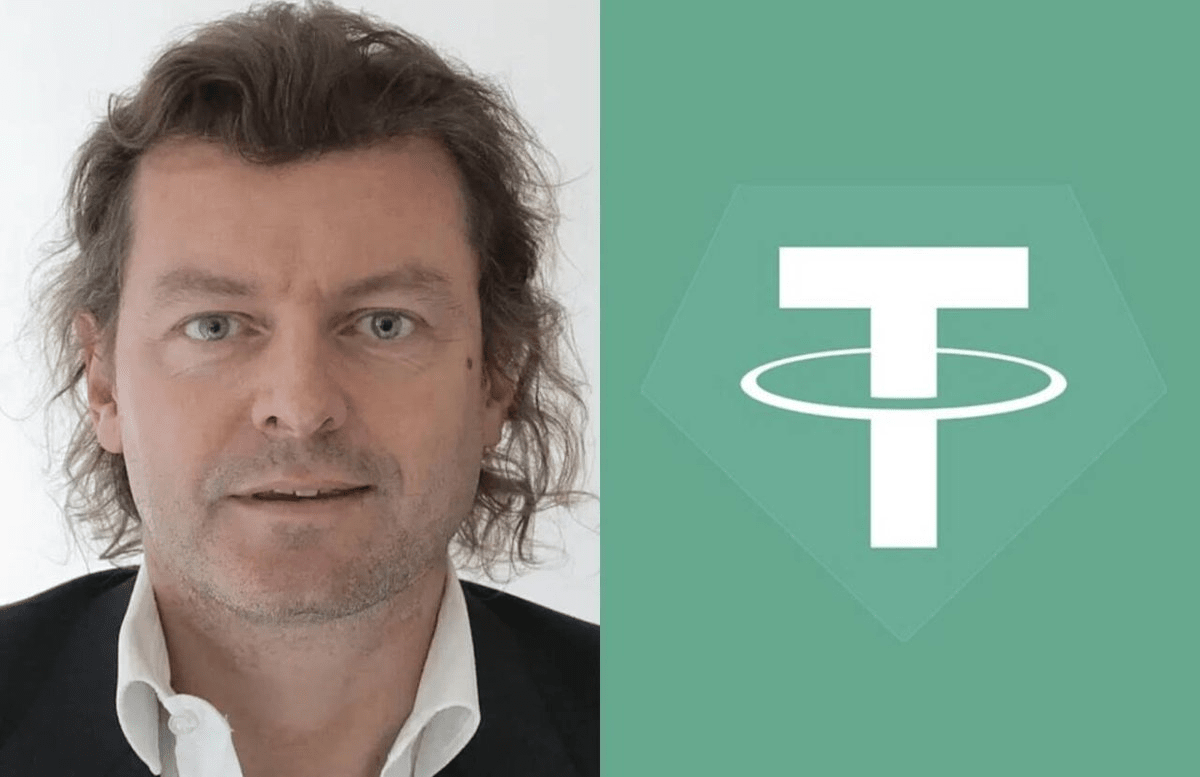
Seventh: Giancarlo Devasini — King of Stablecoins
Net worth: $22.4 billion | Holdings: 47% of Tether
The most mysterious, low-profile, yet powerful person. He is a co-founder of the USDT stablecoin, and by 2026, USDT's market cap exceeds $200 billion, accounting for over 70% of the stablecoin market, with a daily trading volume exceeding $5 trillion.
USDT is like the blood of the crypto world — without it, the entire market's liquidity would dry up instantly. But it is also the most controversial project, with ongoing doubts about the adequacy of its reserves.
Industry evaluation: "Devasini controls the faucet of the crypto world. If USDT has any issues, the entire industry will collapse."
Eighth: Chris Larsen — The bridge between banks and crypto
Net worth: $7.8 billion | Holdings: 2.6 billion XRP
Co-founded Ripple in 2012, with the goal of transforming cross-border payments using blockchain. Unlike Bitcoin's "decentralized revolution," Ripple chose to collaborate with banks.
XRP is fast (3-5 seconds confirmation) and low cost (almost zero). By 2026, Ripple's ODL system has processed trillions of dollars in cross-border transfers, collaborating with hundreds of banks worldwide.
Fought SEC lawsuits for over 3 years from 2020-2023, reinforcing compliance after partial victories. XRP's market cap exceeded $200 billion by 2026.

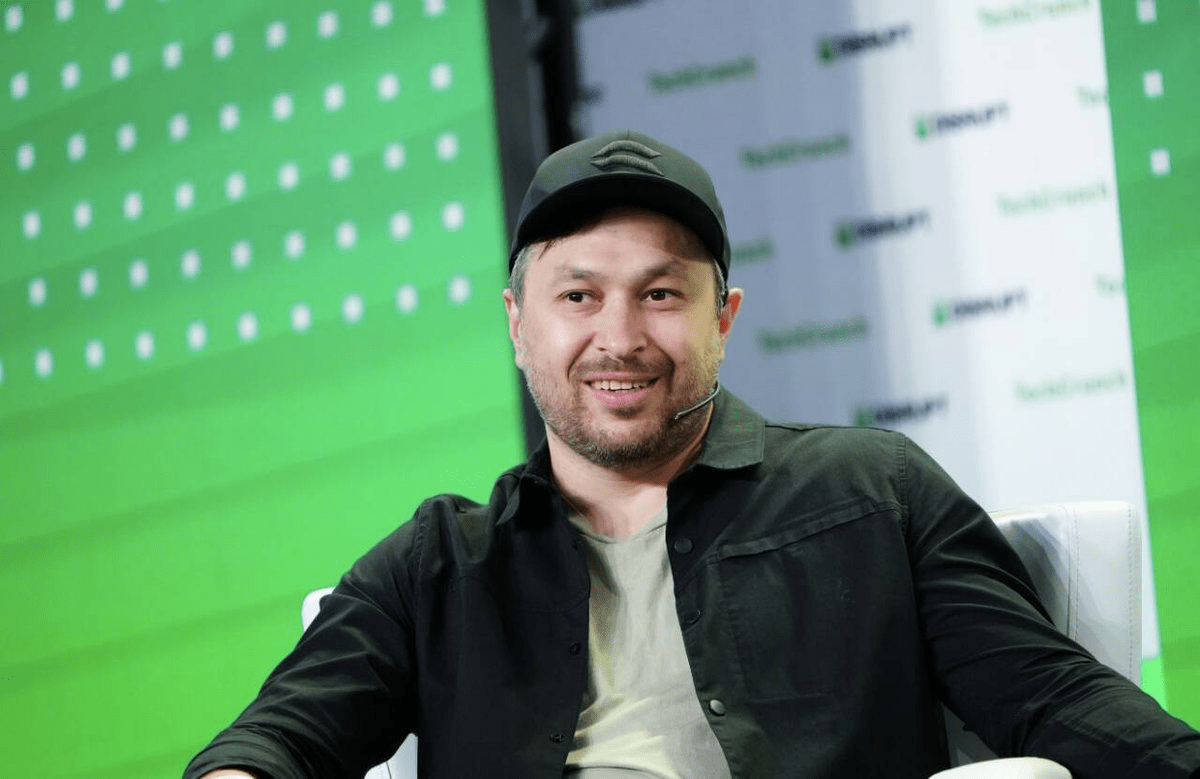
Ninth: Anatoly Yakovenko — The Speed Demon of Solana
Net worth: $500 million - $1 billion | Assets: SOL
Former distributed systems expert at Qualcomm, invented the **Proof of History** mechanism in 2017 — the core innovation of Solana.
Performance monster:
Theoretical TPS:65,000 transactions/second(Actual often reaches 2000-5000)
Transaction fee: less than $0.001
Confirmation time: 400 milliseconds
By 2026, Solana processes over 50% of global DeFi transactions, with its market cap returning to over $100 billion. Although it has faced multiple outages and doubts, its stability significantly improved in 2024-2025.
Heralded as the "Ethereum killer" creator.
Tenth: Who is most qualified?
Candidate A: Trump
After being re-elected in 2024, he promised to make the US the "global crypto capital," appointing several crypto-friendly regulators, and his family even created World Liberty Financial. But he is a policy influencer, not a technological innovator.
Candidate B: Musk
A tweet caused Dogecoin to surge 300%. Tesla holds billions in Bitcoin and has hinted at integrating crypto payments multiple times after acquiring Twitter. But he is more of a marketing master and speculative promoter.
Candidate C: Jack Dorsey
Founder of Twitter and Block, a fervent believer in Bitcoin. Block holds billions in BTC, develops Lightning Network wallets, promotes Bitcoin's adoption in Africa, and funds open-source development. A true technological contributor and ecological builder.
The combined wealth of these ten giants exceeds $300 billion, but more importantly, they represent the ideas:
Satoshi Nakamoto = Purity of anonymity and decentralization
CZ = Business and efficiency
Vitalik = Idealism and innovation
Armstrong = Compliance and mainstreaming
Wood = Academic rigor and interoperability
Others = Unique contributions
What truly changes the world is the technology, ideas, and countless participants behind them that together build a new world of decentralized finance.
Which one do you admire the most? Tell me in the comments!


