
Have you ever wondered why a "dying" coin suddenly spikes 20% before plummeting to zero? Or why traders celebrate when two moving average lines cross? In the world of trading, the charts aren’t just math—they are the "emotional footprints" of millions of people.
Today, we’re diving into the history, psychology, and technical setups you need to navigate both traditional and crypto markets. Let's get into it. 🚀
🐱 1. The "Dead Cat Bounce": When Hype Replaces Life
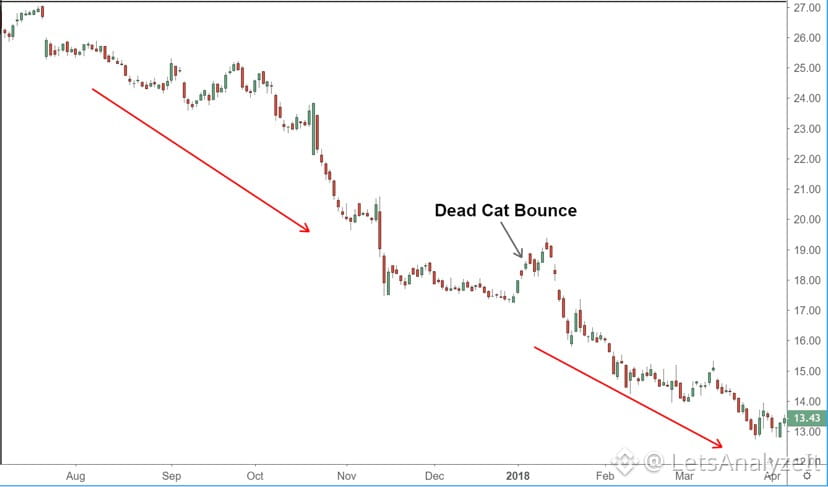
One of the most famous (and morbid) terms in finance is the Dead Cat Bounce.
The Origin: Coined in 1985 by Financial Times journalists Chris Sherwell and Wong Sulong, it describes a brief recovery after a severe decline. The logic? "Even a dead cat will bounce if it falls from a great height".
The Trap: This is a bearish continuation pattern. It’s usually triggered by short-sellers "covering" their positions or "bargain hunters" trying to catch the bottom.
Historical Warning: During the 1929 crash, the Dow Jones bounced 18% before falling to new multi-year lows. In crypto, we saw this during the 2018 Bitcoin crash and the 2022 LUNA collapse, where "death spasms" of +600% spikes lured in "sucker rally" traders.
⚔️ 2. The Battle of the Crosses: Golden vs. Death
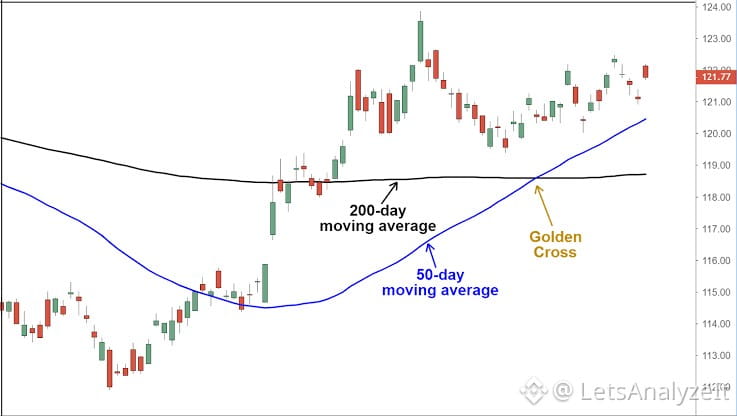
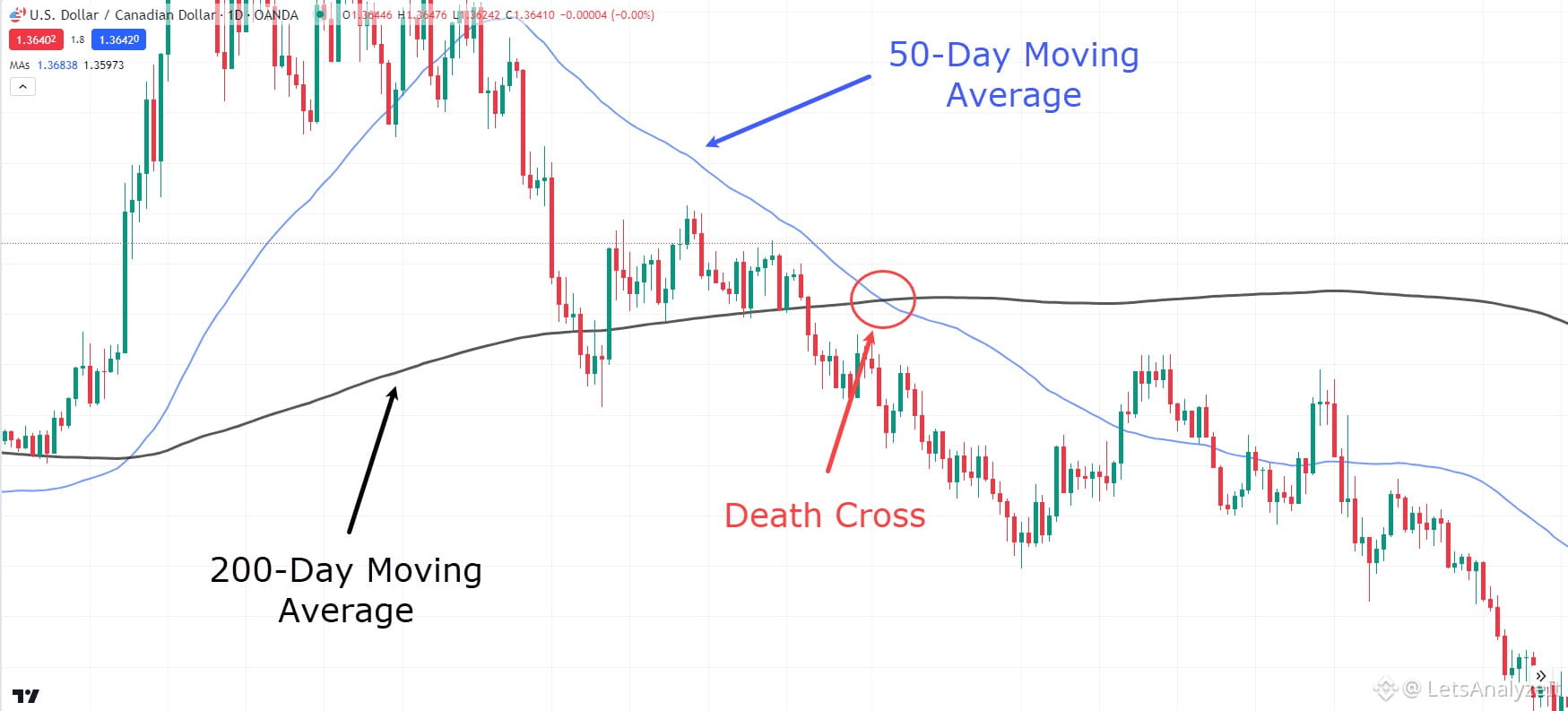
Long-term traders look for Moving Average Crossovers to filter out daily "market noise".
The Golden Cross (Bullish): This occurs when the short-term (50-day) average crosses above the long-term (200-day) average. It signals that momentum is shifting to the upside. Historically, Bitcoin’s Golden Cross in May 2020 preceded a massive multi-month rally.
The Death Cross (Bearish): The opposite happens when the 50-day average drops below the 200-day line.This has accurately signaled major Bitcoin downturns in 2014, 2018, and 2022.
📐 3. Geometric Sentiment: Patterns to Watch
Patterns repeat because human behavior repeats.
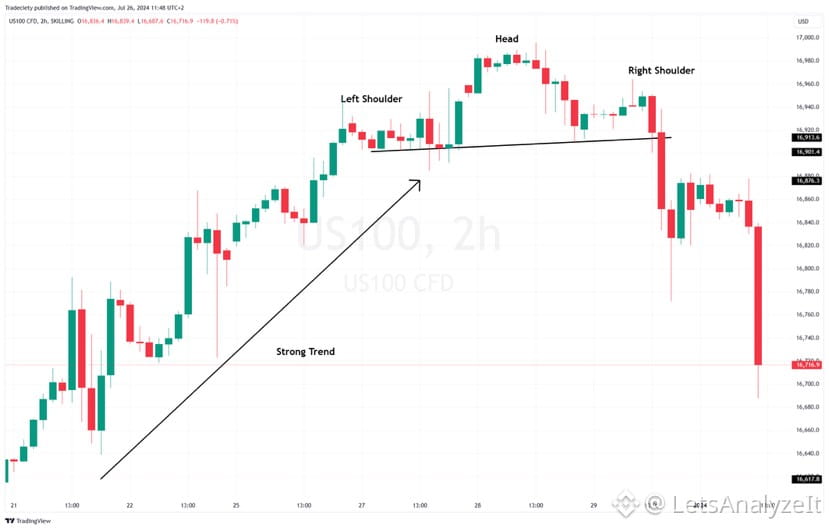
Head and Shoulders: Often called the "Mountain Range," this pattern has an 80-84% success rate in predicting reversals. It represents a shift from retail euphoria (Left Shoulder) to institutional offloading (Head) to exhausted demand (Right Shoulder).
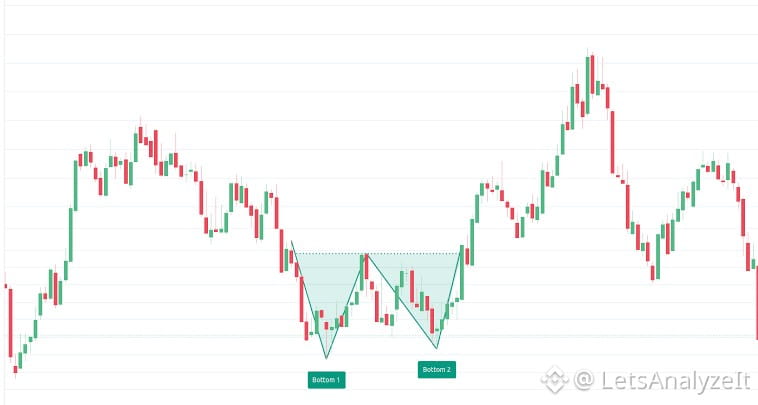
The "W" (Double Bottom): A classic reversal pattern. It shows the market defending a specific price floor twice before a strong breakout.
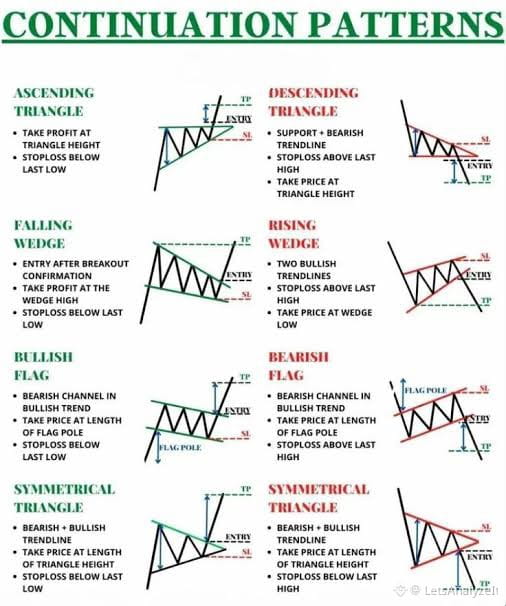
Triangles and Flags: These are "continuation" patterns. Like a coiled spring, an Ascending Triangle or a Bull Flag shows the market taking a breather before the next leg up.
🗣️ 4. The Crypto Lexicon: More Than Just Slang
Crypto has its own "socio-lexicon" that reveals a trader's emotional state.
HODL: Born from a 2013 forum typo, it now stands for "Hold On for Dear Life".
Diamond vs. Paper Hands: "Diamond Hands" are those who hold through 90% drops with conviction; "Paper Hands" sell at the first sign of red.
FOMO & FUD: FOMO (Fear of Missing Out) drives people to buy at the peak (often into Bull Traps), while FUD (Fear, Uncertainty, and Doubt) is often spread to drive prices down.
⚠️ 5. Red Flags: Rug Pulls and Manipulation
Not every chart move is "organic." In the decentralized space, stay alert for:
The Rug Pull: When developers hype a project and then vanish with the liquidity.
Case Study: The Squid Game ($SQUID) token in 2021. It skyrocketed 23,000,000% but was a "honeypot"—the code prevented anyone but the devs from selling. The price went from $2,861 to zero in seconds.
Wash Trading: Artificial volume created by bots trading with themselves to lure in unsuspecting investors.
Gas Wars: On networks like Ethereum, intense competition for block space can send transaction fees higher than the asset's value during popular NFT mints or IDOs.
🛡️ How to Trade Safely (Pro Tips)
Wait for Confirmation: Don't buy a breakout immediately. Wait for the price to retest the previous resistance as new support.
Volume is King: A price move on low volume is often a Bull Trap.
DYOR (Do Your Own Research): Never "Ape" into a project just because it’s "Mooning" on social media.
Conclusion: 📊 Technology changes, but psychology stays the same. Whether you’re trading the 1720 South Sea Bubble or a 2024 meme coin, the battle remains between fear and greed. Master the patterns, manage your risk, and stay SAFU!
Disclaimer: This is for educational purposes only and not financial advice.
#BinanceAcademy #cryptotrading #TechnicalAnalysis #HODL #STAYSAFU

