
January seventh 2026 marked the culmination of six years that most blockchain projects wouldn’t have the patience for. Dusk Foundation launched its mainnet after what must have felt like an eternity in crypto time, where projects often rush to market within months. But there’s a reason they took their time. Building infrastructure that regulators actually approve of requires understanding their language, their concerns, and their frameworks in ways most blockchain teams never bother with.
We’re seeing Dusk emerge at precisely the moment when the conversation shifted from whether blockchain belongs in traditional finance to how it gets implemented within existing regulatory structures. The Markets in Crypto Assets regulation took effect across Europe. The DLT Pilot Regime opened pathways for distributed ledger technology in securities trading. Financial institutions stopped asking if blockchain works and started asking which blockchain complies with MiFID II requirements. Dusk positioned itself to answer that second question definitively.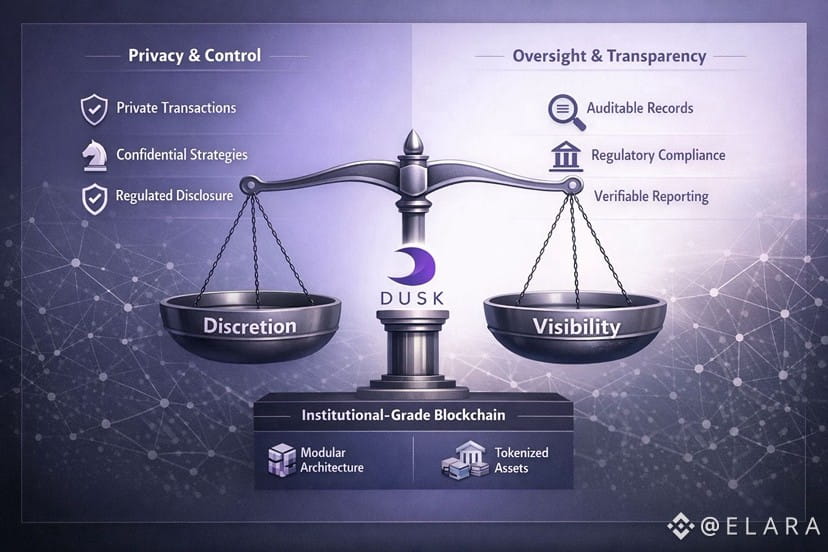
When Privacy Becomes The Feature Regulators Actually Want
The privacy conversation in blockchain usually triggers regulatory alarm bells. But Dusk recognized early that financial institutions need privacy for entirely different reasons. Corporate bond issuances can’t leak pricing information to competitors. Institutional trading strategies require confidentiality. Shareholders deserve protection from frontrunning when large positions move.
Traditional blockchain transparency creates problems for regulated finance. Every transaction visible on-chain means competitors can analyze trading patterns. Frontrunners can exploit visible pending transactions. Confidential business deals become public knowledge. These aren’t theoretical concerns. They’re deal-breakers preventing adoption.
Dusk solved this through zero-knowledge proofs enabling auditable privacy. Transactions remain confidential to participants while proving compliance to regulators without revealing details. A regulator can verify that a transaction meets requirements without seeing amounts, parties, or terms. It’s not hiding transactions from authorities. It’s protecting confidential business information while maintaining regulatory oversight. The Zedger framework implements this through account-based transaction models where participants conduct transactions knowing their strategies remain private while regulators gain audit capabilities without compromising confidentiality.
The NPEX Partnership That Changes Everything
March 2024 marked the announcement that gave Dusk something no other blockchain protocol possessed at that scale. NPEX, a fully regulated Dutch stock exchange holding Multilateral Trading Facility and European Crowdfunding Service Provider licenses from Netherlands Authority for the Financial Markets, committed to bringing its operations onto Dusk blockchain. Not a pilot program. Not an experiment. An actual migration of regulated securities trading infrastructure.
NPEX brings substantial credentials to this partnership. Since 2008, they facilitated over one hundred financings totaling more than two hundred million euros for small and medium enterprises. Their platform connects seventeen thousand five hundred active investors participating in legitimate securities markets. These aren’t crypto enthusiasts experimenting with tokens. They’re traditional investors buying regulated equities and bonds through a licensed exchange operating under European financial supervision.
The partnership aims to tokenize three hundred million euros worth of securities initially. That number represents real companies with actual shareholders trading through regulated infrastructure. They’re not creating synthetic representations of securities that exist elsewhere. NPEX will issue these securities natively on Dusk blockchain while maintaining full regulatory compliance. The distinction between tokenization and native issuance matters significantly. Tokenization creates blockchain representations of assets that exist in traditional systems. Native issuance means the blockchain becomes the actual system of record.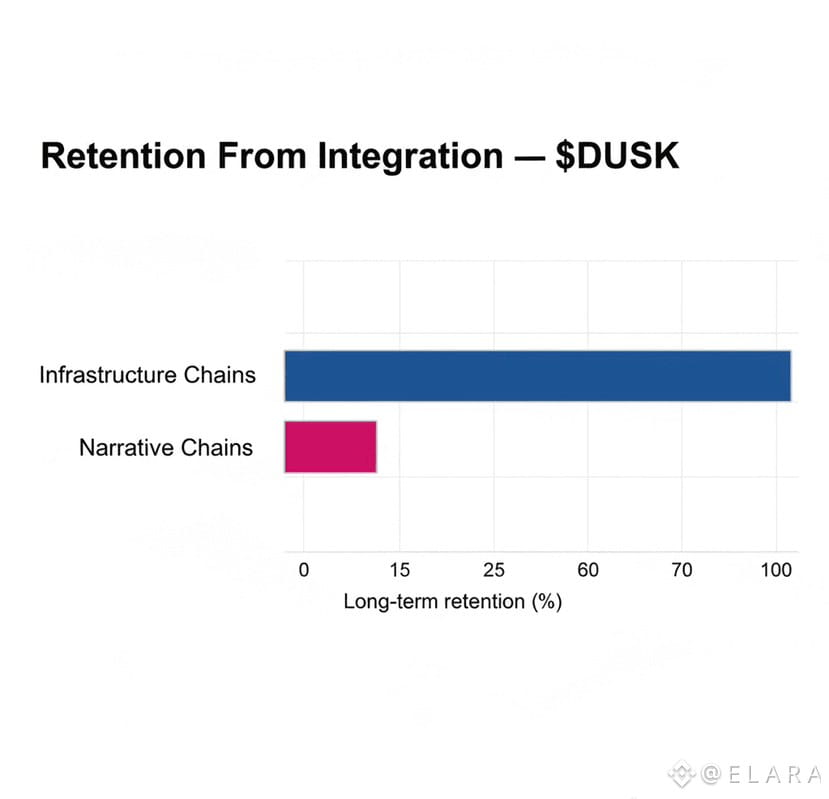
Through the NPEX partnership, Dusk gains access to the full suite of financial licenses required for operating regulated securities infrastructure. The MTF license enables operating a regulated secondary market. The Broker license allows sourcing assets and ensuring best execution. The ECSP license grants offering retail-funded instruments across the European Union. The forthcoming DLT Trading and Settlement System license will enable native issuance and settlement of regulated assets entirely on-chain. No blockchain protocol previously assembled this regulatory coverage embedded directly in their infrastructure.
The NPEX dApp launching on DuskEVM provides the user-facing interface for this regulated marketplace. Co-developed by Dusk team and financial infrastructure specialists, the application combines a regulated backend for tokenized securities with a consumer-facing interface for direct asset access. Developers building on DuskEVM gain core infrastructure for compliant DeFi without assembling regulatory components themselves. The licenses exist at protocol level, inherited by applications built on top.
Chainlink Integration Solves Cross-Chain Compliance
November 2025 brought Chainlink’s Cross-Chain Interoperability Protocol as the canonical solution for moving regulated assets between blockchain environments. This addresses an obvious problem once you think about it. Regulated securities issued on one blockchain need mechanisms for interacting with DeFi ecosystems across other chains while maintaining compliance throughout.
Chainlink CCIP enables tokenized assets issued on DuskEVM to move securely between networks. The Cross-Chain Token standard facilitates DUSK transfers between Ethereum and Solana while preserving regulatory controls. DataLink delivers official NPEX exchange data on-chain. Data Streams provides real-time market information with institutional-grade transparency. The burn-mint token model removes liquidity pool dependence, ensuring accurate transfers without slippage. Dusk and NPEX retain full ownership of token contracts with programmatic controls. The infrastructure enables new distribution models where regulated equities move between ecosystems without compromising compliance at any stage.
Hyperstaking Unlocks Programmable Staking Logic
The mainnet introduced Hyperstaking, reimagining what staking can be. Traditional staking follows rigid protocol-defined rules. Hyperstaking enables smart contracts to implement custom logic for handling stakes. Think account abstraction for staking. Smart contracts can create privacy-preserving staking pools, affiliate programs with automatic referral bonuses, liquid staking derivatives, and yield optimization strategies.
For Dusk’s institutional focus, Hyperstaking enables compliant staking products traditional validators couldn’t provide. An institution might require specific custody arrangements, regulatory reporting, or risk management features. Smart contracts implement these requirements programmatically while maintaining decentralized consensus. The flexibility bridges institutional needs with decentralized infrastructure.
The MiCA Advantage Built In From Day One
Markets in Crypto Assets regulation took effect across the European Union. Most blockchain protocols scramble for compliance after building products. Dusk built compliance into core architecture from the beginning, creating competitive advantages that become more pronounced as requirements tighten.
The partnership with Quantoz Payments brings EURQ, a MiCA-compliant Electronic Money Token, to Dusk. EURQ isn’t just a stablecoin. It’s designed for use as legal tender, suitable for regulated applications. This opens payment rails enabling high-volume retail transactions. Not just the trillion-dollar assets market but everyday payment flows. People will transact on Dusk without knowing they’re using blockchain, with infrastructure operating seamlessly behind the scenes while meeting regulatory requirements.
DuskEVM Brings Familiar Tools To Regulated Finance
DuskEVM provides EVM-compatible execution enabling developers to build using familiar tools. Solidity smart contracts work with minimal modifications. Hardhat and Foundry provide development environments. The compatibility removes barriers for Ethereum developers while providing access to Dusk’s compliance infrastructure.
DuskEVM operates as Layer Two focused on speed for DeFi applications. Three-second finality enables responsive experiences. High throughput handles significant volume. The modular approach creates ecosystem supporting diverse applications. High-frequency trading benefits from DuskEVM’s speed. Securities settlement leverages base layer privacy. Payment applications utilize EURQ integration. Each use case finds appropriate infrastructure within the stack.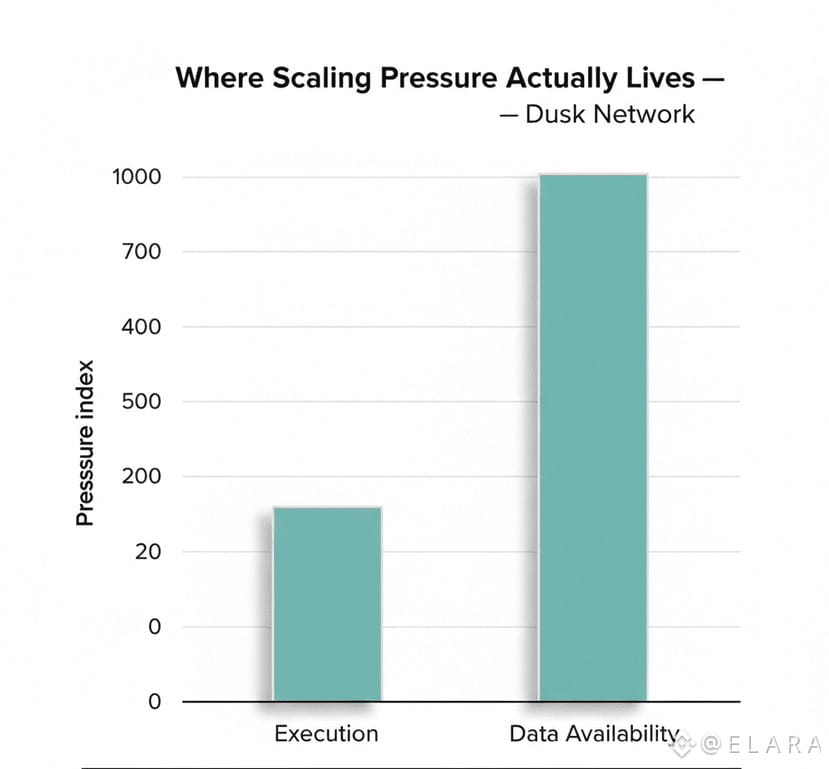
Token Economics Supporting Real Usage
DUSK token serves multiple functions. Network fees get paid in DUSK. Staking secures consensus while earning rewards. Governance enables voting on protocol upgrades. The fixed supply of five hundred million tokens creates scarcity as usage grows. Currently, circulating supply sits at four hundred eighty-seven million with remaining tokens releasing gradually.
The recent price action reflects market recognition of developments. DUSK surged over five hundred percent after breaking long-term downtrend, moving from twenty million to one hundred thirty million market cap. The January nineteenth rally saw one hundred twenty percent gains leading the privacy sector. Over eighty-four percent of addresses held positions for more than a year, demonstrating conviction.
But token mechanics matter less than the usage they capture. If NPEX successfully migrates three hundred million euros onto Dusk, trading fees create sustainable demand. If EURQ generates high-volume retail transactions, fee revenue supports operations. If DeFi attracts liquidity to DuskEVM, ecosystem activity justifies value through fundamental usage. The economics work when adoption happens.
What Six Years Actually Built
The prolonged development timeline enabled Dusk to build infrastructure most blockchain projects never attempt. They developed custom cryptography for zero-knowledge proofs optimized for financial applications. They negotiated partnerships with regulated institutions willing to stake reputations on blockchain infrastructure. They navigated European regulatory frameworks to understand exactly what compliance requires. They constructed complete stack from base layer consensus through application layer interfaces.
The eighty engineers distributed across Dubai, London, and Lisbon built production-ready infrastructure rather than minimum viable products. The multiple testnet iterations identified issues before mainnet launch. The security audits verified cryptographic implementations. The regulatory reviews confirmed compliance frameworks. The partnership agreements established distribution channels. The development process prioritized correctness over speed because regulated finance requires reliability.
The mainnet launch delivers complete functionality immediately. Hyperstaking works from day one. DuskEVM begins processing transactions. NPEX initiates securities migration. EURQ provides payment infrastructure. Chainlink enables cross-chain operations. The coordinated launch provides complete ecosystem rather than gradually assembling pieces. Applications can deploy immediately with access to full infrastructure stack. Institutions can begin operations knowing regulatory coverage exists. Users can interact with confidence that compliance extends throughout.
The Question That Determines Everything
Whether Dusk succeeds depends entirely on execution over coming years. The technology works as demonstrated through mainnet launch. The partnerships provide regulated distribution channels. The compliance frameworks satisfy regulatory requirements. Now comes delivering on the promise of bringing three hundred million euros of securities on-chain while maintaining perfect regulatory compliance. One mistake could undermine years of development and destroy institutional confidence.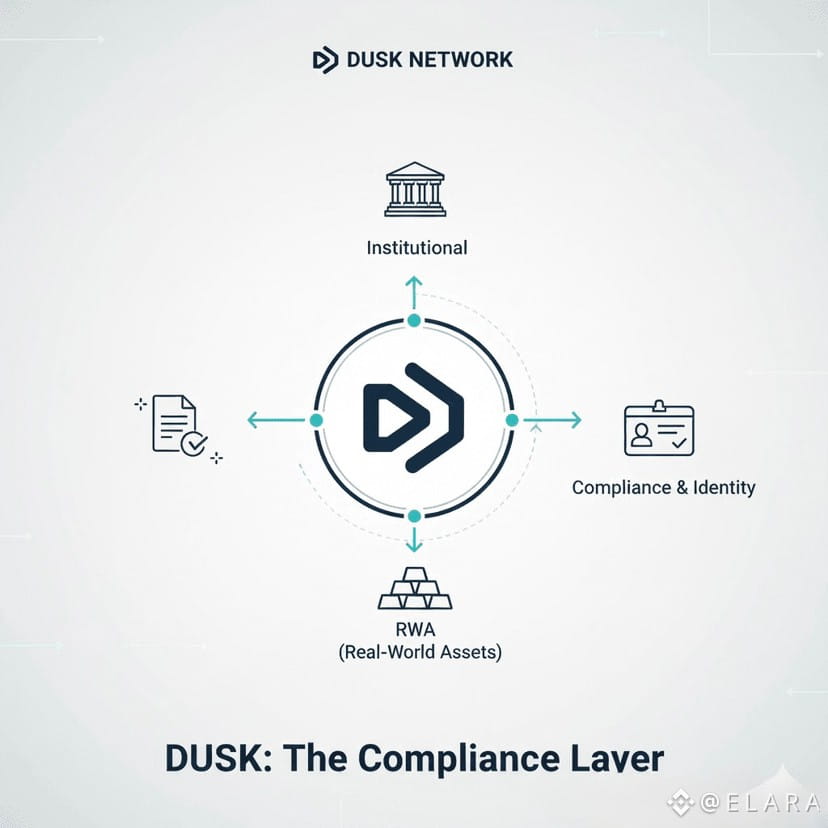
The opportunity extends beyond just NPEX’s initial securities. If Dusk proves that regulated securities can operate fully on-chain while meeting all compliance requirements, other institutions will follow. Traditional exchanges might migrate operations. Investment banks could issue securities natively on-chain. Asset managers might tokenize funds. The addressable market includes every financial instrument currently trading through traditional infrastructure. Trillions of dollars in securities could eventually migrate to blockchain if Dusk demonstrates compliant path forward.
But that future requires flawless execution on fundamental promises. The mainnet must remain secure and operational without downtime. The privacy guarantees must withstand scrutiny from regulators and security researchers. The cross-chain bridges must prevent exploits while maintaining compliance. The DuskEVM must deliver promised performance for high-frequency applications. The partnerships must actually deliver securities on-chain rather than remaining perpetual pilots. The regulatory approvals must hold under real-world operations.
The six years Dusk spent building this infrastructure either prove prescient or wasted depending on what comes next. If regulated securities successfully migrate on-chain while maintaining compliance, Dusk establishes itself as the protocol enabling traditional finance to embrace blockchain. If execution falters or regulators withdraw approval, the prolonged development becomes cautionary tale about overthinking rather than shipping. We’re watching in real-time as six years of preparation faces the test that determines whether building infrastructure regulators actually approve was visionary or misguided. The answer determines not just Dusk’s future but whether blockchain and traditional finance can actually merge through compliant infrastructure rather than replacing existing systems.
