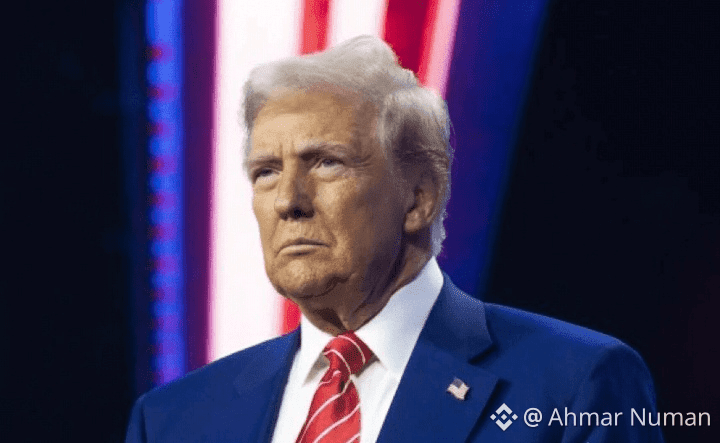
Former U.S. President Donald Trump’s warning of a potential 100% tariff on Canadian imports is not a random provocation—it is a calculated pressure tactic aimed indirectly at China. At the center of the threat lies Washington’s long-standing fear: that Canada could become a backdoor trade route for Chinese goods to quietly enter the U.S. market, bypassing American tariffs.
From Trump’s perspective, if Canada signs a special trade or supply-chain deal with Beijing, it risks turning into a “drop-off port” for Chinese exports. In that scenario, U.S. trade defenses would be severely weakened, and tariffs imposed on China would lose their effectiveness. The response, in Trump’s playbook, is maximum leverage.
Why Canada Is Extremely Vulnerable
The numbers tell a stark story. Roughly 75–76% of all Canadian exports are destined for the United States—amounting to over $450 billion annually. A 100% tariff would instantly render Canadian goods uncompetitive in their largest and most critical market.
History offers a clear warning. During the 2018–2019 trade tensions, U.S. tariffs of just 10–25% on Canadian steel and aluminum led to:
41% drop in steel exports
19% decline in aluminum exports
$16.6 billion CAD in disrupted trade
Significant job losses across key industries
That damage occurred at a fraction of the tariff level now being threatened. A full 100% tariff would be exponentially more destructive.
Key Sectors at Risk
If enacted, the fallout would hit Canada’s economic core:
Automobiles & auto parts
Energy exports
Steel and aluminum
Manufacturing supply chains
These sectors are deeply integrated with U.S. markets, leaving little room for short-term adjustment.
The China Factor
Canada’s attempt to diversify trade relations—including rebuilding economic ties with China in agriculture, EV supply chains, and battery materials—is economically rational. However, in the current geopolitical climate, it is also politically explosive. What makes sense for long-term resilience may trigger immediate retaliation from Washington.
Market Implications
This standoff places Canada squarely between two economic superpowers locked in a prolonged trade war. Any escalation could:
Trigger currency volatility
Pressure equities and commodities
Drive investors toward safe-haven assets like Bitcoin $BTC
Markets are highly sensitive to trade shocks, and this confrontation has the potential to move fast and aggressively.
Is Canada about to be crushed between the U.S.–China trade war?
If rhetoric turns into policy, the impact could be swift, severe, and global.
Follow Wendy for more real-time macro and market updates.
#Macro #TradeWar #GlobalMarkets #BTC