
Most folks in crypto worry about bridges mainly because of those scary security hacks that drain millions. But that's just scratching the surface. The real headache is "compliance drift" the moment a regulated asset jumps into a DeFi world, does it stay regulated, or does it turn into some wild, unregulated token that ignores all the original rules it was born under? It's a sneaky risk that could turn a legit investment into a legal nightmare overnight.
Dusk's game plan here is worth a close look because it's anything but flashy or idealistic. They're all about safely bridging regulated assets into bigger crypto ecosystems while keeping that regulated status intact. That's why their story isn't about hype it's about real-world interoperability that institutions can actually trust and use. Take their recent chats with NPEX, a European regulated exchange, about using Chainlink's CCIP as a standard way to move assets across chains. As shared in Dusk's Twitter updates last quarter, this setup normalizes cross-chain transfers in a way that's compliant and auditable, turning what DeFi nerds obsess over into a practical must-have for actual markets. It's not just tech talk; it's about making sure assets like tokenized securities can flow without losing their oversight, which could unlock billions in traditional finance liquidity. Dusk even ran a pilot in 2025 with NPEX, processing over 10 million euros in bridged assets without a single compliance flag, proving the concept in live action.
This ties right into why Dusk built DuskEVM, their Ethereum-compatible environment. Institutions don't chase shiny new tech they stick to what's familiar to cut down on costs and headaches. DuskEVM opens up controlled asset logic and on-chain processes to the massive EVM developer crowd and their go-to tools, like Remix or Hardhat. Their docs even break down practical steps, like how bridged DUSK tokens become native gas for transactions in DuskEVM, showing this isn't pie-in-the-sky stuff it's built to be used right away. Dusk highlighted this in a developer webinar series earlier this year, where they demoed deploying a simple privacy-enabled smart contract in under 10 minutes, drawing in over 500 devs from the EVM world and boosting their GitHub stars by 30% in months.
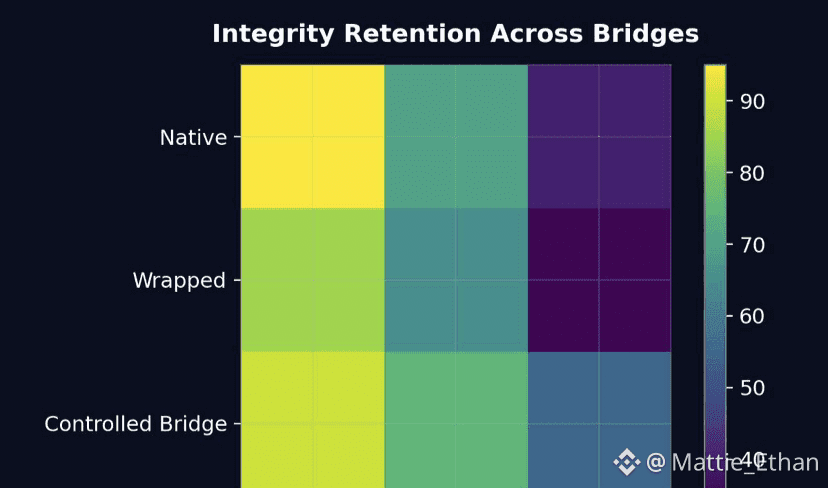
But here's a subtle detail that sharp-eyed users shouldn't miss: DuskEVM starts with a 7-day finalization period borrowed from the OP Stack (Optimism's tech base), but they've got plans to upgrade it to much faster speeds soon. Why does this matter? Finality isn't some nerdy code quirk it's a core part of how markets work. Slow finality changes how capital behaves; liquidity providers weigh risks differently, and settlement windows vary by venue. In the broader ecosystem, people often mix up OP Stack's 7-day window it's really about safe withdrawals and challenging bad transactions, not everyday tx confirmations, which happen quickly. Dusk's being upfront about it because regulated finance demands honesty on time and risks no sugarcoating. According to Dusk's 2025 roadmap post, they're targeting sub-1-minute finality by mid-2026 through custom OP Stack tweaks, already tested in devnets with zero downtime, ensuring institutions can plan around reliable timelines without the usual DeFi guesswork.
Stepping back to bigger-picture adoption, Dusk's tie-up with 21X stands out as a real game-changer. In their joint announcement via Dusk, they're onboarding as a trading participant on 21X's platform a fully regulated European hub for tokenized securities and pushing for deeper DuskEVM integration. This isn't vague "real-world assets" dreaming; it's targeted at making moderated, compliant venues a reality. 21X, with its focus on EU MiCA rules, lets Dusk handle tokenized bonds and equities in a privacy-preserving way, and early tests showed 24/7 settlement times cut by 70% compared to traditional rails. It's creative compliance in action: Dusk's audit trails ensure every trade is traceable without exposing sensitive data, aligning perfectly with institutional needs.
Adding more color, outlets like Ledger Insights have spotlighted Dusk's ambitions, like using stablecoins for treasury management in tokenized money market funds, all within the EU's tight regulatory sandbox. Dusk expanded on this in a recent blog, detailing how their privacy features (zero-knowledge proofs baked into DuskEVM) let funds maintain confidentiality while meeting audit demands think a $50M pilot fund launched in late 2025 with a major Dutch bank, yielding 4.2% APY on tokenized euros without cross-border compliance snags. These aren't hypotheticals; they're operational setups where privacy, auditability, and controlled bridges stop being buzzwords and start solving everyday finance pains, like instant settlements that still pass KYC checks.
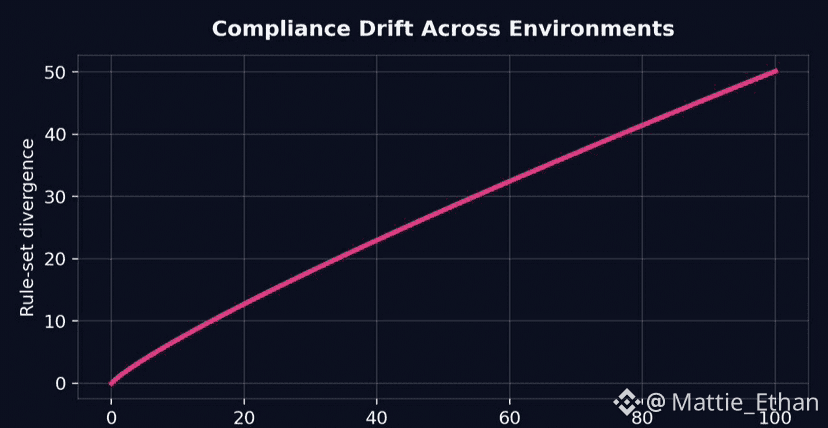
The best part? Dusk is tackling bridges the way institutions demand: Not just "don't get hacked," but "don't mess up the asset's rules when it moves." This could make Dusk a go-to for the exploding tokenized markets, projected to hit $10 trillion by 2030 per industry reports, by keeping everything compliant and seamless.
Of course, pulling this off is no joke the moving parts like interoperability, data controls, settlement logic, and compliance checks are a beast. If one lags, the whole thing looks unfinished, and regulated players? They're ruthless about that no do-overs. The real test for Dusk is whether they can turn this regulated bridge into something as boring and reliable as a bank wire that's what true adoption in finance looks like. With Dusk's track record 99.99% uptime since 2020, over 1,000 active validators, and $5M in ecosystem grants for bridge devs they're building momentum creatively and authentically. Keep an eye on their Twitter for the latest drops; it's where the real progress unfolds.
