
Stablecoins have quietly become the most widely used product in crypto. They power remittances, trading, on-chain payments, and cross-border settlements at a scale that most Layer 1 blockchains were never designed to handle. While networks compete on general-purpose throughput or speculative narratives, stablecoin usage has moved ahead on its own path, exposing a structural gap in blockchain infrastructure. Plasma enters this moment with a focused thesis: stablecoin settlement deserves its own Layer 1, optimized from the ground up for speed, cost efficiency, and neutrality.
Today’s stablecoin economy is fragmented across chains that treat dollar-backed assets as just another token. This approach creates friction for users who simply want fast, reliable transfers without worrying about gas volatility, congestion, or censorship risk. Plasma’s design reflects a different mindset. Instead of retrofitting stablecoins into an existing architecture, it makes them the core of the system.
Plasma is a Layer 1 blockchain purpose-built for stablecoin settlement. At the execution layer, it is fully EVM compatible through Reth, ensuring that existing Ethereum tooling, wallets, and smart contracts work without modification. This is an important detail. Plasma does not ask developers to learn a new programming model or abandon existing infrastructure. It preserves the familiarity of Ethereum while addressing its most pressing limitations for payments and settlement.
Consensus is handled by PlasmaBFT, a custom Byzantine Fault Tolerant mechanism designed to achieve sub-second finality. In practical terms, this means transactions settle almost instantly, a requirement for real-world payments and financial workflows. Finality is not probabilistic or delayed. Once a transaction is confirmed, it is done. For stablecoins, this reliability matters more than raw theoretical throughput.
One of Plasma’s most distinctive features is its approach to transaction fees. Gasless USDT transfers remove one of the biggest usability barriers in crypto. Users no longer need to hold a separate volatile token just to move stable value. Fees can be abstracted away or paid directly in stablecoins, aligning the network’s economics with how people actually use it. Stablecoin-first gas is not a cosmetic feature; it represents a shift toward user-centric design.
This approach is especially relevant in high-adoption markets where stablecoins are used as everyday financial tools. In regions with currency instability or limited access to traditional banking, users value predictability above all else. A network where fees are stable, settlement is instant, and transfers are simple has a clear advantage over general-purpose chains optimized for DeFi experimentation.
Security is another area where Plasma takes a differentiated stance. Rather than relying solely on internal validator economics, Plasma anchors its security to Bitcoin. By using Bitcoin as a security reference point, Plasma aims to enhance neutrality and censorship resistance. This design choice reflects an understanding of institutional requirements. Financial infrastructure must be resilient not just technically, but politically. Bitcoin’s unmatched decentralization and credibility provide a foundation that institutions recognize and trust.
Bitcoin-anchored security also signals a long-term perspective. Plasma is not positioning itself as a short-lived execution environment chasing trends. It is building settlement infrastructure intended to operate reliably across market cycles, regulatory shifts, and geopolitical pressures. For payment processors, fintech platforms, and financial institutions exploring on-chain settlement, this matters more than experimental features.
The market relevance of Plasma becomes clearer when examining real-world use cases. Stablecoins already settle trillions of dollars annually, often more efficiently than traditional rails. Yet most of this activity occurs on networks not optimized for the task. Plasma’s architecture is well suited for merchant payments, payroll distribution, remittances, and treasury management. These are not speculative use cases; they are already happening, but inefficiently.
For developers, Plasma offers a clean environment to build payment-focused applications without sacrificing composability. EVM compatibility allows integration with existing DeFi primitives, while fast finality enables user experiences closer to traditional fintech apps. This combination lowers the barrier for startups and established firms alike to move settlement logic on-chain.
Institutions stand to benefit from Plasma’s predictability. Stablecoin settlement on public blockchains often raises concerns around congestion, fee spikes, and network instability during periods of high activity. Plasma’s stablecoin-centric design reduces these risks. Sub-second finality supports high-frequency settlement, while fee abstraction simplifies accounting and reconciliation.
From an investor perspective, Plasma represents a broader trend in blockchain evolution. The market is moving away from one-size-fits-all Layer 1s toward specialized networks that do one thing extremely well. Just as rollups optimized for DeFi or gaming have gained traction, stablecoin-native infrastructure is a logical next step. The growth of regulated stablecoins and increasing institutional involvement further reinforce this direction.
What sets Plasma apart is its restraint. It does not attempt to reinvent every aspect of blockchain technology. Instead, it combines proven components, such as EVM compatibility and BFT consensus, with targeted innovations tailored to stablecoin usage. This balance reduces execution risk while delivering meaningful improvements where they matter most.
There is also a subtle but important philosophical shift in Plasma’s design. By prioritizing stablecoins, it acknowledges that crypto’s most successful product is not volatility or speculation, but reliability. Payments, settlement, and value transfer are foundational functions. Infrastructure that serves these needs well has the potential to outlast cycles driven by narrative alone.
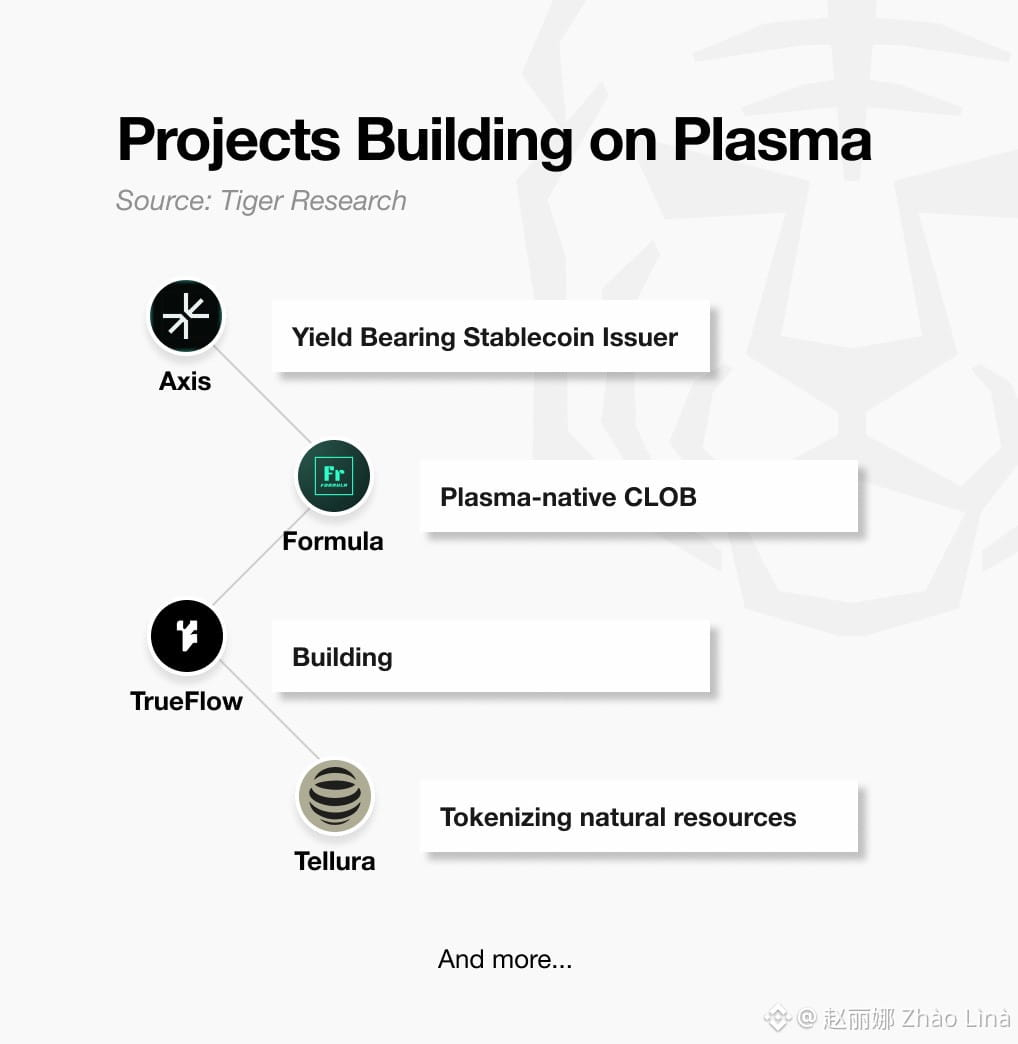
Plasma’s success will ultimately depend on adoption. Retail users must find it easier and cheaper than alternatives. Developers must see clear advantages in building on it. Institutions must trust its security and neutrality. The early signals suggest that Plasma understands these requirements and is aligning its architecture accordingly.
In a market crowded with ambitious Layer 1s, Plasma stands out by narrowing its focus rather than expanding it. Stablecoin settlement is already one of the largest use cases in crypto, yet it remains underserved by existing infrastructure. By designing a network where stablecoins are not an afterthought but the primary use case, Plasma addresses a real and growing demand.
As crypto continues its shift toward practical financial infrastructure, specialized networks like Plasma are likely to play a central role. The next phase of adoption will not be driven by abstract throughput metrics, but by systems that work reliably for real users, real businesses, and real value. Plasma is betting that stablecoins are the foundation of that futurPlasma: Rebuilding Blockchain Infrastructure Around Stablecoins
Stablecoins have quietly become the most widely used product in crypto. They power remittances, trading, on-chain payments, and cross-border settlements at a scale that most Layer 1 blockchains were never designed to handle. While networks compete on general-purpose throughput or speculative narratives, stablecoin usage has moved ahead on its own path, exposing a structural gap in blockchain infrastructure. Plasma enters this moment with a focused thesis: stablecoin settlement deserves its own Layer 1, optimized from the ground up for speed, cost efficiency, and neutrality.
Today’s stablecoin economy is fragmented across chains that treat dollar-backed assets as just another token. This approach creates friction for users who simply want fast, reliable transfers without worrying about gas volatility, congestion, or censorship risk. Plasma’s design reflects a different mindset. Instead of retrofitting stablecoins into an existing architecture, it makes them the core of the system.
Plasma is a Layer 1 blockchain purpose-built for stablecoin settlement. At the execution layer, it is fully EVM compatible through Reth, ensuring that existing Ethereum tooling, wallets, and smart contracts work without modification. This is an important detail. Plasma does not ask developers to learn a new programming model or abandon existing infrastructure. It preserves the familiarity of Ethereum while addressing its most pressing limitations for payments and settlement.

Consensus is handled by PlasmaBFT, a custom Byzantine Fault Tolerant mechanism designed to achieve sub-second finality. In practical terms, this means transactions settle almost instantly, a requirement for real-world payments and financial workflows. Finality is not probabilistic or delayed. Once a transaction is confirmed, it is done. For stablecoins, this reliability matters more than raw theoretical throughput.
One of Plasma’s most distinctive features is its approach to transaction fees. Gasless USDT transfers remove one of the biggest usability barriers in crypto. Users no longer need to hold a separate volatile token just to move stable value. Fees can be abstracted away or paid directly in stablecoins, aligning the network’s economics with how people actually use it. Stablecoin-first gas is not a cosmetic feature; it represents a shift toward user-centric design.
This approach is especially relevant in high-adoption markets where stablecoins are used as everyday financial tools. In regions with currency instability or limited access to traditional banking, users value predictability above all else. A network where fees are stable, settlement is instant, and transfers are simple has a clear advantage over general-purpose chains optimized for DeFi experimentation.
Security is another area where Plasma takes a differentiated stance. Rather than relying solely on internal validator economics, Plasma anchors its security to Bitcoin. By using Bitcoin as a security reference point, Plasma aims to enhance neutrality and censorship resistance. This design choice reflects an understanding of institutional requirements. Financial infrastructure must be resilient not just technically, but politically. Bitcoin’s unmatched decentralization and credibility provide a foundation that institutions recognize and trust.
Bitcoin-anchored security also signals a long-term perspective. Plasma is not positioning itself as a short-lived execution environment chasing trends. It is building settlement infrastructure intended to operate reliably across market cycles, regulatory shifts, and geopolitical pressures. For payment processors, fintech platforms, and financial institutions exploring on-chain settlement, this matters more than experimental features.
The market relevance of Plasma becomes clearer when examining real-world use cases. Stablecoins already settle trillions of dollars annually, often more efficiently than traditional rails. Yet most of this activity occurs on networks not optimized for the task. Plasma’s architecture is well suited for merchant payments, payroll distribution, remittances, and treasury management. These are not speculative use cases; they are already happening, but inefficiently.
For developers, Plasma offers a clean environment to build payment-focused applications without sacrificing composability. EVM compatibility allows integration with existing DeFi primitives, while fast finality enables user experiences closer to traditional fintech apps. This combination lowers the barrier for startups and established firms alike to move settlement logic on-chain.
Institutions stand to benefit from Plasma’s predictability. Stablecoin settlement on public blockchains often raises concerns around congestion, fee spikes, and network instability during periods of high activity. Plasma’s stablecoin-centric design reduces these risks. Sub-second finality supports high-frequency settlement, while fee abstraction simplifies accounting and reconciliation.
From an investor perspective, Plasma represents a broader trend in blockchain evolution. The market is moving away from one-size-fits-all Layer 1s toward specialized networks that do one thing extremely well. Just as rollups optimized for DeFi or gaming have gained traction, stablecoin-native infrastructure is a logical next step. The growth of regulated stablecoins and increasing institutional involvement further reinforce this direction.
What sets Plasma apart is its restraint. It does not attempt to reinvent every aspect of blockchain technology. Instead, it combines proven components, such as EVM compatibility and BFT consensus, with targeted innovations tailored to stablecoin usage. This balance reduces execution risk while delivering meaningful improvements where they matter most.
There is also a subtle but important philosophical shift in Plasma’s design. By prioritizing stablecoins, it acknowledges that crypto’s most successful product is not volatility or speculation, but reliability. Payments, settlement, and value transfer are foundational functions. Infrastructure that serves these needs well has the potential to outlast cycles driven by narrative alone.
Plasma’s success will ultimately depend on adoption. Retail users must find it easier and cheaper than alternatives. Developers must see clear advantages in building on it. Institutions must trust its security and neutrality. The early signals suggest that Plasma understands these requirements and is aligning its architecture accordingly.

In a market crowded with ambitious Layer 1s, Plasma stands out by narrowing its focus rather than expanding it. Stablecoin settlement is already one of the largest use cases in crypto, yet it remains underserved by existing infrastructure. By designing a network where stablecoins are not an afterthought but the primary use case, Plasma addresses a real and growing demand.
As crypto continues its shift toward practical financial infrastructure, specialized networks like Plasma are likely to play a central role. The next phase of adoption will not be driven by abstract throughput metrics, but by systems that work reliably for real users, real businesses, and real value. Plasma is betting that stablecoins are the foundation of that future, and it is building accordingly.e, and it is building accordingly.


