
Stablecoins such as USDT and USDC have moved far beyond their early crypto niche. Today, they represent hundreds of billions of dollars in circulating supply and facilitate trillions in annual transaction volume. Yet the blockchains that carry them—Ethereum, Tron, Solana, and others—were not originally designed for stablecoins as everyday money rails. Their architectures prioritize smart contracts, experimentation, and speculative activity rather than fast, low-cost, and predictable monetary transfers.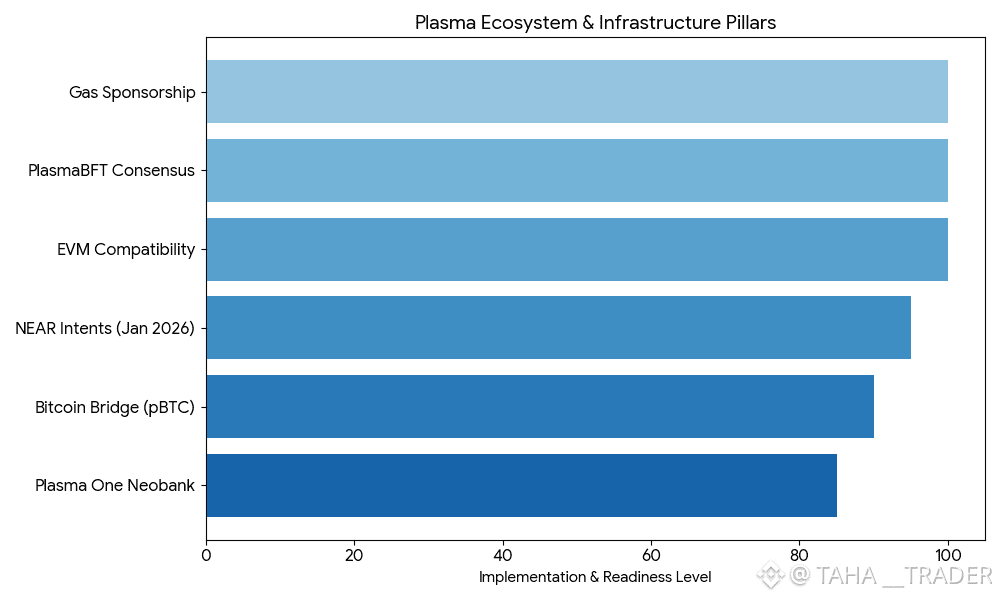
Plasma introduces a different approach. It is a Layer-1 blockchain built with a single focus: stablecoins as primary financial instruments.
A Stablecoin-First Design
Most blockchains require users to hold a native token to pay gas fees, effectively forcing them to acquire a volatile asset just to move dollar-denominated value. Plasma removes this friction.
At the protocol level, Plasma enables gas sponsorship for stablecoin transfers. As a result, sending USDT on Plasma can be free by default, making stablecoin transfers as seamless as sending a message. The goal is simple: allow stablecoins to function like cash in daily economic activity.
Why This Matters
With this design, stablecoins can support real-world use cases at scale:
Businesses can distribute payroll instantly.
Merchants can accept dollar-based payments in real time.
Cross-border remittances can move without excessive fees or exposure to volatile tokens.
Plasma is not attempting to be a general-purpose blockchain for every experiment. Its thesis is clear: stablecoins first.
Core Network Architecture
Plasma’s focus is reflected directly in its technical design:
1. PlasmaBFT Consensus
A high-performance, modified Byzantine Fault Tolerant consensus delivering sub-second finality and thousands of transactions per second. This level of speed and certainty is essential for stablecoins to behave like real money.
2. EVM Compatibility
Plasma is fully compatible with Ethereum tooling, including Solidity, MetaMask, and Hardhat. Developers can deploy applications without changing their existing workflows, lowering the barrier to building financial-grade products.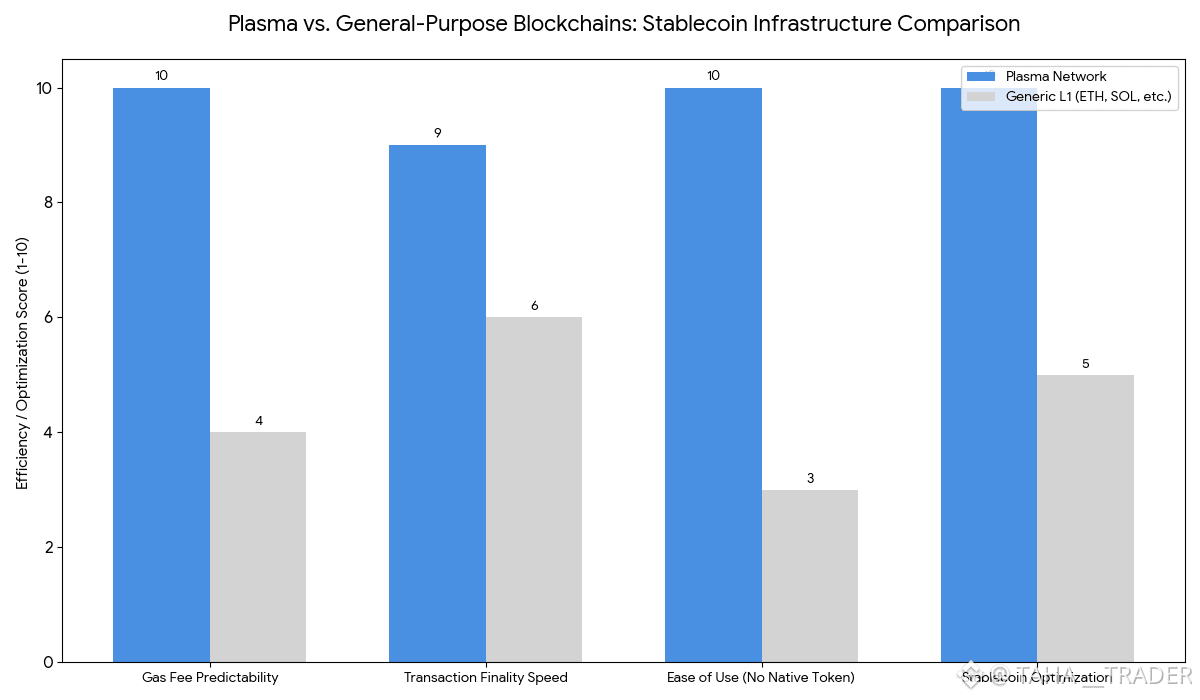
3. Gas Abstraction
Users can pay fees in stablecoins or supported Bitcoin-pegged assets. XPL is not required for basic transfers, ensuring usability without forced exposure to speculative assets.
Beyond Payments: A Growing Financial Ecosystem
While stablecoin transfers were the initial focus, Plasma’s scope has expanded into a broader financial network.
Cross-Chain Liquidity via NEAR Intents
On January 23, 2026, Plasma became the first liquidity protocol integrated with NEAR Intents. This connects Plasma to over 25 blockchains and more than 125 assets, enabling efficient routing and swapping of USDT and XPL across major ecosystems.
Liquidity is fundamental to financial networks, and this integration significantly enhances settlement capacity and capital efficiency.
Trust-Minimized Bitcoin Bridge
Plasma supports a Bitcoin bridge that allows users to deposit BTC and receive a 1:1 wrapped asset (pBTC) on Plasma. This enables Bitcoin to participate in DeFi, collateralization, and payments without relying on centralized custodians.
Confidential Payments (In Development)
Plasma is exploring privacy-preserving transactions that obscure amounts and participants while maintaining compliance and compatibility with existing wallets. This is designed for real financial workflows such as payroll, treasury management, and enterprise settlements.
Plasma One: Stablecoin Neobank
Plasma has also introduced Plasma One, a stablecoin-based neobank offering zero-fee transfers, virtual cards, and multi-country rewards. This signals a shift from infrastructure alone toward consumer and business-ready products.
The Role of XPL
XPL is not positioned as a utility token required for basic participation. Instead, it has clearly defined roles:
Network Security – Validators stake XPL to secure the network and earn rewards.
Advanced Operations – Complex smart contract execution requires XPL or other approved assets.
Governance – XPL holders participate in shaping the long-term direction of the network.
This structure ensures that users are not compelled to hold XPL simply to use stablecoins.
Plasma in 2026
Plasma continues to evolve:
Cross-chain functionality is expanding through integrations like NEAR Intents.
Consumer-facing products such as Plasma One demonstrate real-world adoption.
Advanced features including Bitcoin connectivity and confidential transactions strengthen its position as a financial rail.
Conclusion: Why Plasma’s Thesis Matters
Successful blockchain platforms have historically solved concrete problems—communication, information access, and coordination. Plasma applies the same principle to money.
Stablecoins are already the most widely used crypto assets. Plasma asks a straightforward question: if stablecoins represent digital dollars, why not build infrastructure that treats them as such?
By aligning technology, partnerships, and products around this idea, Plasma focuses on doing one thing well: enabling fast, inexpensive, and reliable money movement. In a world where global finance is being redefined, that focus is not just differentiated—it is necessary.


